
Design Services for Builders & Contractors
— Fairfield County, CT · Charlotte, NC · Nationwide
A designer who speaks construction. Not just aesthetics.
Most delays, budget overruns, and job site frustrations trace back to the same root cause — design decisions that are incomplete, unclear, or still being made while your trades are standing by.
That's not a construction problem. It's a process problem.
I bring a BS in Interior Architecture, NCIDQ certification, and more than thirty years in residential and commercial construction to every builder partnership. I understand sequencing, MEP coordination, structural constraints — and what it actually costs when a decision arrives late: the electrician who roughs in twice, the cabinet order that misses its production slot, the three idle days that turn into a callback month. You've run that math on your own jobs. My job is to make sure you never run it on one of ours.
The result: projects that move, schedules that hold, and a finished product a notch above what the drawings alone would have gotten you.
clear documentation
faster decisions
happier clients
smooth more profitable builds
clear documentation faster decisions happier clients smooth more profitable builds

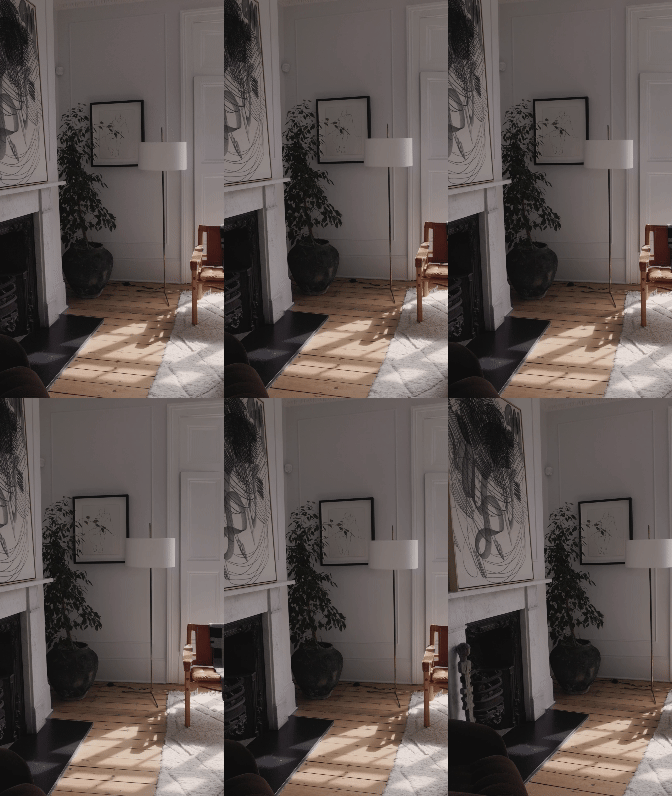
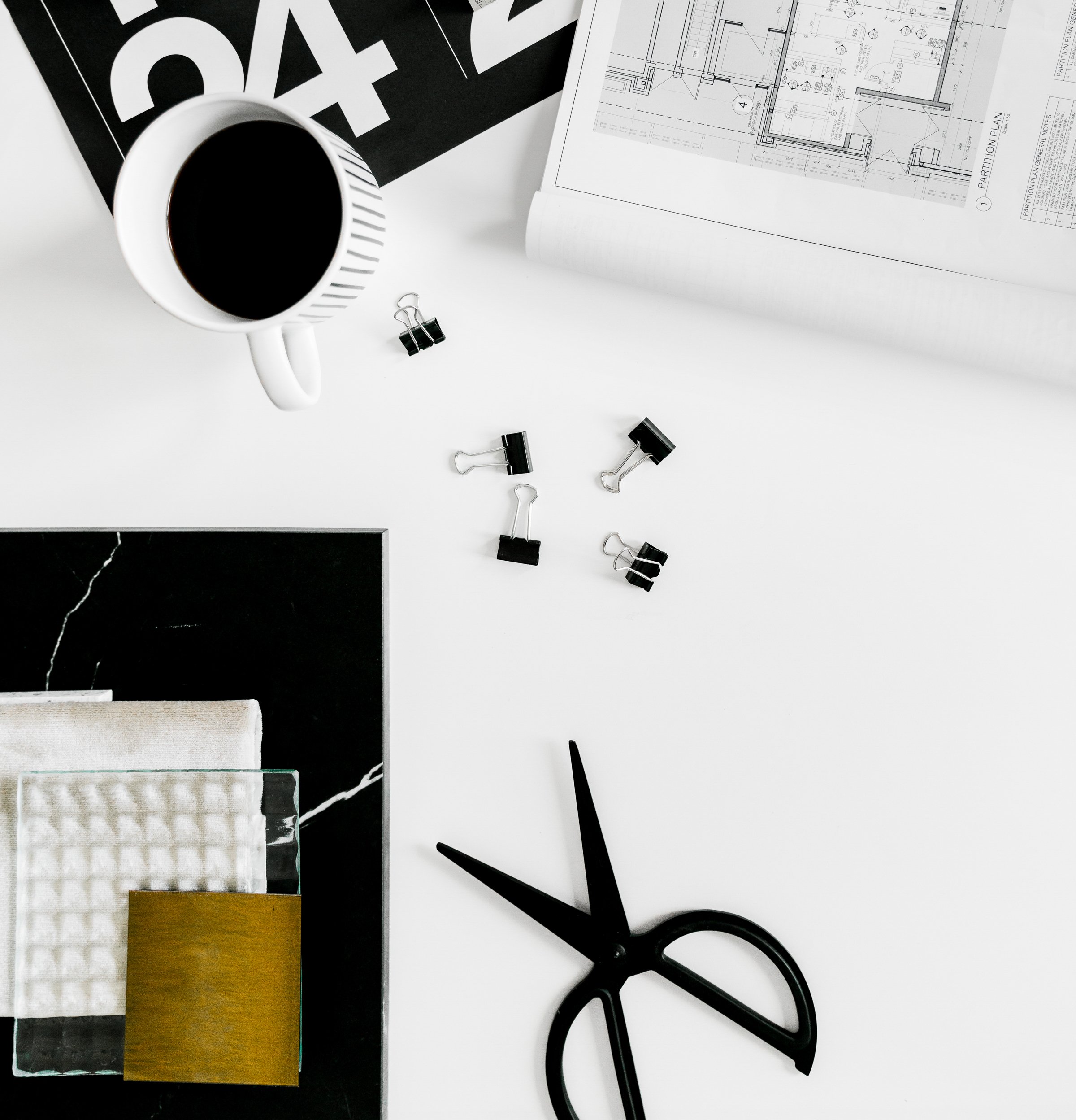
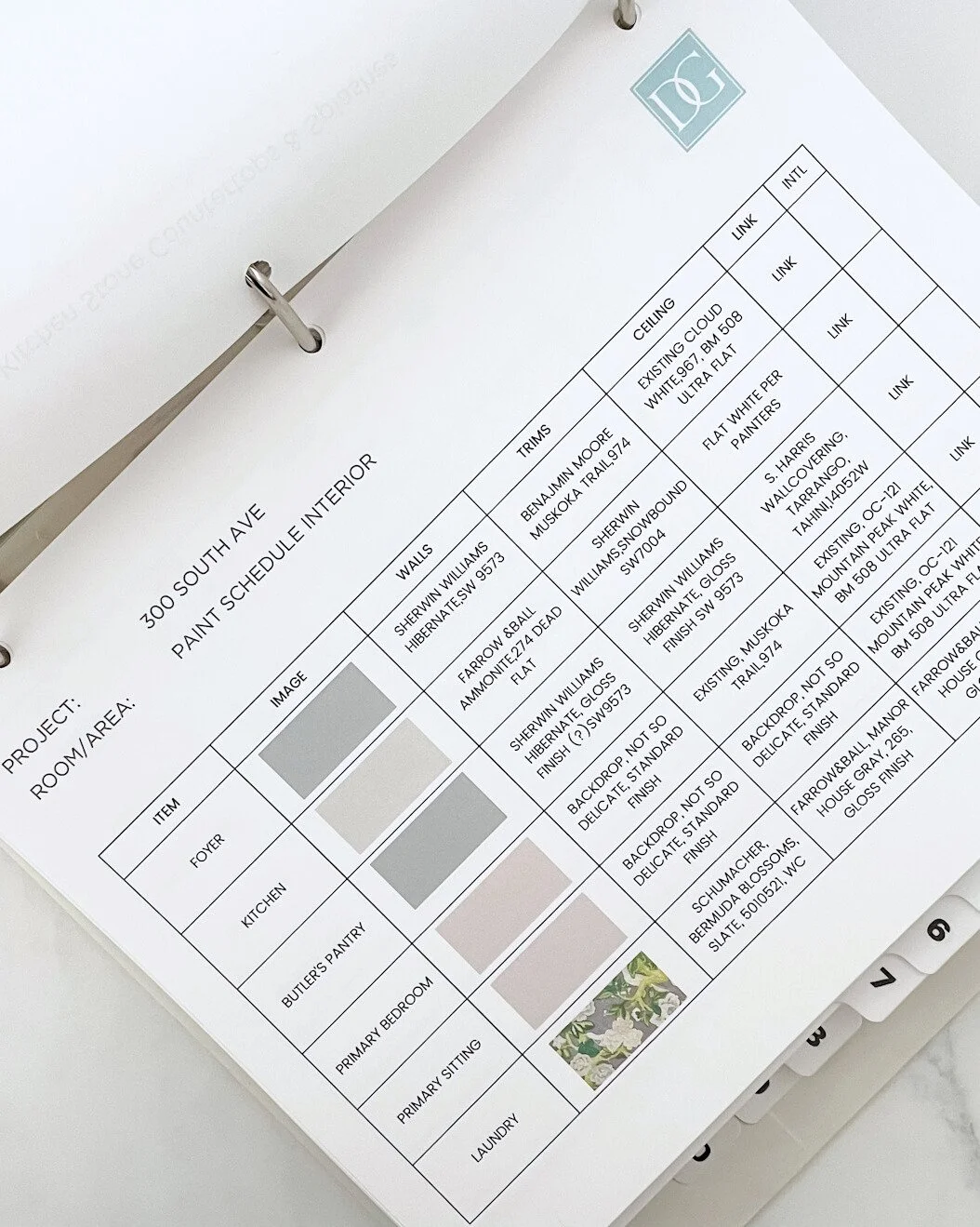
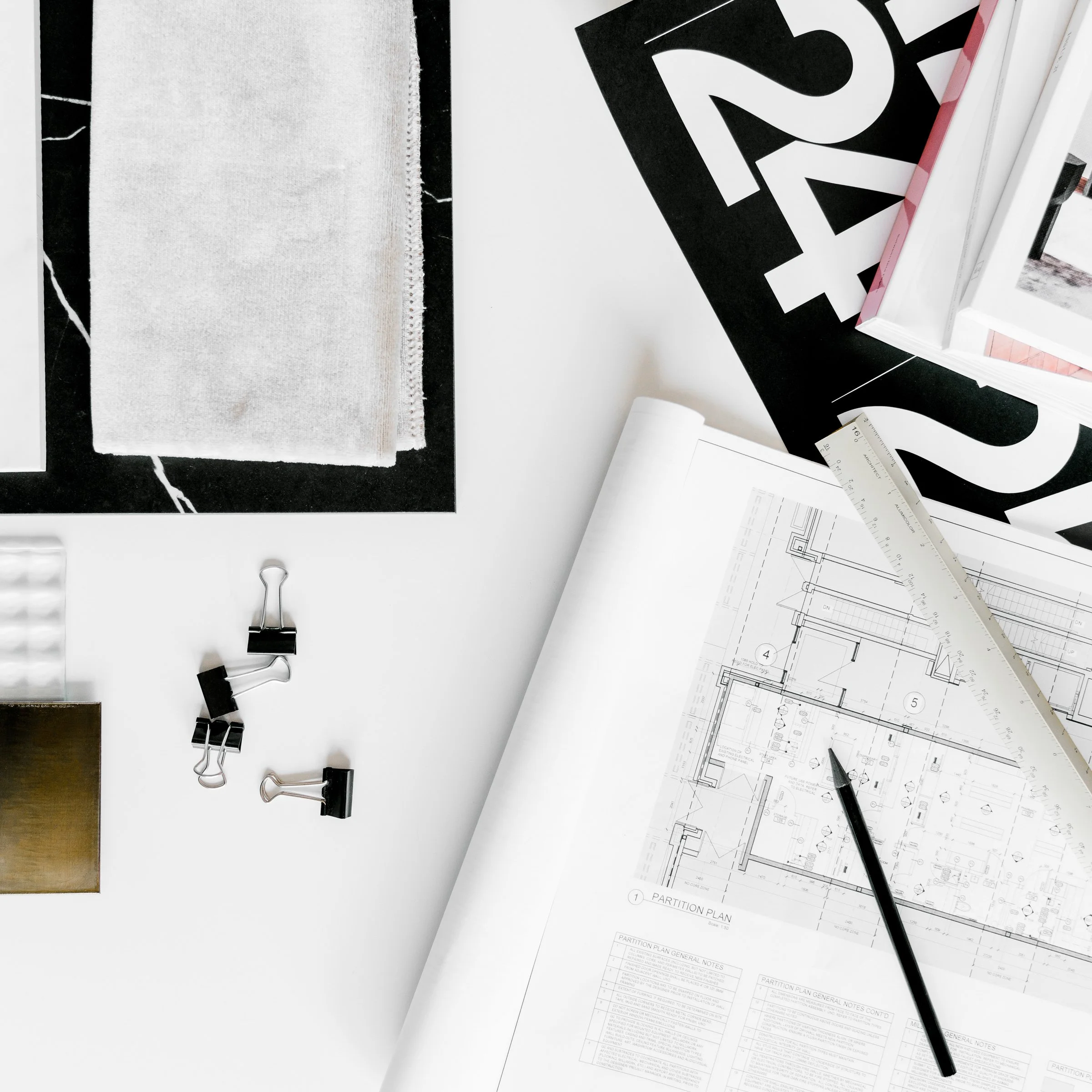
Two ways to work together
Depending on the project and your preference, I step in as either your design partner or your client's designer. Both are built around the same goal — keeping your project moving with clear documentation and decisions made early.

Model 1:
Designer Partnership. You're the client.
For builders who want a professional designer embedded in their process.
I develop the full design concept, selections, and technical documentation that supports your construction process from the ground up. You get everything needed to bid accurately, build efficiently, and deliver a higher-end finished product — without managing design decisions yourself.
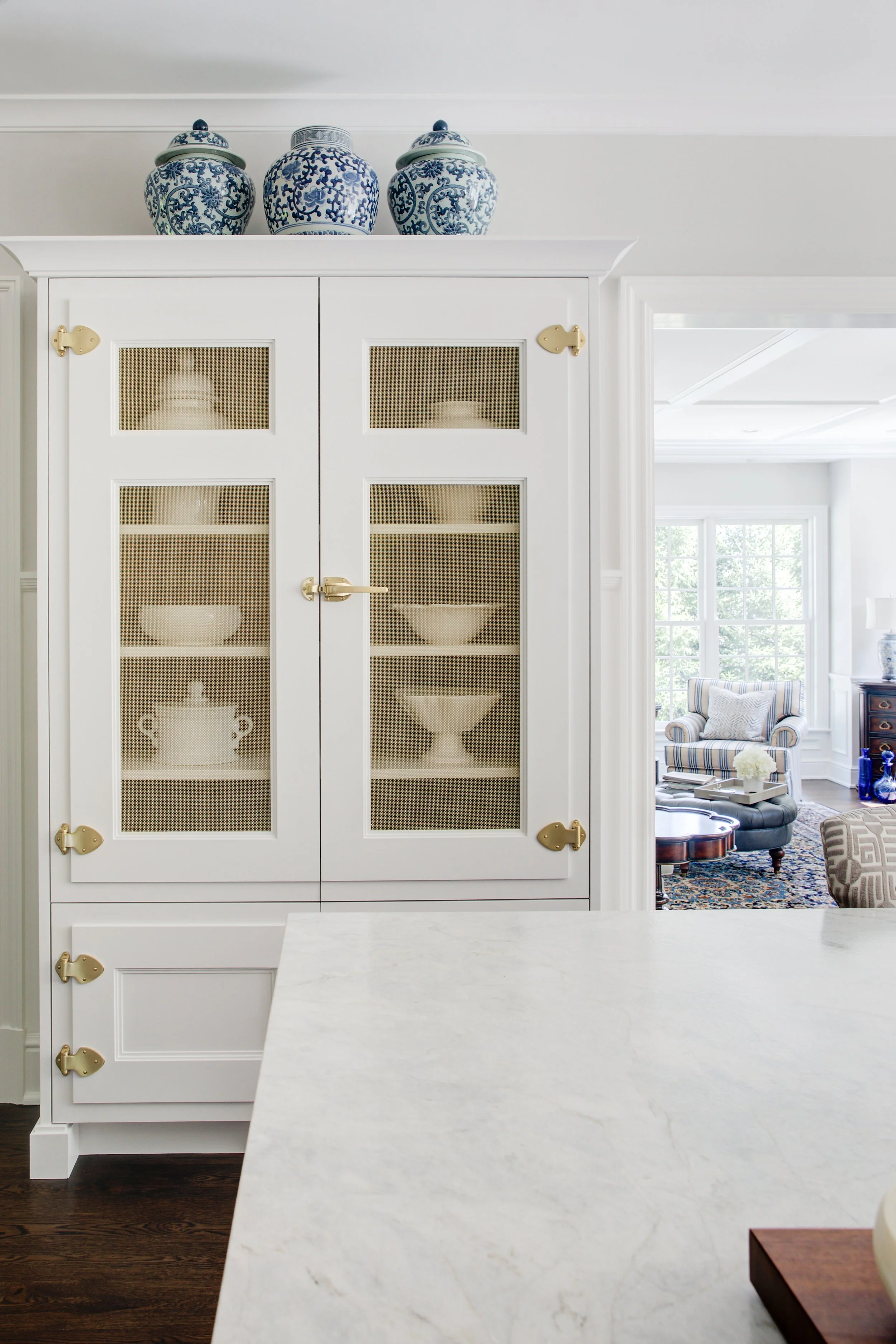
Depending on the project, that includes interior architecture and space planning, floor plans and elevations, kitchen and bath design, materials and finish specifications, lighting and electrical coordination, millwork and cabinetry details, and specification schedules your trades work from directly.
Model 2:
Client-Facing Designer (Your Homeowner Is the Client)
For builders who do exceptional construction work and want to stay focused on the build.
For builders who do exceptional construction work and want to stay focused on the build.
I work directly with your homeowner — guiding every design decision, managing the questions and the revisions, and delivering the documentation your team needs. Selections are made early, clearly, and within budget. You never chase an answer while your schedule slips.
This works especially well on custom homes where the decision volume is high, the client is involved but needs structure, and your trades need documented specs before they begin.
You stay on the build. I handle the rest.
How it plays out:
A custom-home builder on a 5,000–8,000 square foot new build. The homeowner is excited and completely underwater — finishes, fixtures, layout options, a decision a day heading for the builder's phone. The builder brings me in early instead. I guide the client through every choice, produce the drawings and specs, and finalize decisions before trades begin. The builder builds. The client feels carried. The schedule holds.





Having trouble keeping projects on track?I give clients this guide before we start, so the conversations on site are shorter.
“I would highly recommend working with DPG Design.”
—M.F & J.W.
”Dawn has great taste and sensibilities, is passionate about her projects, and is ultra-diligent in execution, from sketches and planning to working with suppliers and sub-contractors.”
Ready to Take the Next Step?
Let's talk about your next project
If you're a builder or contractor who wants a design partner who understands the realities of the job site — not just the finish selections — I'd like to hear from you.
The call is brief: your projects, your pain points, which model fits how you work. If there's a job on your board right now that needs this, bring it — that's the fastest way to see whether we work well together.
Frequently Asked Questions:
-
Custom homes, whole-house renovations, additions, and spec projects where finish level matters to the sale price. The sweet spot is decision-dense work — kitchens, baths, millwork-heavy builds — where documented selections protect your schedule most. Small commercial is also on the table; there's a separate page for it.
-
Fewer RFIs, fewer change orders, and trades that aren't standing around waiting on a selection. Your team gets documented specs before they mobilize — not a homeowner's Pinterest board and a promise. The benefit shows up in the schedule first and the punch list second: decisions made early don't get remade in drywall.
-
Both — that's the two models above. Either you're my client and I produce the design package your process needs, or your homeowner is my client and I manage their decisions so you never field them. Which model fits depends on the job and how you like to run it; some builders use both, on different projects.
-
Earlier than feels natural. The highest-value decisions — layout, lighting and electrical locations, plumbing, cabinetry, ceiling details — get locked during design development, and every one of them is cheap to change on paper and expensive to change after rough-in. Ideal: before permit drawings are final. Acceptable: before trades mobilize. Possible but costly: after that.
-
Depending on scope, documentation may include:
• floor plans
• elevations
• cabinetry and millwork details
• finish, fixture, and hardware specifications
• lighting plans or fixture schedules
• color palettes and materials boards
• spec books for job-site useThis ensures trades have clear, consistent information from day one.
-
Yes — select projects nationwide, through remote design work and traveling site visits where the job warrants them. Documentation travels perfectly; the site-visit cadence gets scoped per project.
-
That's half the job. Indecision is almost never about taste — it's about volume and sequence: three hundred decisions arriving in no particular order. I give the client structure — decisions batched, sequenced to your construction schedule, presented as curated recommendations instead of open-ended options. Overwhelmed clients don't need more choices. They need fewer, better ones, in the right order. You'll notice the difference in your inbox first.
-
Good — keep them. I came up in commercial architecture firms, so working inside an existing team is the native mode, not a compromise. I coordinate with your architect and shops, keep the drawings talking to each other, and stay in my lane on stamped work. Strong existing relationships make the job better, not harder.
-
Yes, where the project calls for it — procurement, tracking, receiving, and installation coordination are available depending on the engagement and location. On builder partnerships, we sort out early who's buying what, so nothing falls in the gap between your accounts and mine.
-
A builder call — brief, specific: your projects, your pain points, which model fits how you run jobs. Best case, you bring a live project that's feeling the decision crunch right now, and we talk about that instead of talking in general. Fastest way to know if this works.