7 Interior Design Considerations When Buying a Home
Buying a home is both an exciting and nerve-racking experience. It is usually one of the largest investments people make regardless of whether it is a primary residence or a vacation home.
There are of course the real estate rules of thumb when purchasing a home. But, often people don’t spend the time focusing on the important design elements and potential in a home. Now honestly almost every home has a potential-the question is, at what cost and effort?
I am always perplexed that prior to purchasing a home, home buyers do not bring a professional designer or architect with them. But now you will be armed with some important considerations that relate to the interior design of a home.
Having an inspection prior to purchase is a non-starter. But, there are things that a designer can point out that the inspector isn’t looking at.
Let’s give you some design food for thought when looking at purchasing a home.
Location of Home and Evaluation of the Property
Location, Location, Location…
Ok...I know this real estate adage has been repeated over and over again and for good reason.
You must first narrow down your community or town. So much of this will be decided by commute times, schools, town facilities, the personality of the town and of course, budget.
Then within almost every town, there are “micro-neighborhoods” For example, within my town, we have an area near the beach, one in town, one that had acreage minimums. All of these neighborhoods were within one town but all had a distinctively different lifestyle and personality.
This may not sound like design criteria, but it is. Design occurs in a context, so a smaller beach bungalow will be designed differently than an estate property. Also, understanding resale may affect the improvements and investment you may want to put into your new home.
Once you have narrowed down the specific neighborhoods or streets, Then you can begin looking in earnest.
Location on a micro-scale can look like a house on a corner lot or a house across the street from a school or on a busy road.
All are things to take into consideration as these things will not change you will have no ability to control them and they potentially affect the value of the home.
Architectural Style of the Home
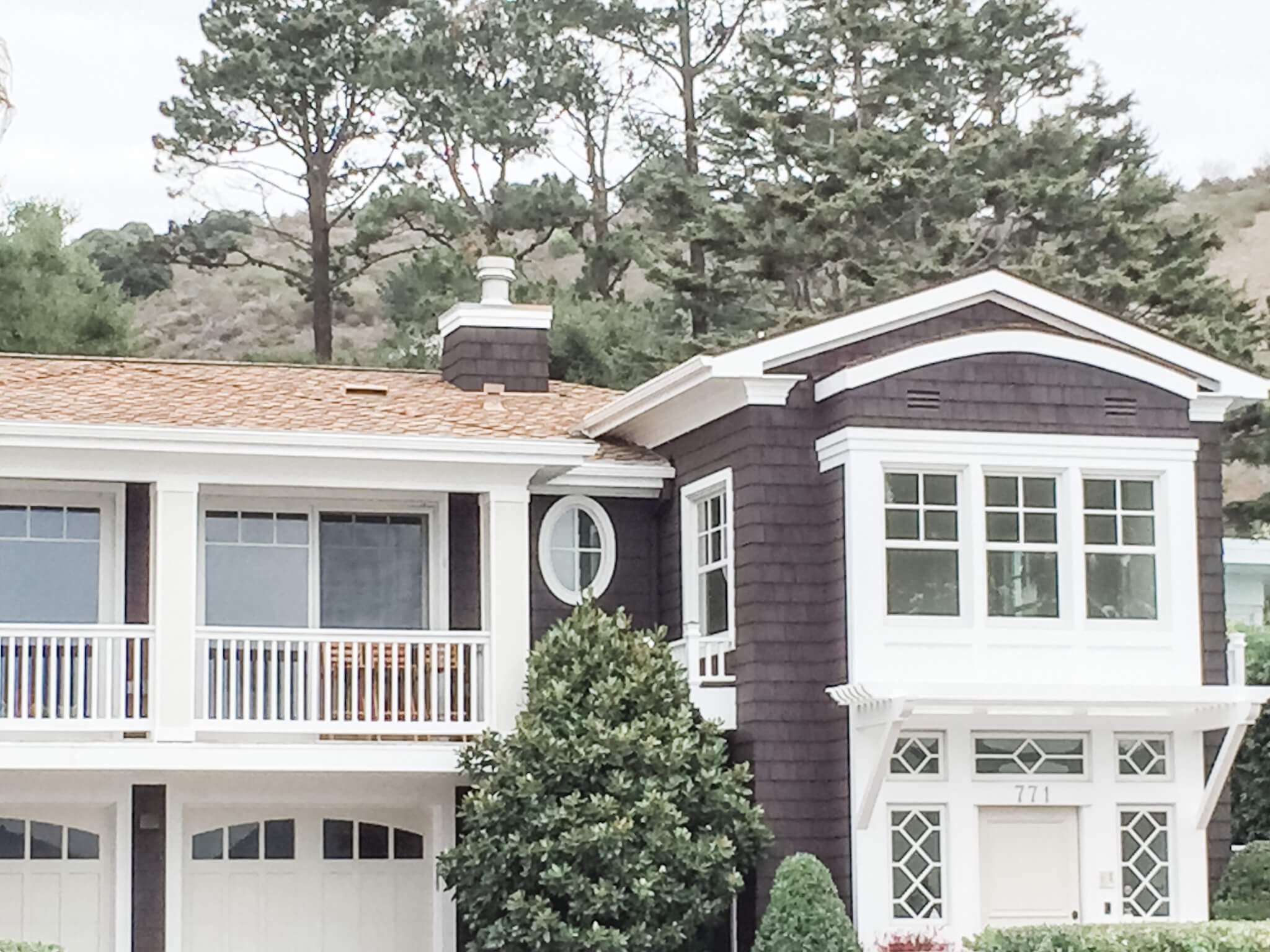
The first thing we notice about a house is its architectural style. Do you have a personal preference? Remember that styles will reflect the vernacular of the location.
In other words, center hall colonials are going to be in abundance in the Northeast while mid-century ranches and contemporary homes will be plentiful on the west coast.
How good a house looks from the exterior will also depend on the site. Is this a wooded tree-lined street? Two-story houses blend in when there are tall trees around them.
If you have ever witnessed spec houses in particular when the builder clears the lot and sticks a very tall house on it how odd it feels. It has no relation to its site.
And feels like a box was just plopped down onto a plot of land. No Bueno.
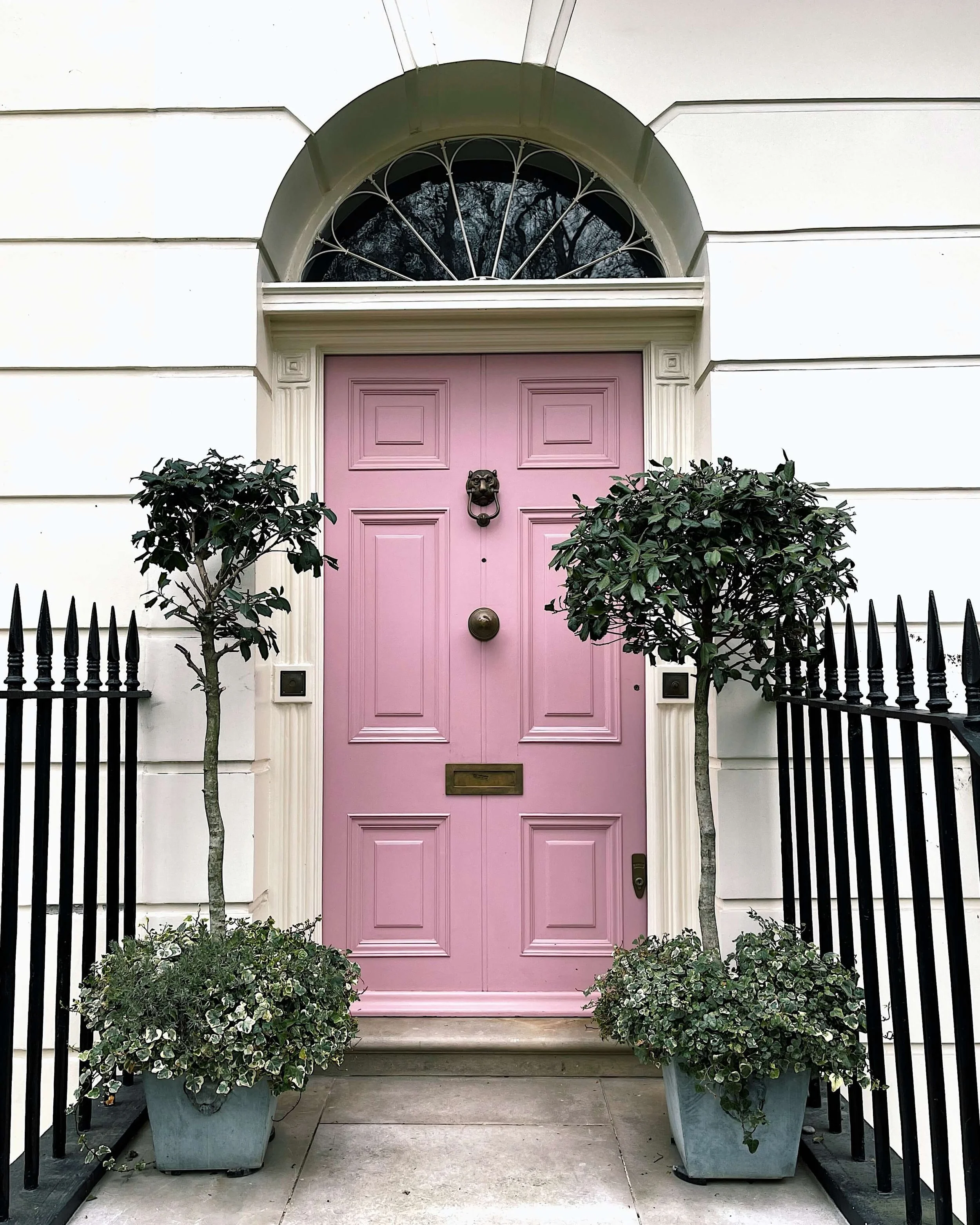
The houses that look the best, have the best curb appeal, generally are in harmony with the site and landscape.
Having said that, if you can see some potential, that can also be remedied with attractive new landscaping. Sometimes, plantings, and hardscaping such as walkways and arbors.
The Layout of the House
When you walk into a house, try to pay attention to the actual layout. Sometimes, the first thing we focus on is the initial vision. That’s not a bad thing but you don’t want updated finishes to distract from a poor floor plan.
Try to imagine yourself living in this house. Where do you enter with groceries? Is the kitchen near the dining areas? Do you need privacy if you work from home or do you meet with clients and vendors and need your office near the entry?
Are the spaces large enough? Will your furniture and belongings fit or will you need to buy new?
Pay particular attention to closets and storage. It seems like a boring detail until you move in and can’t get half of your clothing in the closet.
If you entertain a lot, how does the house flow? Do you entertain formally in a separate living room and dining room? Or, are you more casual and open plan works better for you?
The Existing Finishes and Fixtures
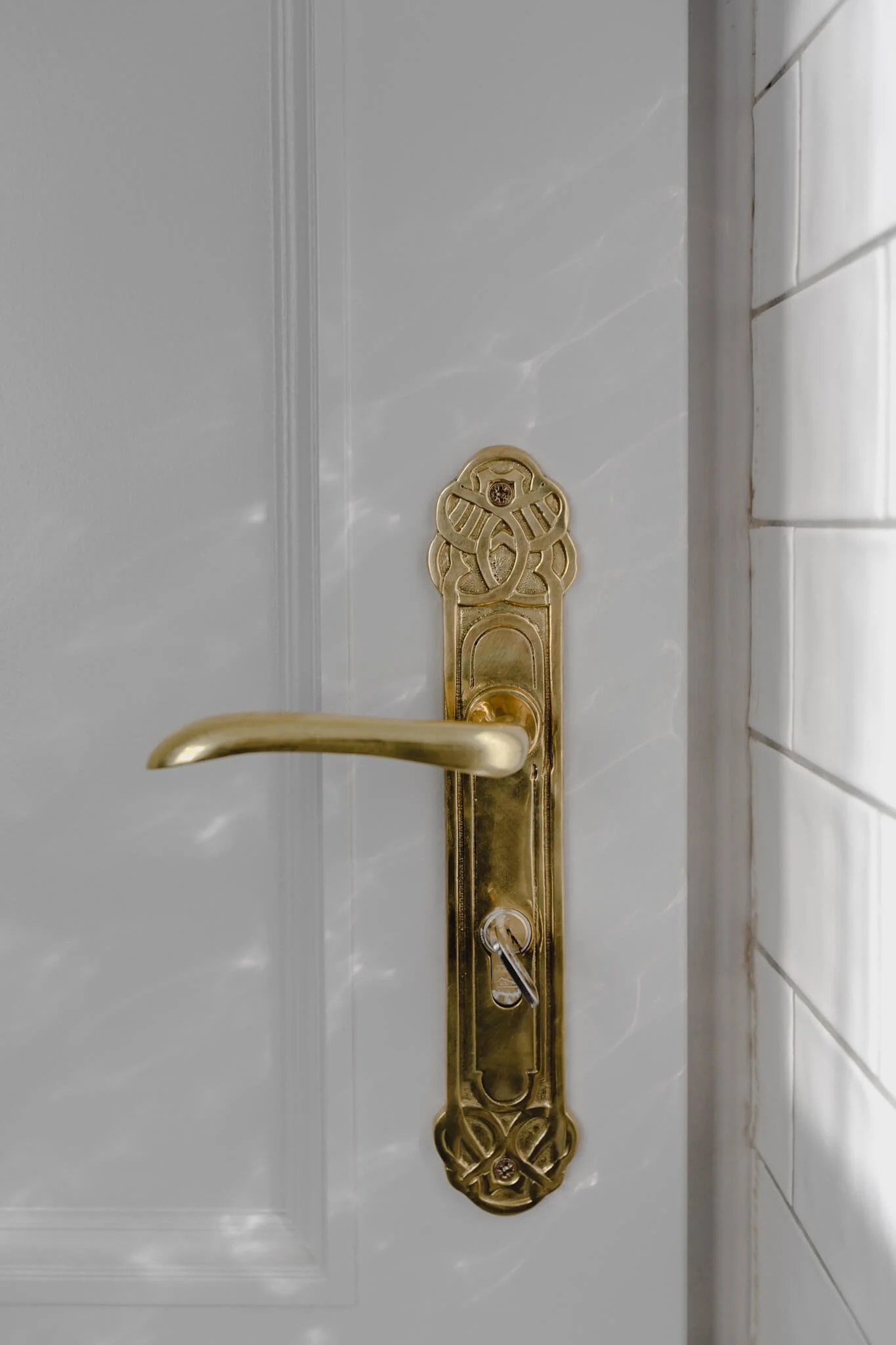
These are the things that catch everybody’s eye right off. And granted, a dated house is a turn-off but sometimes can be a great opportunity.
If all of the other criteria are good, like, size, location, condition, good floor plan, etc. Updating finishes can be a smart investment.
Also, it allows buyers the opportunity to really make the house their own without major construction or additions.
Installing new flooring, paint and tile are relatively less disruptive. Adding new bathtubs and showers is a bit more so but, if you are tearing out tile anyway, it might make sense to evaluate the current bathroom layout and fixtures.
With kitchens, observe the layout and size. Is there room for dining in the kitchen? So, one of my pet peeves when it comes to alleged “kitchen reno or updates”, is when finishes are changed out with some Home Depot tile and countertops(usually the worst busy granite) but have neglected a bad layout.
Honestly, I would rather buy a house with a kitchen that needs a total gut, than one that has been half-assed--and there are a lot of them out there!
Many older homes have smaller kitchens, at least compared to today’s standards. Sometimes bumping out the existing kitchen and designing a new layout can be truly transformative. A well-designed kitchen also adds tremendous value to a home.
The trick is to make sure that your purchase price reflects the needed upgrade and that the location can support it.
Back to our location discussion, how much you invest into your home depends on several things and one of them is your location.
If you are concerned about getting a decent return on your improvements, you need to study comparables in the neighborhood and discuss this with your real estate agent as well.
The bottom line: don’t let dated finishes scare you off from a house with good bones in the right location.
Existing Interior Architectural Features of the House
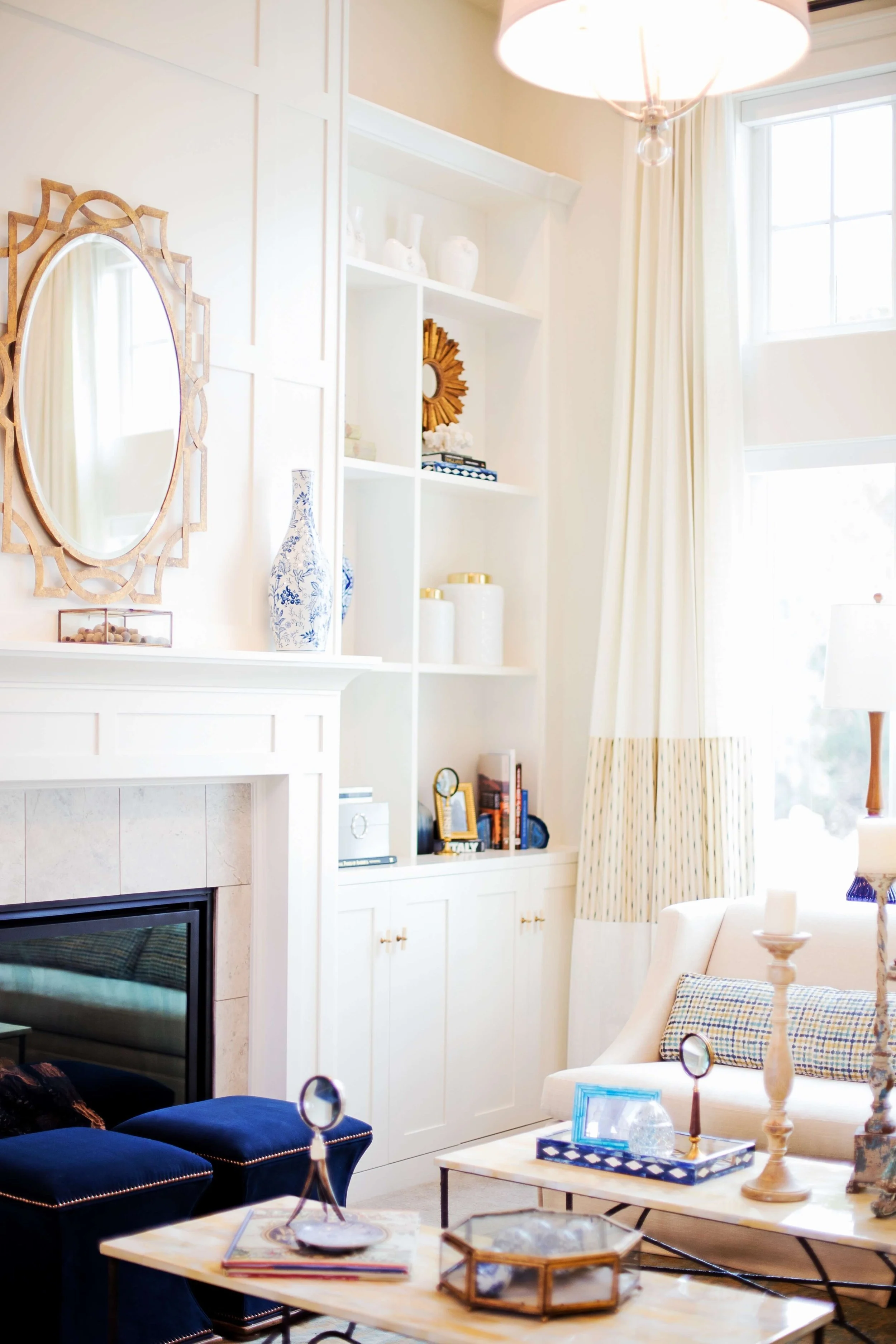
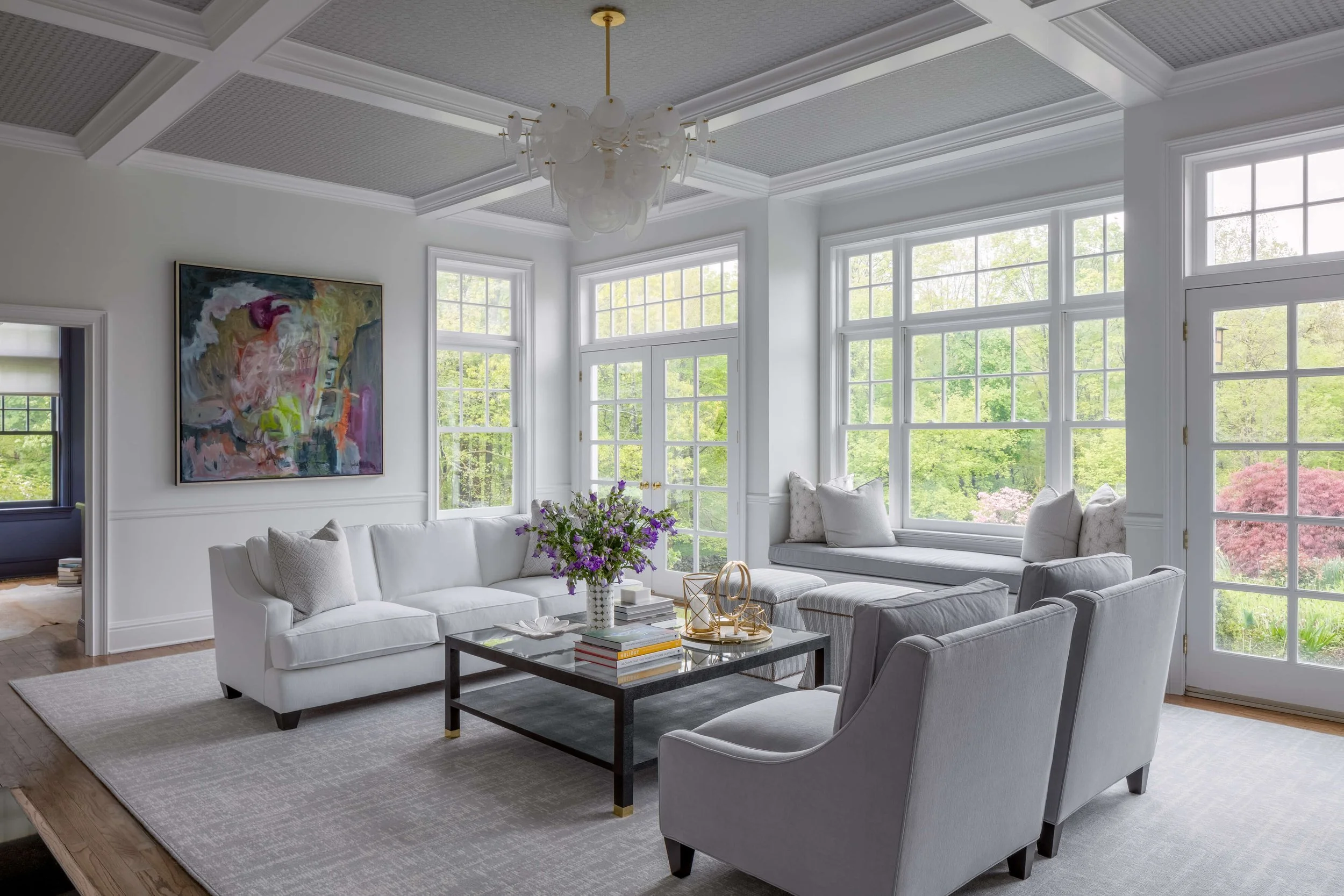
Another design aspect to note when looking at houses is the architectural features. This can vary from the style of doors and windows, any built-ins like window seats, bars, etc.. or architectural moldings such as crown molding, paneling, and the type of baseboards and casing trim.
The style and character of the casework should be in relation to the architectural style of the house as well as when it was built. Generally, houses built before the 1950s have some great character and millwork in them.
However, be aware of really bad attempts at character. This is particularly true in vintage 1980s & 1900s spec houses. There was/is a builder mentality of throwing architectural trim everywhere and usually incorrectly. Yes, there is a correct way in which to use molding and trim. There are many books devoted to the subject of classical moldings and their proper applications.
Proper architectural detail is lovely and of value, poor architectural detail both in design or execution should probably be removed.
Hardwood floors are also a score. They are universal from a design standpoint and also get points for being a hypoallergenic alternative to carpet.
Window quality is another factor. Of course, the style of the window should work with the architectural style of the home but the windows should be operable and energy-efficient.
If it is not a historic house, what is the energy efficiency of the windows? Do the windows enhance the overall character of the house?
Speaking of windows, for houses that have exterior shutters, are they authentic? Exterior shutters should be sized such that if they were to be closed, they would indeed cover the window.
Baseboards and crown molding should be in proportion to the overall room height. Depending on the style of the house, a little goes a long way.
One of the most egregious mishaps with molding is the use of traditional molding in a contemporary house. I have seen many ranches with bad crown molding! I could feel a book on bad design mishaps.
This is another area that you really need to take a second look at. Make sure that whatever “manufactured” charm (again, mostly spec houses) isn’t hiding something more difficult to fix
I was once called by a homeowner on a consultation for a fairly newish home. After living in the house, they realized that their kitchen was not at all functional. It was terrible.
But, the builder had thrown so much trim, built-ins, stone, expensive appliances, coffered ceilings, etc… that to try to correct the underlying functional issue, most of it would have to be torn out.
This is all too common. Buyers get all excited by the finishes but not the fundamentals. Many times waaay too trendy materials are used and they are outdated before the buyer moves in.
A Lot of times it is only eye candy that detracts from flaws in the layout. Beware.
Natural Light/Orientation of the House
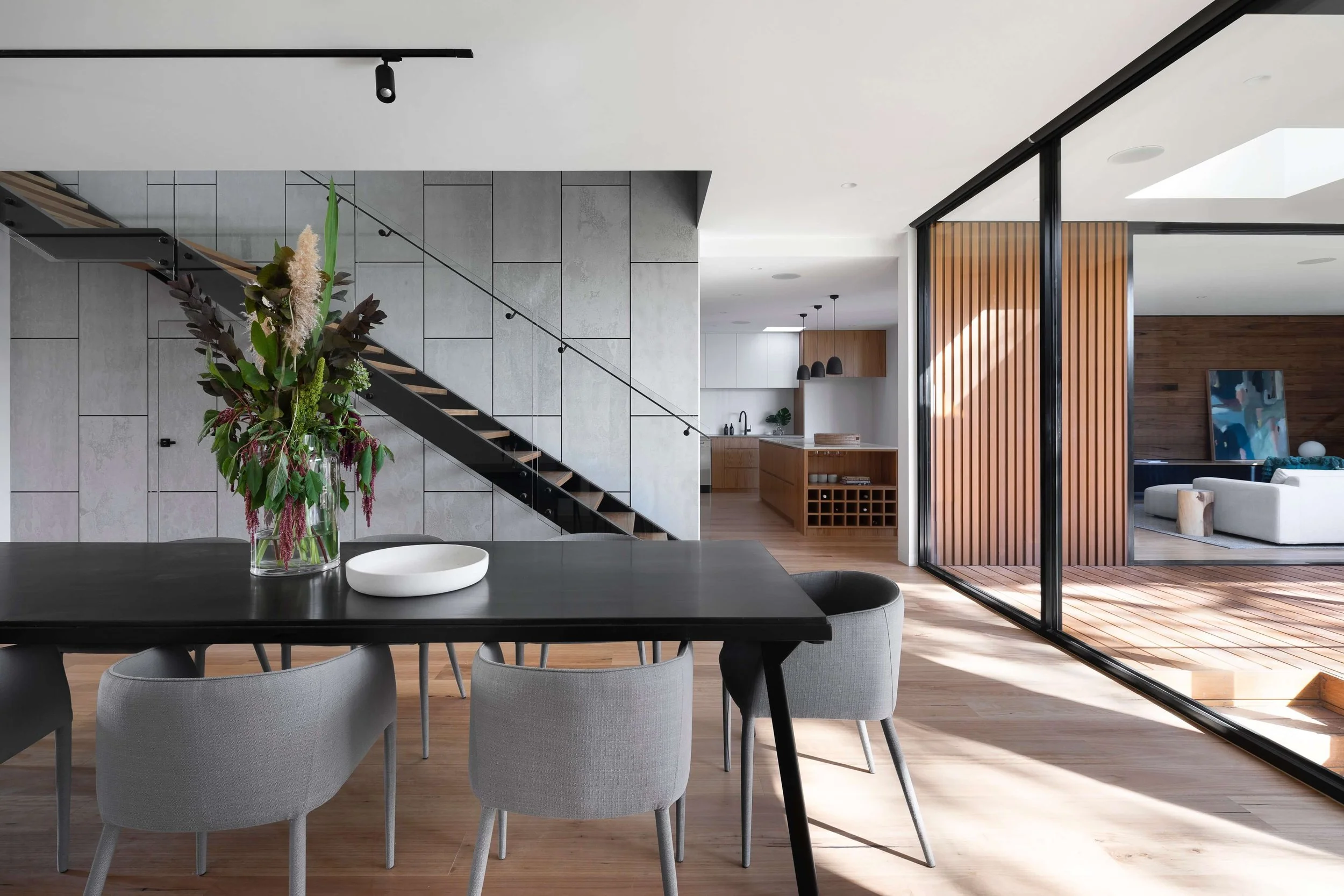
One of the first questions I ask before I start a project is, what is the orientation? By that, I mean which way does the house face, North, South, East, West. It helps determine where the natural daylight will be at specific times of the day.
It also then helps maximize natural daylight whenever possible. Natural daylight is a bit of a holy grail and a space design around it makes for a wonderful space.
How bright and light is the home? While there are some tricks to maximizing daylight, it makes it much simpler to have a desirable orientation.
Some people prefer a western orientation, others an eastern. Generally, the rooms facing west will get the afternoon sun and those facing east will get the morning sun. Southern exposure will pretty much have close to a full day.
Does it make sense to have morning sun in the kitchen as you get ready for work and school?
How about bedrooms? I am a believer in orienting bedrooms to the east so that your body can awake according to its’ natural circadian rhythm. (a concept in Well design).
But I have had professional athlete clients who have evening games and wanted total blackout window coverings. It is about your personal preferences too.
How Will You Use the House/Long Term Goals
In order to make sure that you are buying a house that suits your needs, you need to know your personal goals, wants, and needs.
Take the time to really think through how you will live in your home. What activities it will need to support such as work from home, hobbies, entertaining, etc.
Also, consider how long you are thinking of living in this home. Is it a forever home or a 5-8 year home? Or, is this for vacation or potential rental?
Create a checklist of the must-haves and nice to have. Make sure you go through it with each house that you view.
You will get quicker at analyzing homes and increase the odds of purchasing a home that is just right for you.
It is easy to be rushed into buying a home for many reasons- a tight market with low inventory, a house that pulls at your heartstrings emotionally, pressure because you need to be out of your current space are all reasons to move quickly.
If you take the time to really consider what you want and need and also do your research, you will be in a solid position to move when that right house comes along.
By the way, If you want a second opinion or set of design eyes on your potential dream house, I offer a real estate consultation service that is particularly focused on a home’s design potential or quotient.
I developed this because I was frustrated when homeowners bought houses only to have some buyers remorse or not really understand what they could actually do to transform their new home
I take you through a similar process to my design clients to create a brief based on your personal and specific needs. Then we tour any potential contenders and discuss the pros and cons.
This way you will have some achievable ideas and know about any potential design pitfalls.
Want to learn more about my REAL Real Estate Consultations? Click the button below…