5 Reasons to Use an Interior Designer to Manage Your Project
I have discussed previously the importance of having your design plan complete before you begin construction or purchasing even one piece of furniture.
But what if I have a set of plans and specifications? Can’t I just execute on my own?
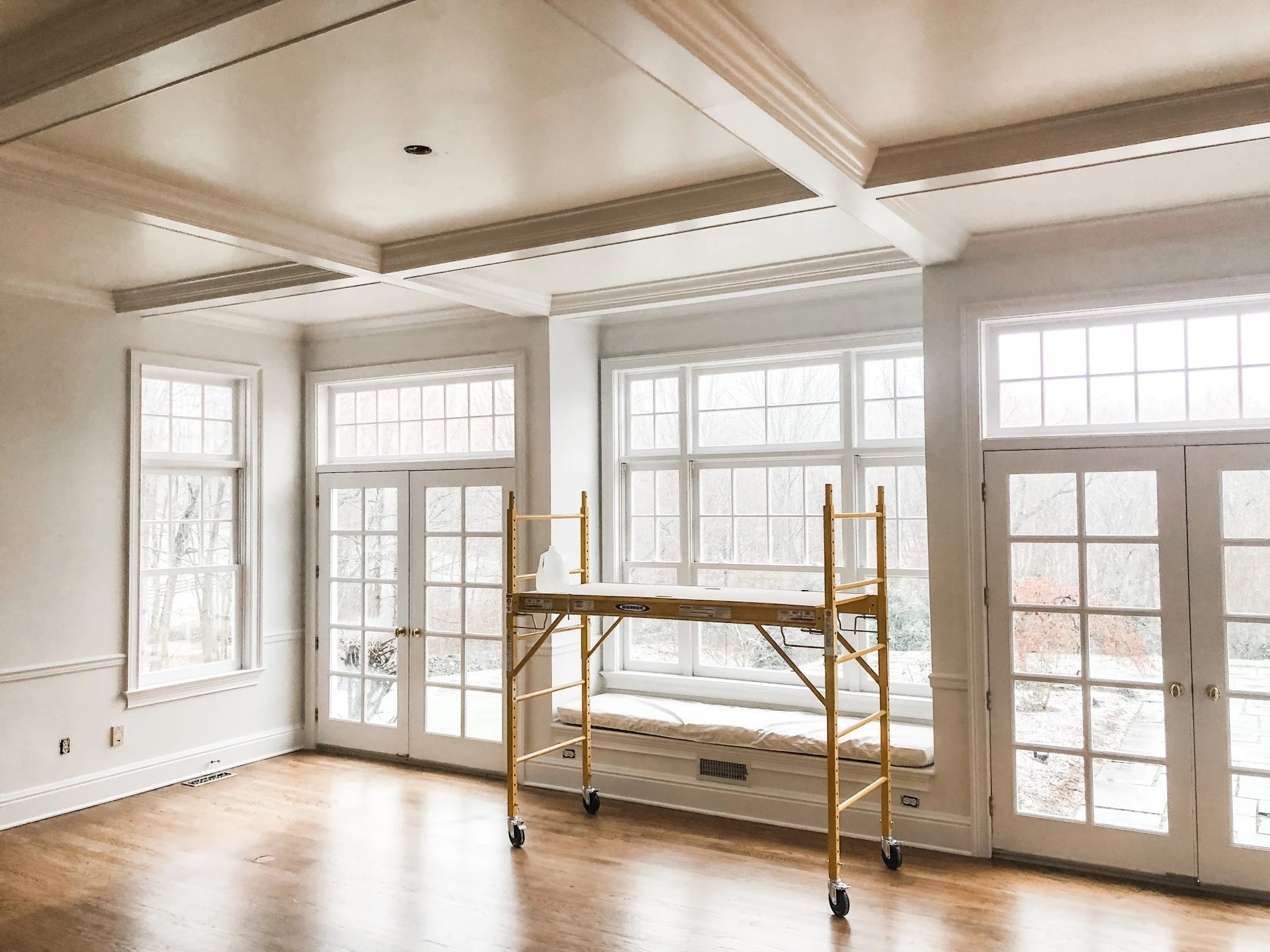
How hard could it be? You may have watched hundreds of hours of DIY shows and feel confident to take it on.
Just as hiring a pro to create the design of your home, you should consider hiring pros to execute the design plan.
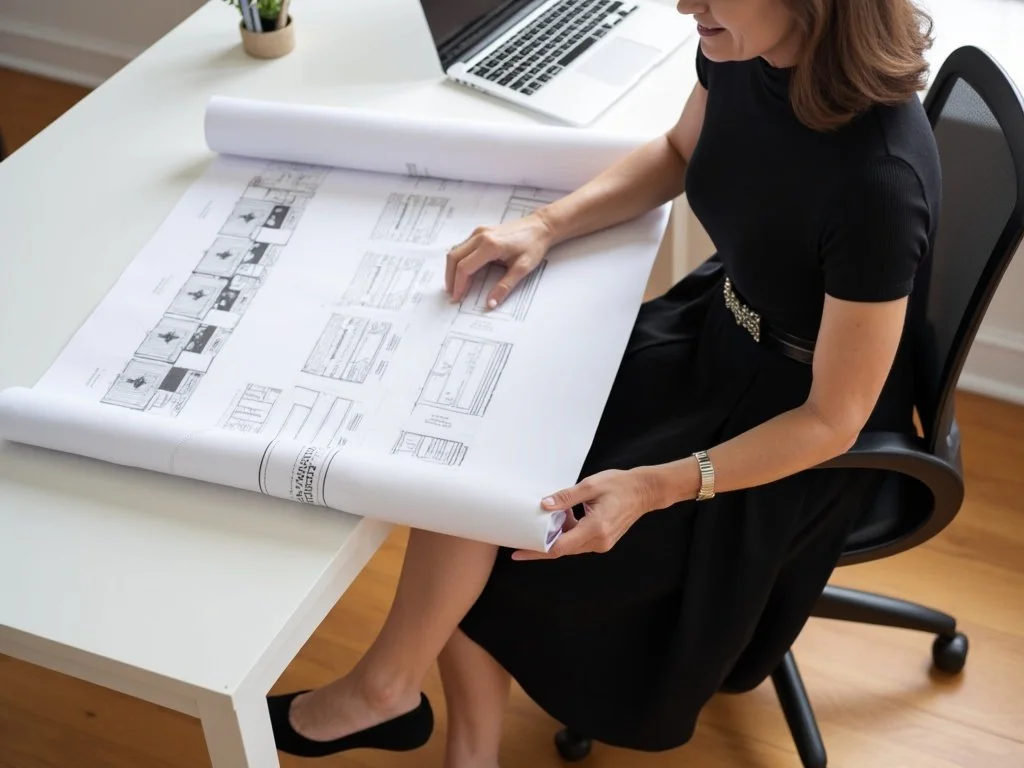
It is really critical to have your interior designer involved in the construction process. Now you may be thinking that you could save some money and after all, the contractor can just read the plans and specifications.
True. But, there are some other reasons to consider using your designer for project management/coordination
But isn’t that the general contractor’s job?
When you hire a general contractor, his/her role is to build according to plan and code. He coordinates the subs, gets inspections and sign-offs from building officials, and is responsible for dispersing payments to subcontractors and suppliers.
This is a very abbreviated list of services. He needs to understand building methods, scheduling, and project management as well as running a safe and profitable business.
With all that he has on his/her plate, details can easily be overlooked or changed for various reasons. Reasons vary from having built something in a particular manner, thinking they can save money by substituting materials or changing methods, just not understanding all that went into designing a specific feature in a specific way.
Many times general contractors are not involved in the design process and don’t have the background in why design decisions were made.
I have heard and seen it all. I am also generally open to listening to contractors when they have an alternate idea or suggestion if it is for the good of the client and project.
But how do you know if changes are ok for a project?
Your Designer Has Designed Your Home and Knows the Big Picture and The Project Priorities (value engineering)
The designer or architect is like the conductor of a symphony or the director of a film. We have spent time understanding the goals of the project, what our client’s needs and wants are--and what they aren’t.
We've spent time getting acquainted with the existing structure and site. We created countless schematics and iterations with the client to ultimately end up with the perfect design.
It is very difficult for someone to then start pulling blocks out of the Jenga tower without understanding why those specific decisions were made.
Unforeseen issues come up on jobs sites all of the time.-which is why we want to have a strong plan and design going into construction!
You need to have someone intimately knowledgeable about the project, design intent, budget, etc.. to come up with solutions on-site
As in design development, sometimes unforeseen things on-site may require a readjustment of either budget or expectations or both. You want the director or conductor to facilitate those value engineering decisions.
Problem-solving skills are the wheelhouse of the best designers. It would be a pity to have invested thus far and make a split-second unfortunate decision that you have to live with for a long time.
Designers, while not managing the subs or the general contractor, meet with them regularly and are available to troubleshoot when issues arise.
Your Designer Has Your Best Interest at The Forefront
Certified professional interior designers have our client’s best interest always.
We are your extra set of eyes on the job site to make sure the design intent is being implemented
Sometimes material substitutions are made. Would you know if that were happening? Sometimes homeowners are pressured into changes that benefit or save money for the contractor, not necessarily the homeowner.
I don’t want to paint an adversarial relationship with contractors. I love working with great trades. We are interdependent on each other and need to work together for the best outcome.
If a designer doesn’t know what they are doing on a job site or treats people poorly, it is unlikely that the best contractors will work with them or not if they have a choice. Personally, I always try to maintain a respectful job site for all involved and expect the same in return.
Construction sites have many moving parts, pieces, and people. Things happen either by mistake, by best of intention, or something else…but, it is important to catch errors, make adjustments, or pivot, quickly- and before an error is compounded by a bad decision.
You Have Eyes on the Job Site to Verify That the Design Intent is Being Properly Implemented
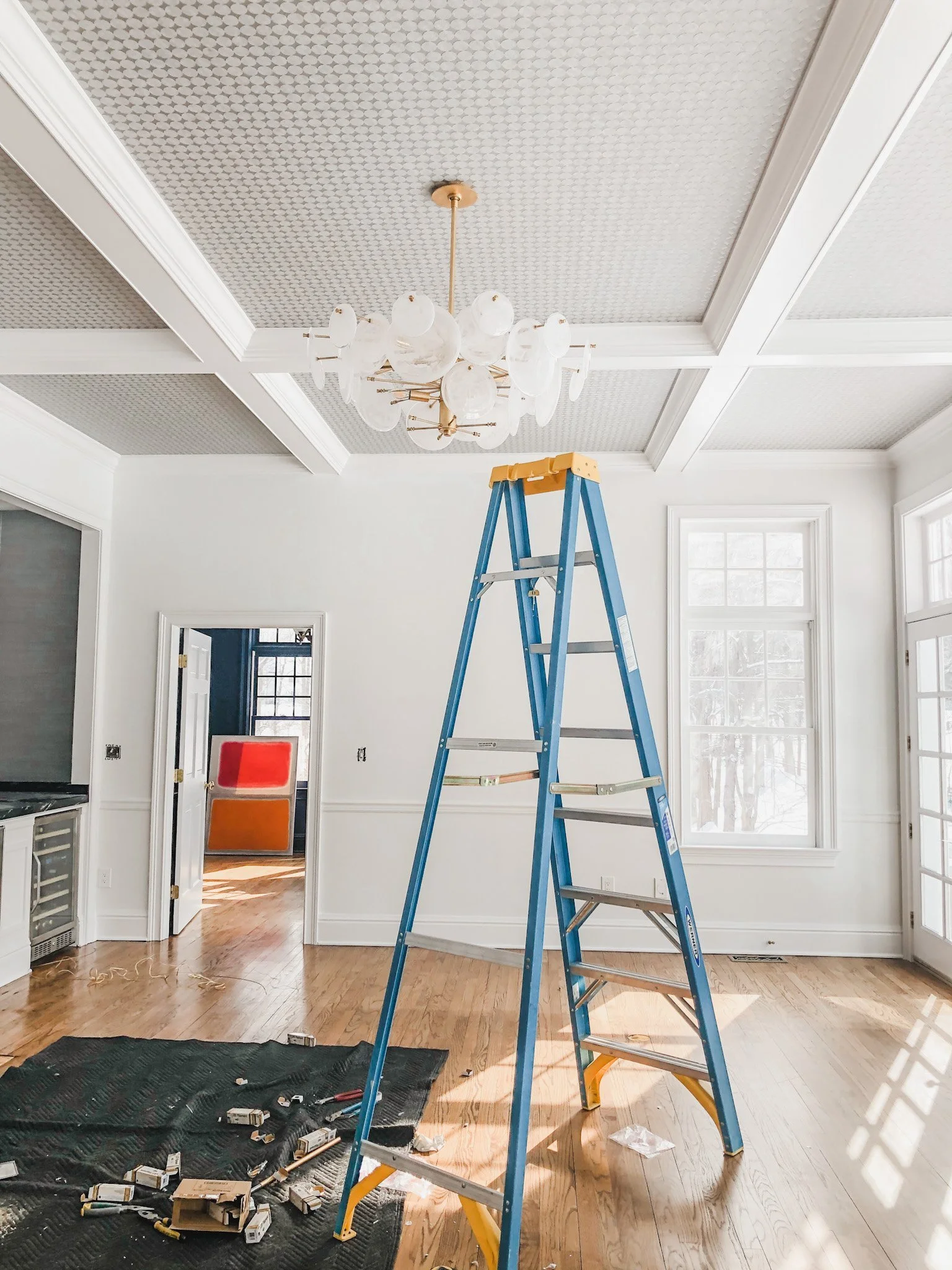
With all that the contractor has to do, it is easy to have little things slip through the crack. They may not notice that a polished nickel faucet was specified and a polished chrome was delivered and installed.
Or, is the tile installer following the installation drawing? It may look ok to many but is it really? Is the pattern or veining lined up or centered as indicated?
Contractors are always in a hurry to get the insulation inspection or rough inspections done to close up the walls quickly. I like to take a bit of time before the walls are closed.
Would you know if something is being installed correctly? Do you know if the right material was delivered? Or worse, both of the above occurring- the wrong item, already installed!!!
While ultimately, it is the contractor’s job to make sure that construction is done properly and to code, there are thousand little things that don’t affect structure or code that can make or break the level of quality and design integrity that can be missed by an unfamiliar eye.
Clients Have Access to Troubleshooting Any Unforeseen Issues That Arise on the Job Site
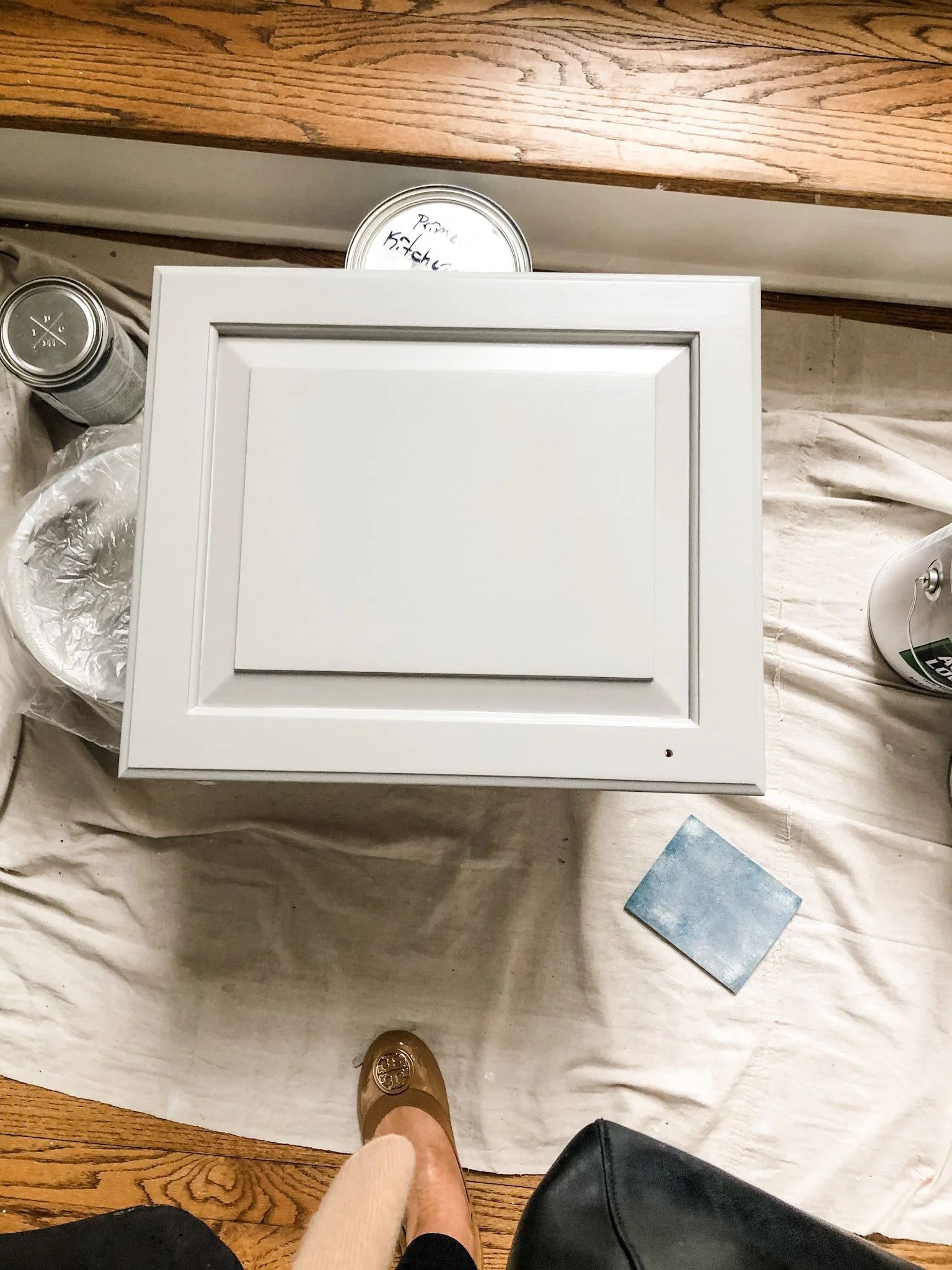
On almost every job, some unforeseen issue will arise. By unforeseen, I don’t mean wanting to change a finish or light fixture after the fact. By unforeseen, I mean something found during the demo-like a pipe where we were removing a wall, a wall that is insufficiently supported, a gas line, sewer line, etc...where you are excavating for an addition.
When these events occur, decisions need to be made in regards to how to deal with them. It may require design/problem solving or value engineering due to the cost.
Whatever the issue, time is of the essence once construction begins and decisions need to be made promptly and efficiently to keep construction on schedule.
Those decisions should be made in conjunction with the person who created the design so as not to lose the design integrity.
Having Your Interior Designer Coordinate the Construction of Your Project Saves You Time and Money

I’ll say it again, hiring the right person for the right job saves you time and money. Rarely are homeowners available almost on call to deal with everything that comes up during construction.
It is time-consuming to constantly oversee construction. A good hybrid would be to use a designer to confer during key milestones of construction-at points that are critical in terms of minimizing mistakes.
This is a good compromise even if you are comfortable overseeing your project.
In building and construction, the cost of mistakes is high. The investment in solid professional design and project coordination more than pays for itself.
Having another set of eyes on the site also gives you a sounding board if issues arise.
While from a design professional’s standpoint, this part of the job can be a lot of work and time, it is so important to get this far and not drop the ball.
I believe in this so strongly and am so committed to seeing a project to a successful outcome, that I charge for this service at a reduced hourly cost so that it encourages clients to take advantage of this.
If you have questions about project coordination/management, please reach out and schedule a call. I would love to hear about your home design challenges. Just click the button below to directly schedule a complimentary call.