Why Some Beautiful Homes Still Feel Flat
A home can be objectively stunning and completely disconnected from the person living in it — and it usually comes down to where the process started.
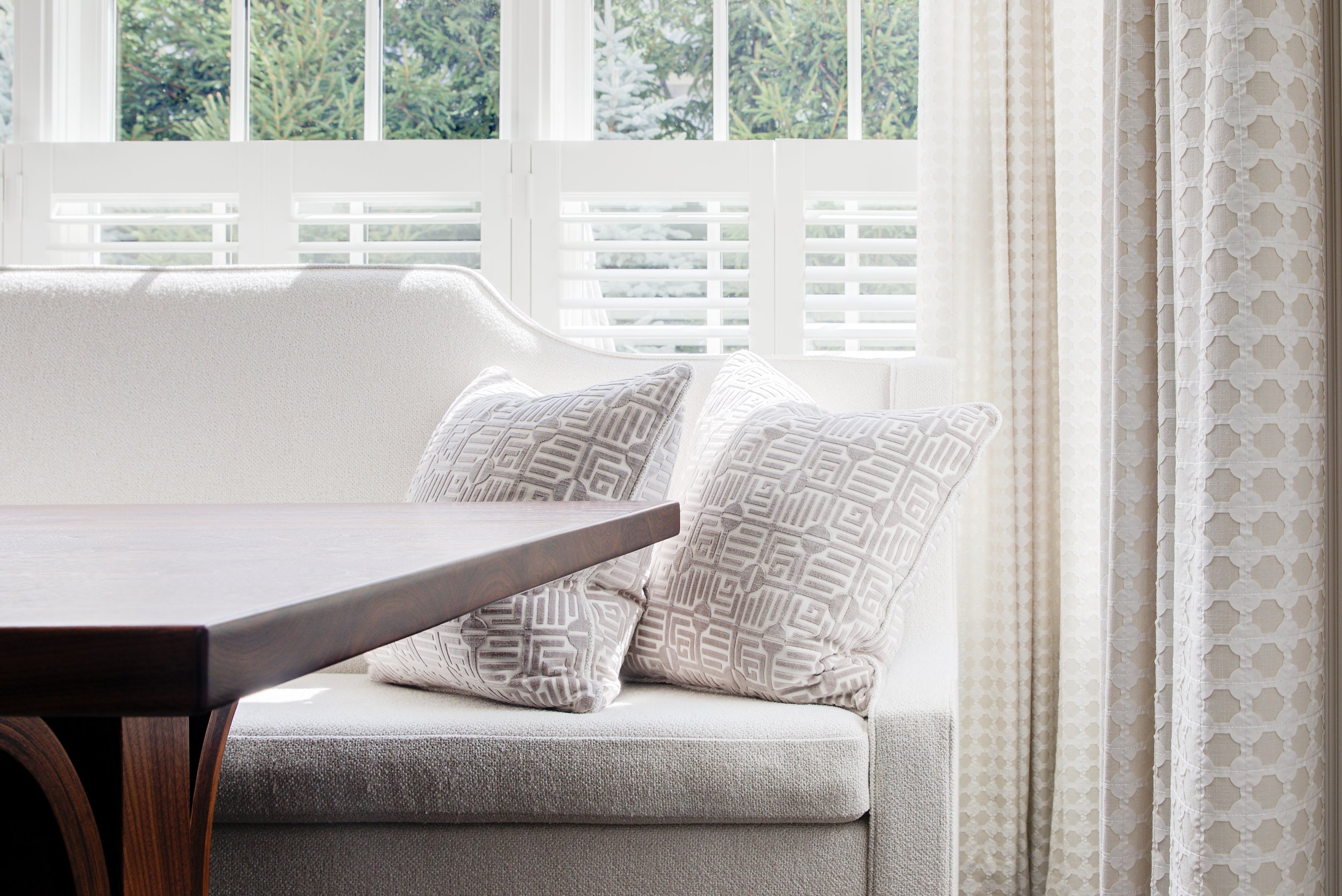
A home can be beautifully decorated, expertly sourced, and professionally designed — and still feel wrong to the person living in it. This is one of the most common and least discussed problems in interior design. It doesn't happen because of bad taste or insufficient budget. It happens because of how the process started.
There is a particular kind of disappointment that doesn't have a clean name.
It's not the disappointment of a bad decision — a piece that doesn't work, a color that missed. Those are fixable. You return the sofa. You repaint the wall.
This is quieter than that.
It's the feeling of walking through a home that looks exactly the way it was supposed to look — and feeling nothing. Or worse, feeling vaguely like a guest in your own space. Like the house is performing for someone who isn't you.
It's more common than anyone in the design industry likes to admit. And it almost never happens because of bad taste.
It happens because of how the process started.
When a Home Is Designed to Be Looked At
The first way a beautiful home goes flat is when it's designed to be looked at rather than lived in.
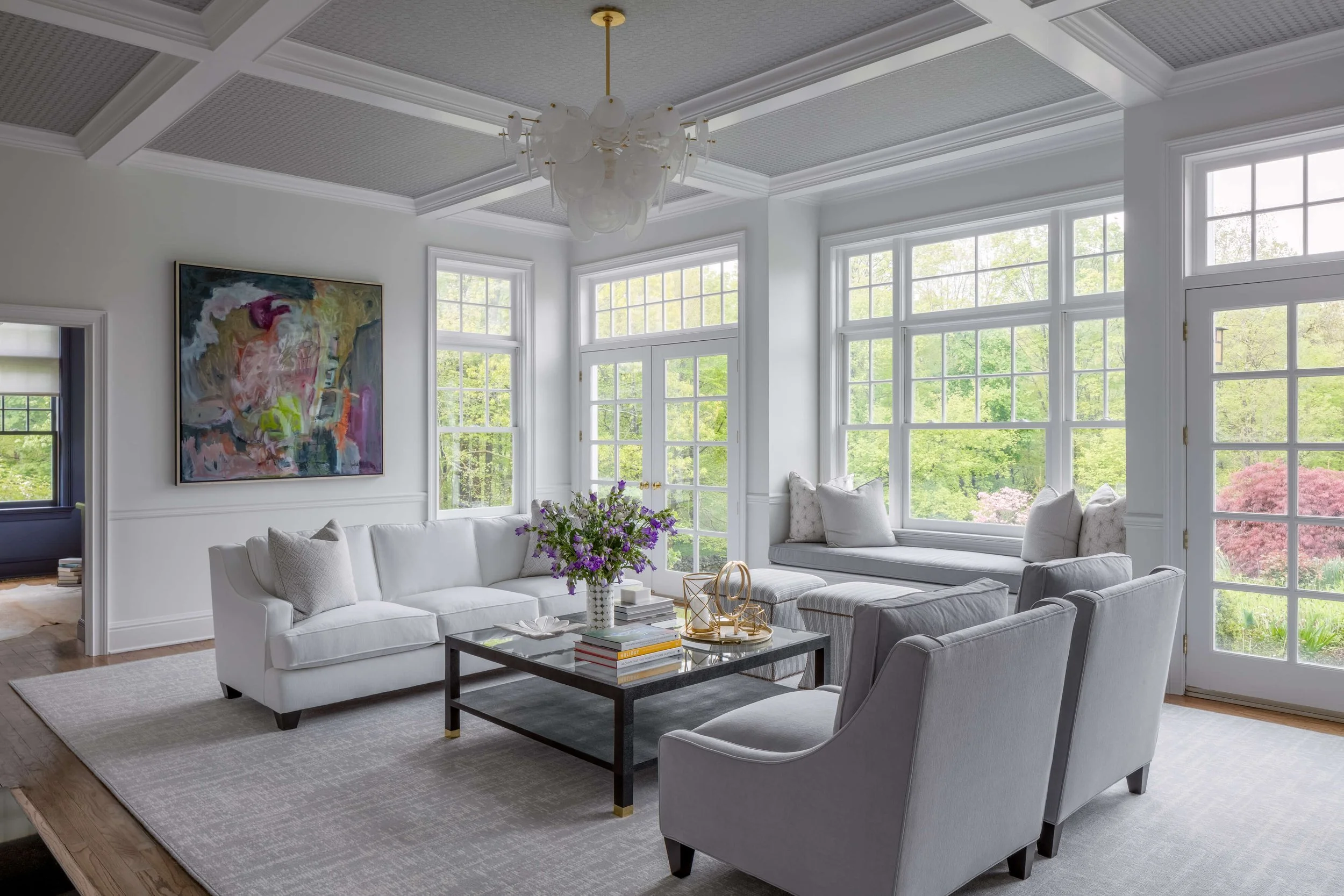
You've seen these homes. Immaculate. Every surface considered, every corner styled. They photograph like a showroom and feel like one too. Nothing is quite where you'd actually put it. The throw pillow placement is precise in a way that makes you hesitant to sit down. The coffee table has objects on it that serve no purpose other than to be there.
It looks resolved. It doesn't feel inhabited.
A home designed for appearance rather than life has a stillness to it that isn't peace — it's absence. The absence of the people who actually live there. Their habits, their rhythms, their particular way of moving through a space.
Real ease doesn't look effortful. But it also doesn't happen by accident. It requires someone thinking carefully about how a family actually uses a room — not how it will read in photos.

When a Home Is Designed to Someone Else’s Ideal
The second way a beautiful home goes flat is when it's designed to someone else's ideal.
This one is subtler and more common than people realize. It happens when a client brings in images — hotel lobbies, magazine spreads, a friend's apartment they've always admired — and the designer builds toward those images rather than toward the person sitting across from them.
The result can be genuinely stunning. Objectively beautiful. And completely disconnected from the life being lived inside it.
Because those images weren't yours. They were someone else's solution to someone else's life. The proportions that work in a Parisian apartment may feel cold in your home. The palette that photographs beautifully in California light may feel wrong in yours. The aesthetic that suits your friend's personality — her particular way of entertaining, her relationship to stillness and warmth — may have nothing to do with yours.
Designing toward an image instead of a person is one of the most elegant ways to end up somewhere that doesn't feel like home.
""It looks like her."
When the Designer’s Vision Overtakes the Owner’s
The third way a beautiful home goes flat is when a designer brings their vision instead of finding yours.
There are designers who do beautiful work — genuinely beautiful — within a very specific language. A signature palette. A recurring material. A point of view so defined it's almost a brand. And for the right client, that can be extraordinary.
But applied to the wrong person, it produces spaces that feel curated for an audience rather than built for a life. You can feel the designer's hand everywhere — and the homeowner's presence nowhere.
A home should feel unmistakably like the person who lives in it. Not like a portfolio piece. Not like a style category. Not like a very expensive hotel that happens to have your things in it.
When the designer's vision overtakes the client's identity, the home becomes a beautiful artifact. Something to be admired. Not something to exhale into.
All three of these failures share the same root.
The process started in the wrong place.
With the look instead of the life. With the image instead of the person. With the designer's fluency instead of the client's truth.
I worked with a woman not long ago who had been through two significant design projects before we met. Both had produced homes that other people admired enormously. Both had left her quietly dissatisfied in ways she struggled to articulate.
When we started working together, I didn't ask her what she loved. I asked her how she lived. How she wanted to feel when she walked in after a long day. What her mornings looked like. Who she was now — not who she'd been when she bought the house, not who she thought she was supposed to be.
The home we built together doesn't look like anything she would have pinned. It doesn't look like my work, particularly. It doesn't look like a style with a name.
It looks like her.
And when she walks into it — which she told me recently, quietly, almost to herself — she finally stops.
Not to admire it.
Just to be in it.
That is what a home is supposed to do.
Not perform. Not impress. Not reflect someone else's vision of beauty or your own aspirational self.
Hold you. Exactly as you are.

Your home is not a mood board. It is not a collection of well-curated moments. It is where your actual life happens.
And the homes that hold up — the ones with real ease, real soul, real staying power — are built on something that never once made the algorithm happy.
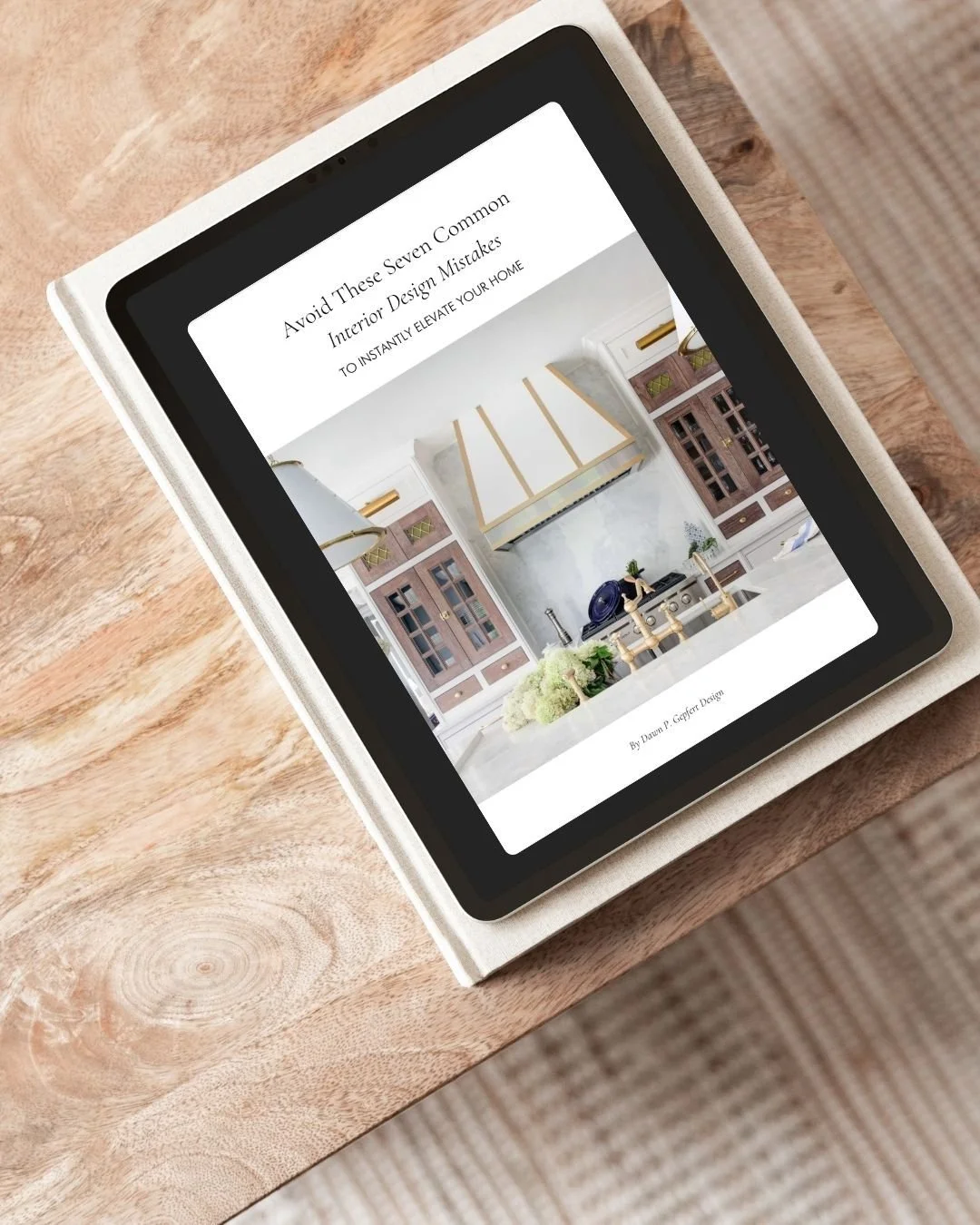
Get our free copy of ”Avoid These Seven Common Interior Design Mistakes, to Instantly Elevate Your Home”