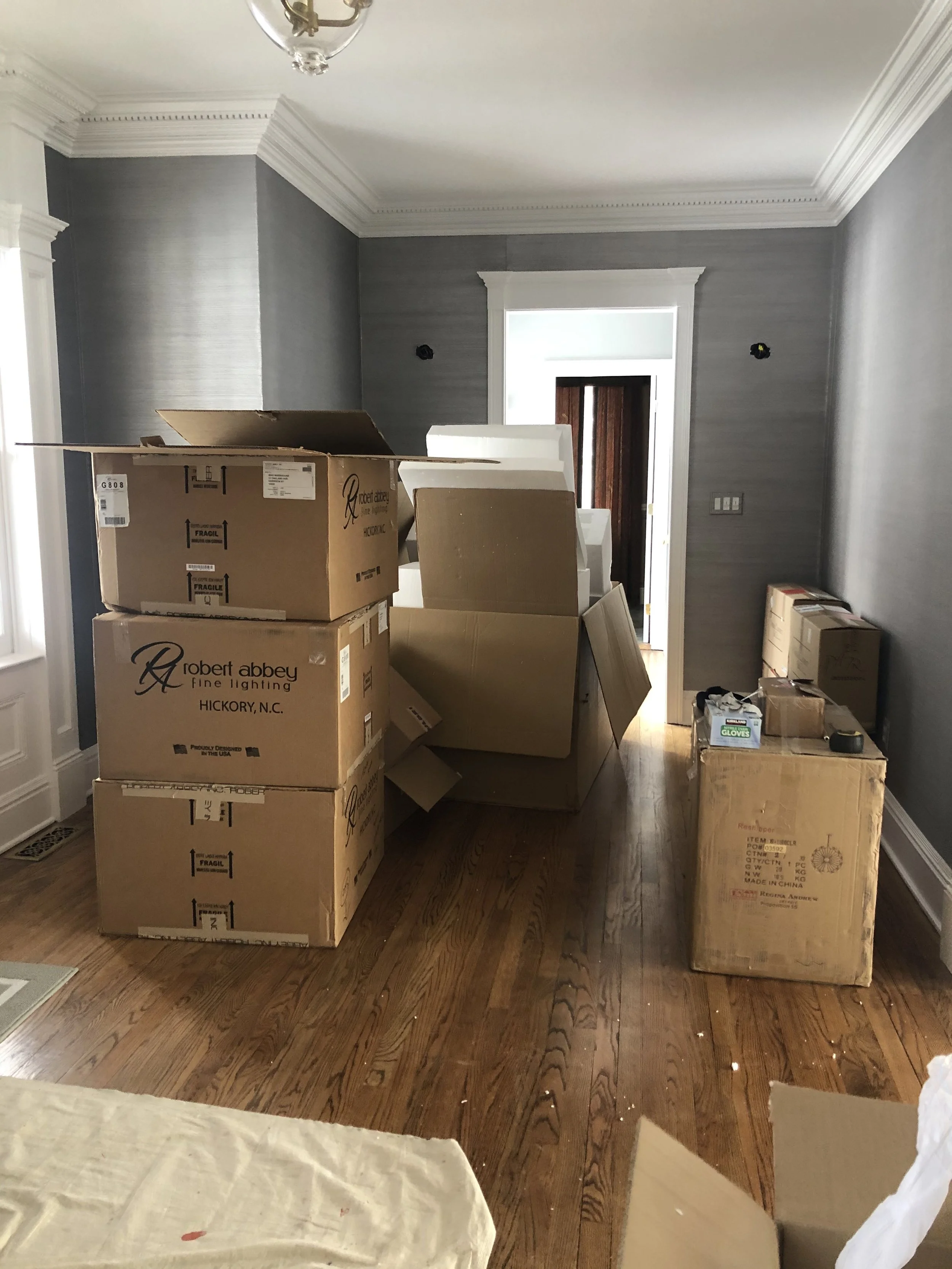
Why Renovation Regret Happens Before the Contractor Leaves
Most renovation mistakes aren't construction errors. They're design decisions made too early, in the wrong order, or without the full picture in front of anyone.
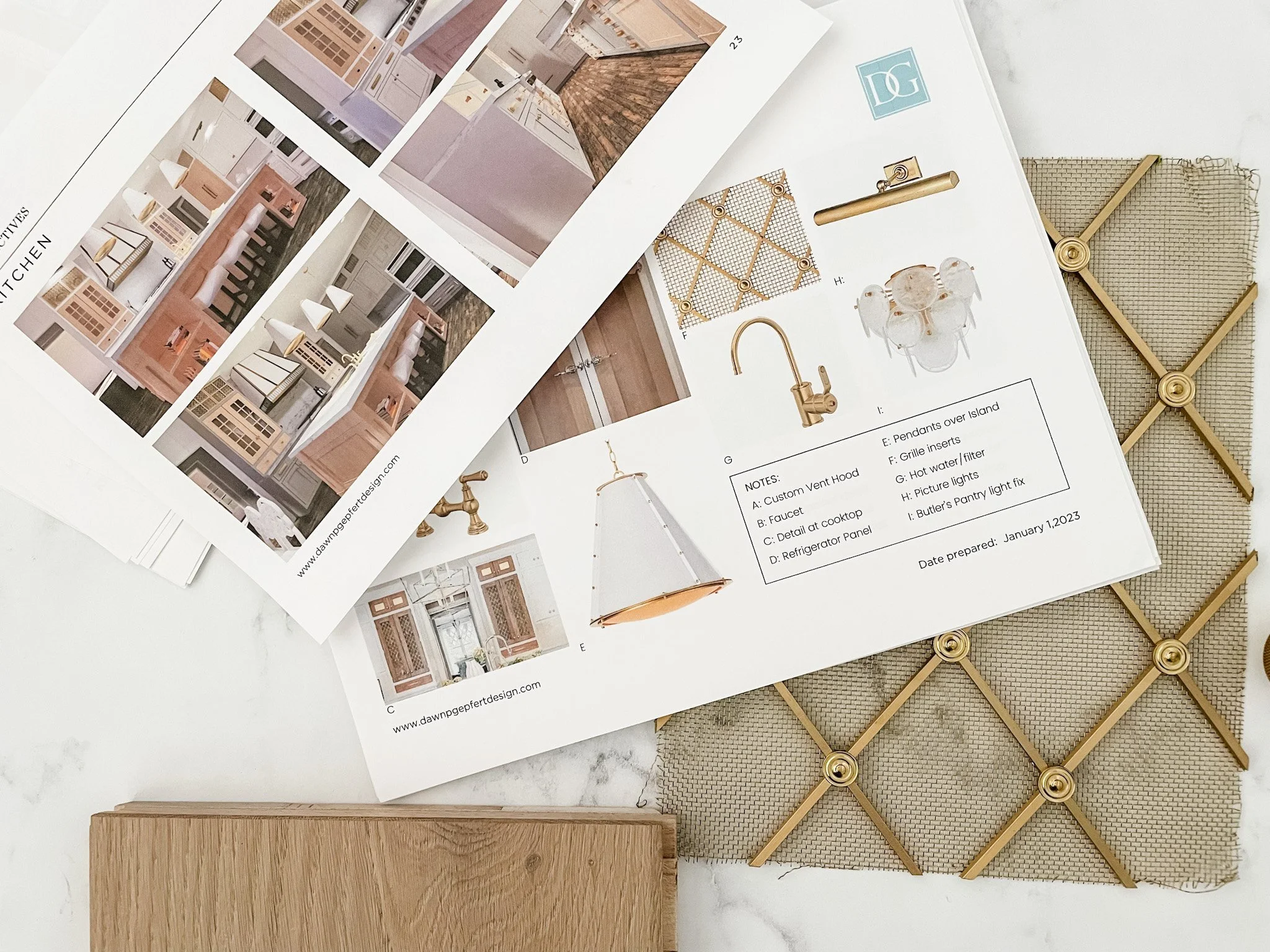
By the time the contractor hands you the keys, the decisions are already made.
The walls are where they are. The plumbing is where it is. The ceiling height, the window placement, the electrical — set. And if something feels off, you will spend the next several years walking past it, adjusting to it, or eventually paying someone to redo it.
Renovation regret is almost never about bad craftsmanship.
It’s about sequence.
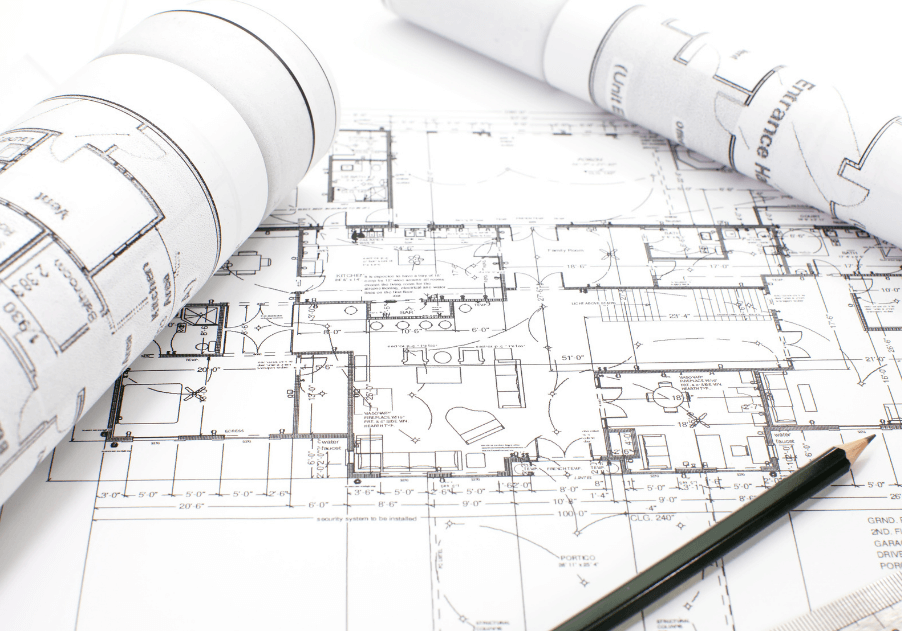
Sequence matters not only in the construction process-depending on the design, there are things that need to be done behind the walls-not after the walls are constructed, but also in the design process.
I know the design process sounds so “process-y” and not very creative. But it actually is. Design doesn’t occur in a vacuum. Design is always in context-a chair in a room, a room in a house, a house in a neighborhood-you get the point.
It’s when we lose sight of that and start designing out of context that the wheels start coming off. We lose the design brief, our goals and wants, we lose the design concept-and things no longer look right or function the way they were intended.
The Quiet Kind of Regret
There’s a particular kind of disappointment that sometimes comes with a finished renovation. Not the dramatic kind — no water damage, no contractor who disappeared, no obvious disaster- not this time anyway. Sometimes it is just a quiet, persistent sense that something isn’t quite right. The kitchen functions. The bathrooms are beautiful. And yet.
The island is six inches too long and you have to turn sideways to get to the refrigerator. The tile you loved on the sample board reads cold in the actual light of the actual room. The built-ins that looked perfect in the rendering land in exactly the spot where you wanted to put the chair you’ve had for fifteen years.
None of these are construction errors. Every single one is a design decision made too early, in the wrong order, or without the full picture in front of anyone.
What the Wrong Order Looks Like
Here’s what that sequence usually looks like when it goes wrong.
A client finds a stone they love. They build the kitchen around it. Three months later, when the floor plan gets finalized, the island shifts — and suddenly the stone that was chosen for its movement reads choppy at that scale. Or a lighting fixture gets selected from a catalog before the ceiling height is confirmed, and it arrives two inches too short for the room it was meant to anchor.
Or — and this is the one I see most often — the finishes are chosen before anyone has asked the most important question: How does this person actually live in this space?
The Question Nobody Asked
Do they cook every night or entertain three times a year? Do they need an office that disappears or one that announces itself? Do they want the primary suite to feel like a hotel or like the most personal room in the house? These aren’t aesthetic questions. They’re architectural ones. And when they don’t get asked first, the answers end up buried under decisions that can’t be undone.
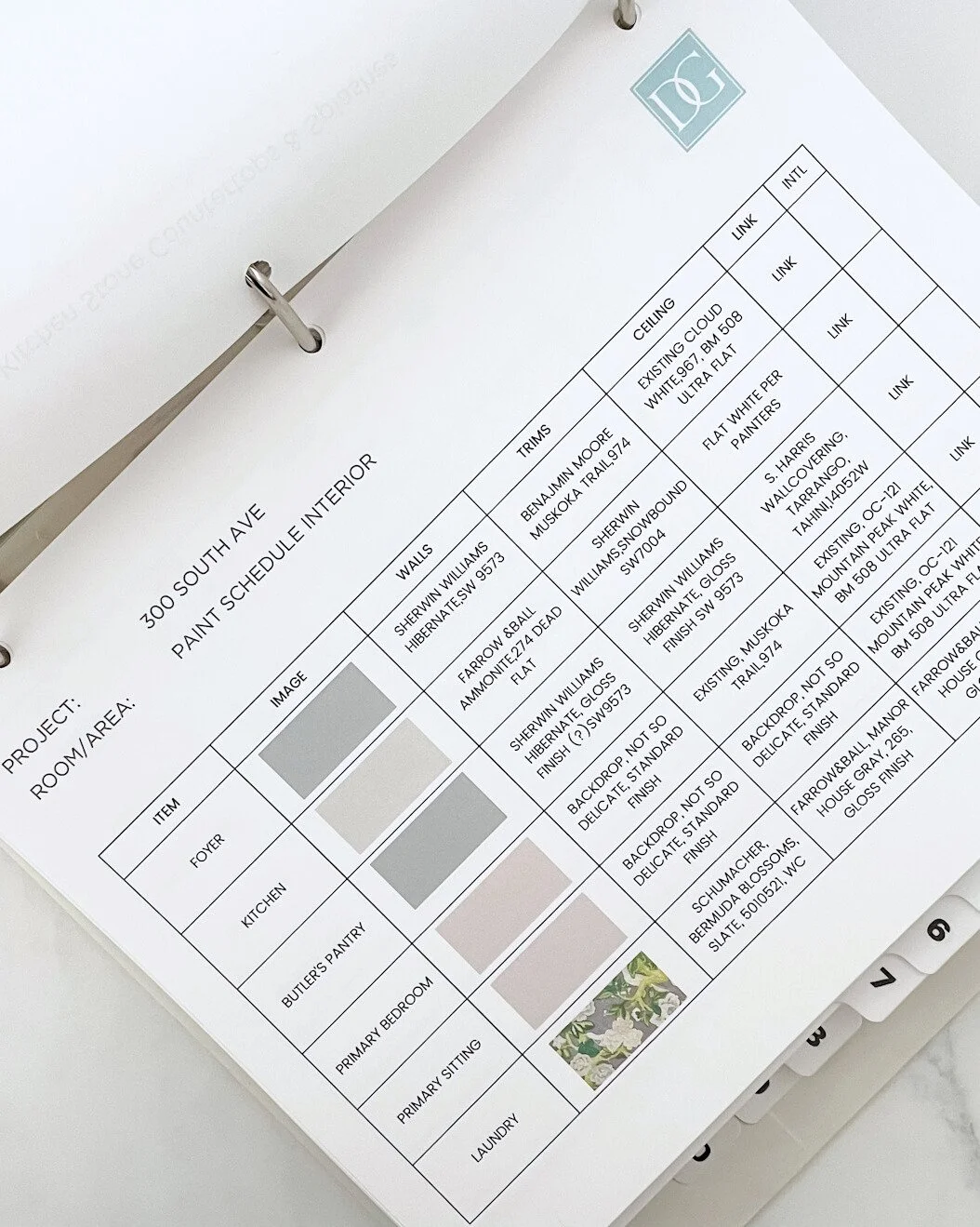
Or finishes are chosen out of context. All of the finishes are not shown together in relation to each other. Or worse case, fixtures and finishes are being installed and not all of them have been chosen yet.
You are allowed to not know the right order.
That’s not a failure of taste or preparation. Most people renovate a handful of times in a lifetime. The sequence isn’t intuitive — it has to be learned, or it has to be led.
What you do need is someone in the room early enough to matter. Not just to choose the finishes. Not just to manage the contractor. To ask the questions that shape every decision that comes after — before the slab is ordered, before the demo begins, before the thing that felt small turns out to be big and permanent.
The tile can be beautiful. The craftsmanship can be flawless. And a room can still feel wrong because no one asked the right questions before anyone picked up a hammer.
That’s not a renovation problem. That’s a design process problem.
And it’s entirely preventable.
If you’re reading this in a kitchen where you have to turn sideways to get to the refrigerator — first, I’m sorry. Second, there’s still time to get the next one right. Give me a call-for real
That’s what I do.
Get our free copy of ”Avoid These Seven Common Interior Design Mistakes, to Instantly Elevate Your Home”