Why the questions that shape a house get asked exactly once — whether or not anyone asks them out loud.
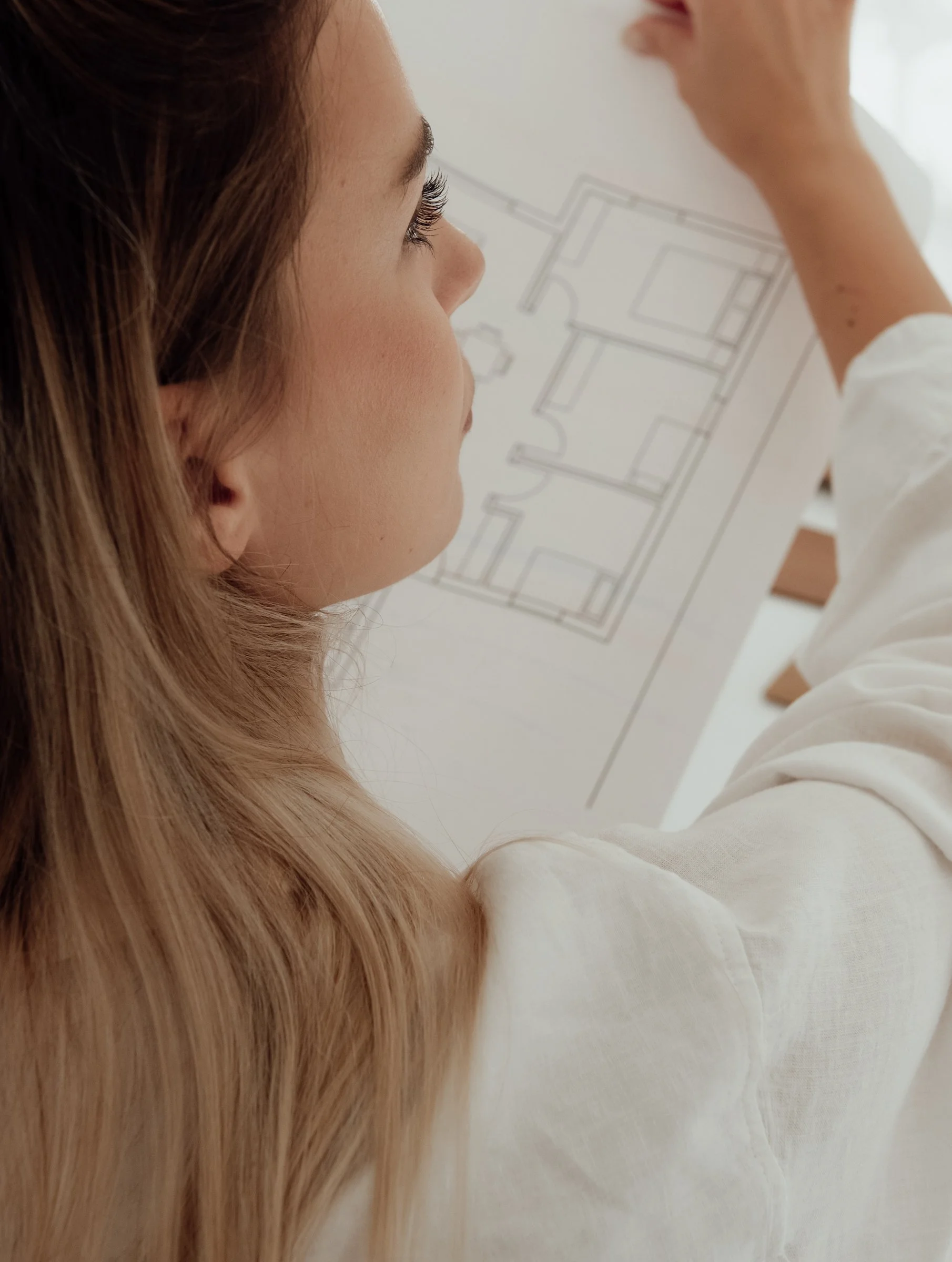
There's a moment in almost every first conversation with a builder, and sometimes with a client, when I say I'd like to be involved before the plans are final — and I can see the thought land: ah, one of those. A designer who wants to run everything.
I understand the suspicion. The industry has earned it. Plenty of designers want in early to claim territory, to make sure nothing happens without their blessing, to be the bottleneck with a point of view.
That's not why I'm early. I'm early because of when problems are willing to be found — and they are far more willing before demolition than after.
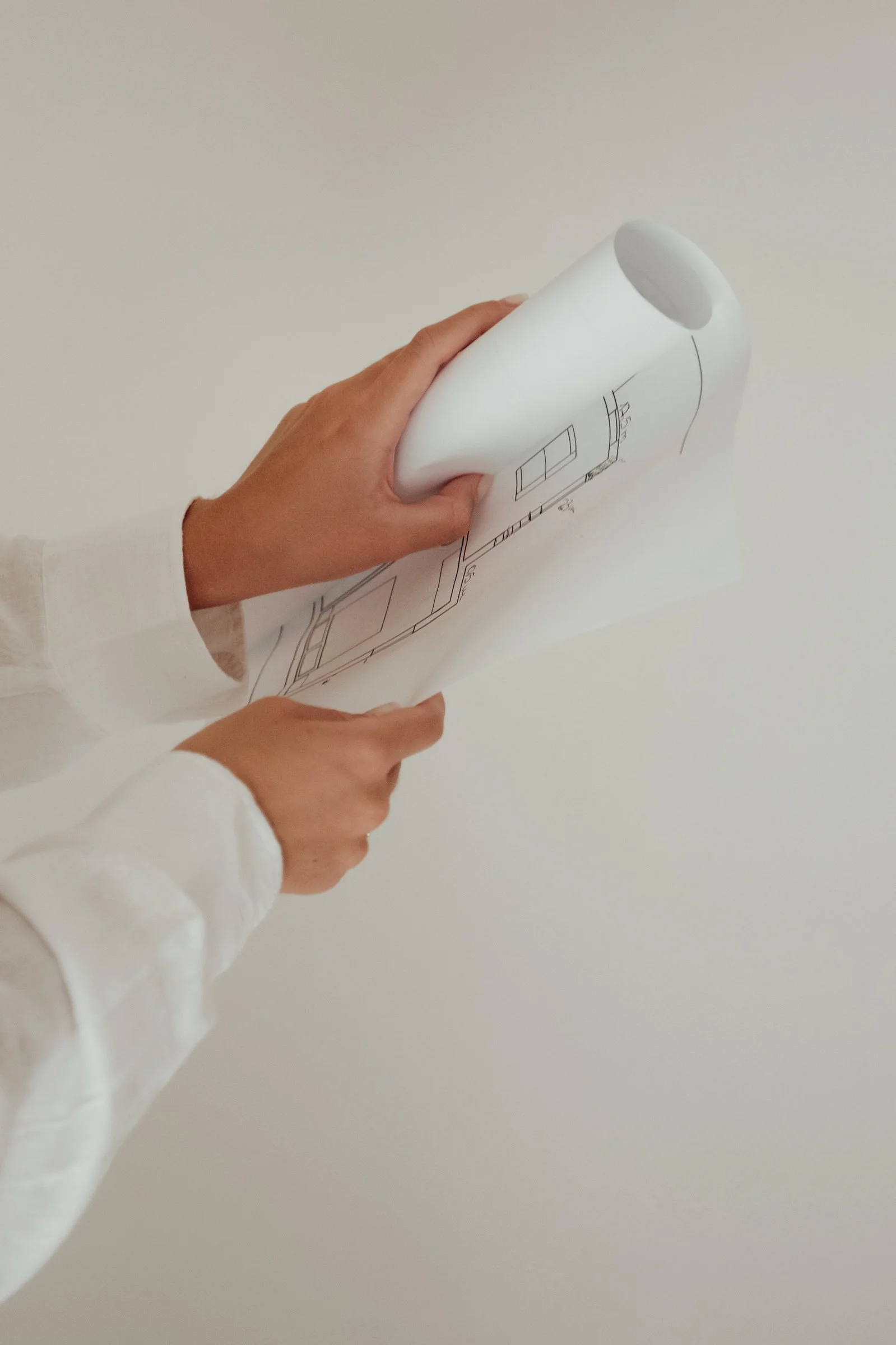
Here's the part of my process nobody sees, and the reason early matters: I work from a program. Before anything visual exists — before a finish, before a fabric, before anyone says the word "vibe" — there's a document about how you actually live. What happens in this house at 7am. Where the coats go. Who cooks while who talks. What the room has to do before anyone cares what it looks like.
Abstract to Concrete — How the Work Actually Moves
From there, the work moves from abstract to concrete, in order. The program shapes the layout. The layout shapes the mechanical decisions. The mechanicals shape the finishes. Each phase answers the one before it — and each phase quietly closes doors in the one after it.
That last part is the whole argument. By the time a project reaches the stage where most designers are hired — finishes, furnishings, the pretty layer — the layout has already decided most of what the room can become. The plumbing has voted. The electrical plan has voted. Arriving late doesn't mean designing less. It means decorating around decisions that were made by default, by whoever happened to be standing there when the electrician needed an answer.
“
”What gets decided before the drawings decides the house.”
Let me make this concrete, because "early involvement" sounds abstract right up until it saves you a wall.
What Early Looked Like on a New Canaan Renovation
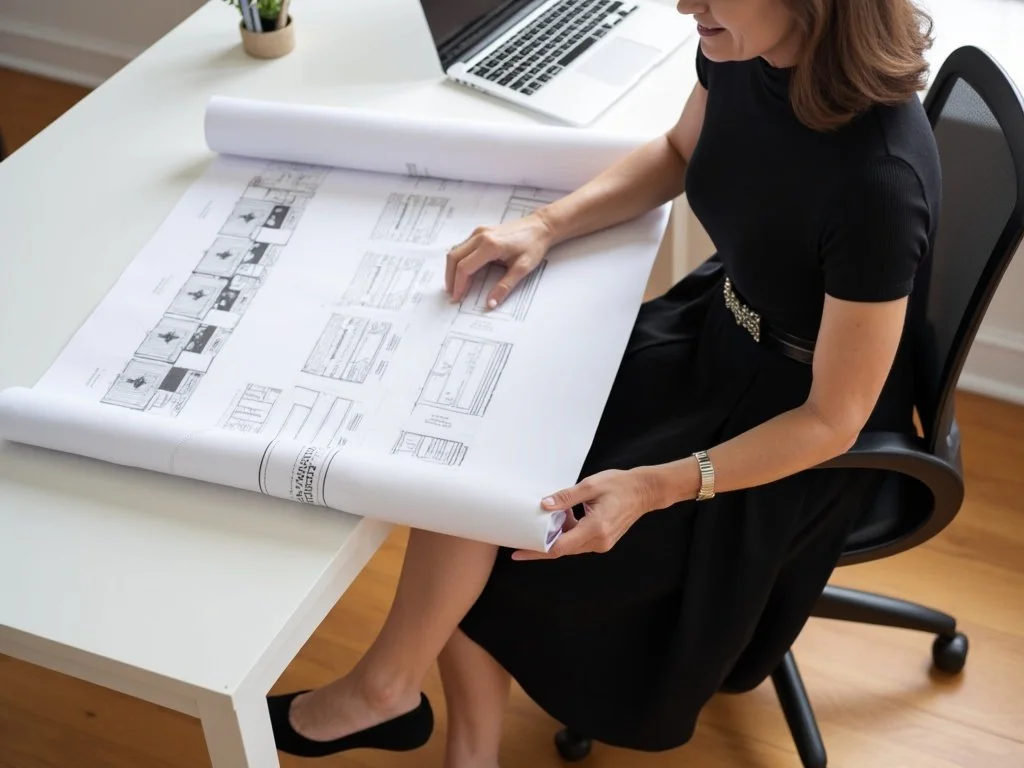
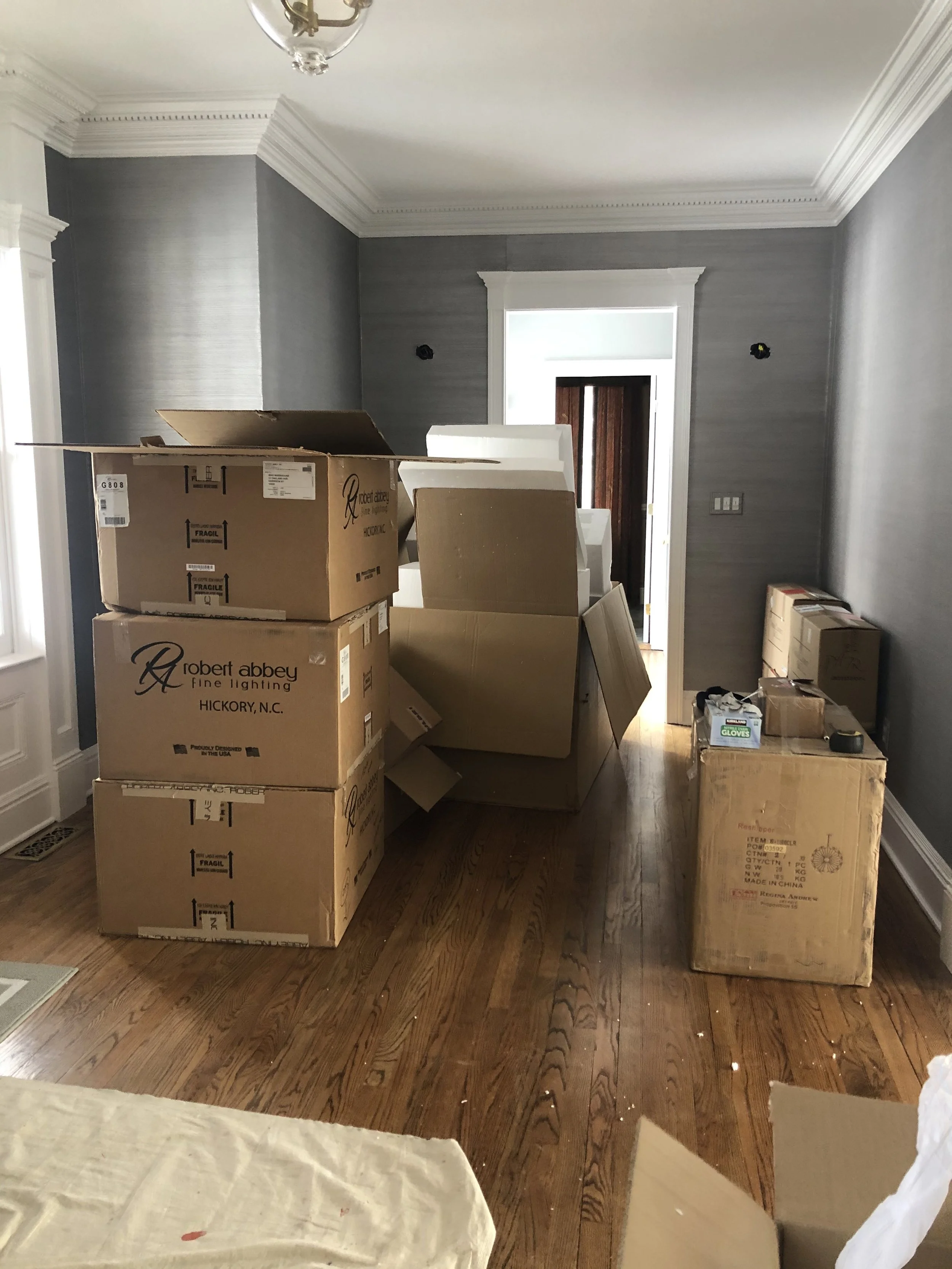
On a recent New Canaan renovation, I was brought in before the plans were final — before demo, before permits, before a single trade had mobilized. Which meant that while the project was still on paper, we worked out the questions nobody thinks of as design questions until they're answered badly.
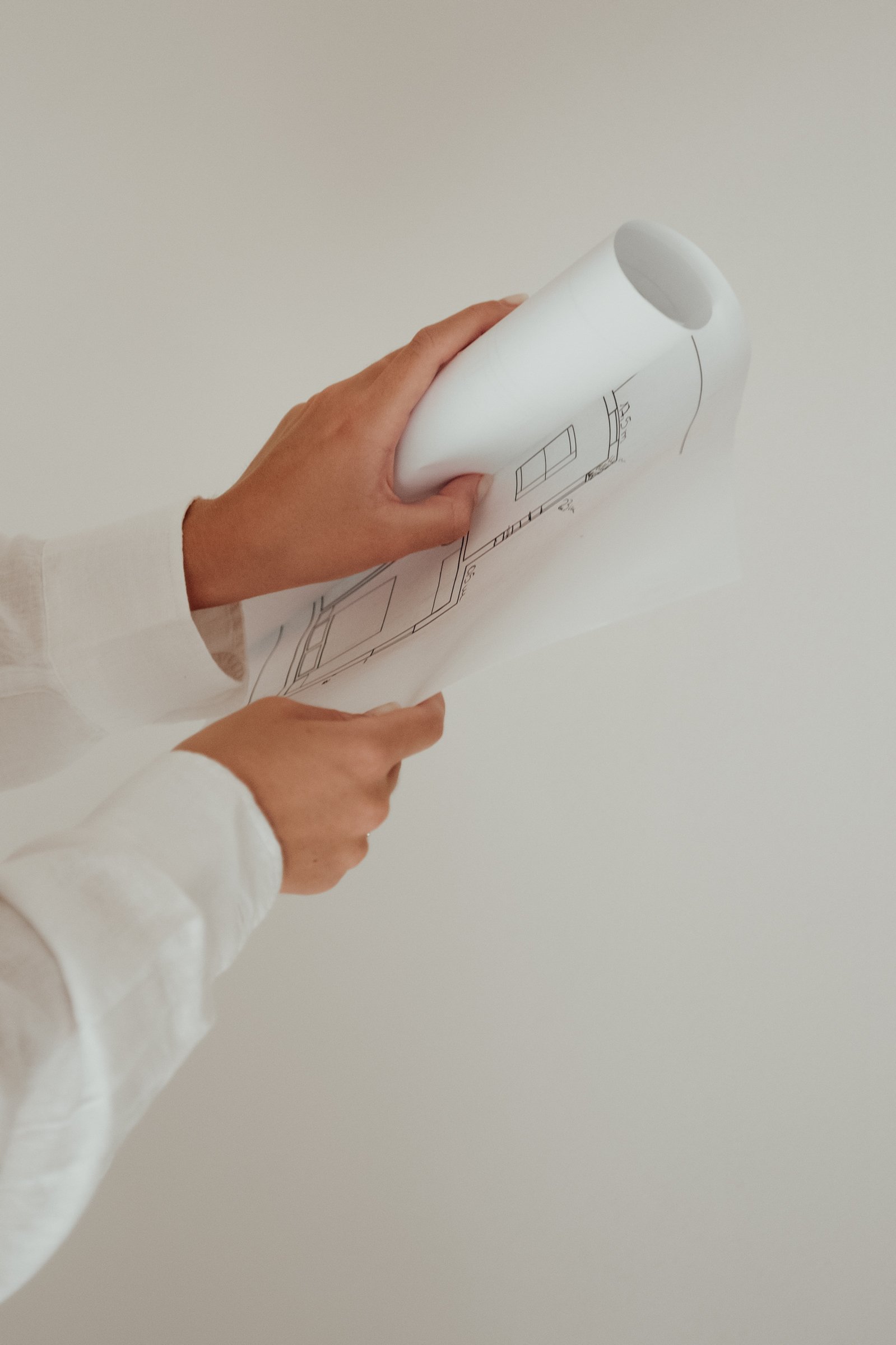
Where do the outlets go — not approximately, exactly — so they meet code, serve how the family actually uses each room, and don't end up centered on the one wall where a mirror was always going to hang? Does the plumbing stay or move — a decision worth a conversation on paper and a small fortune in a finished slab? Do the existing downlights survive the new layout, or are we about to spend the lighting budget preserving a ceiling plan that was designed for furniture that no longer exists?
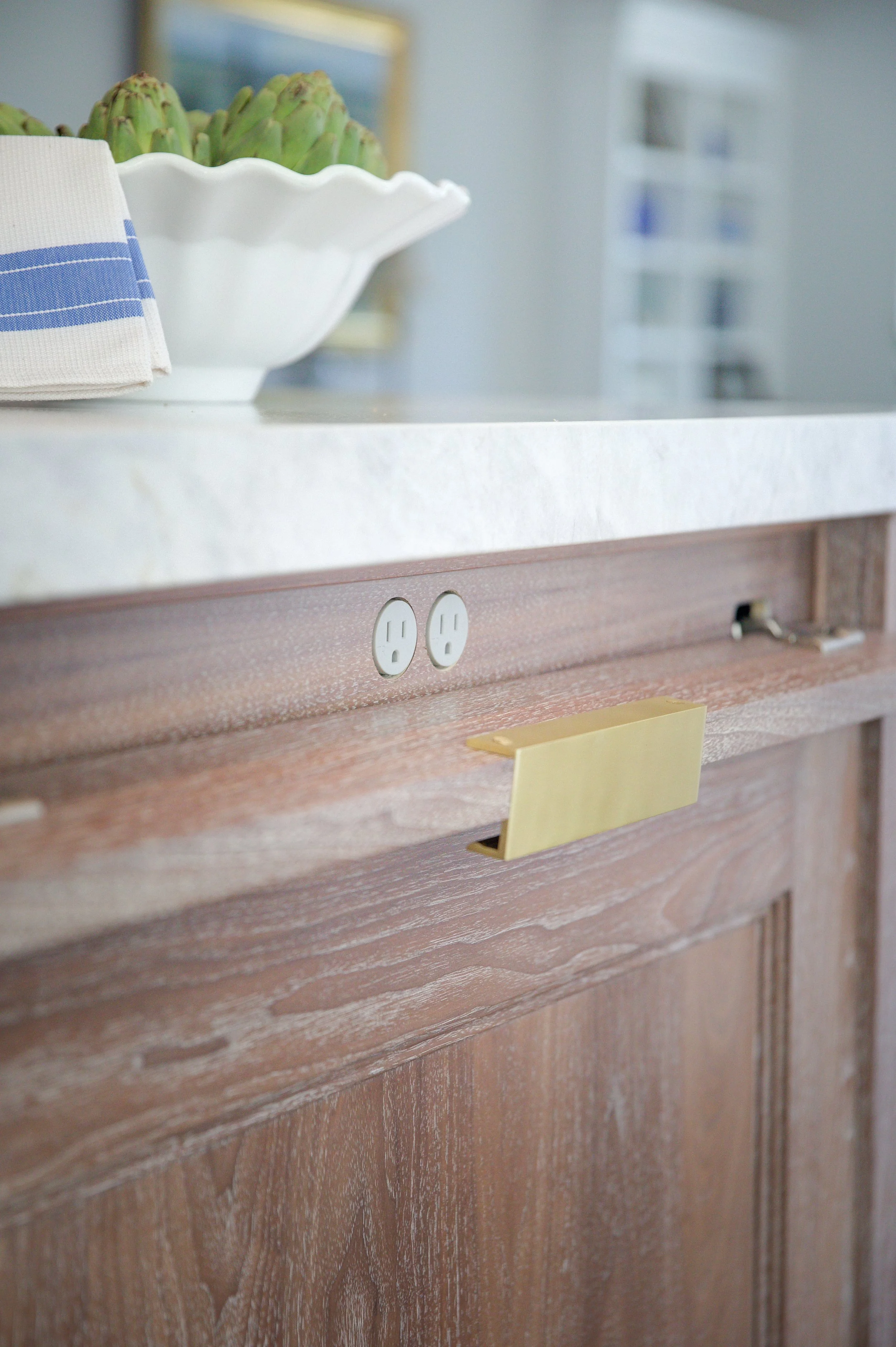
None of these are glamorous. No one photographs an outlet. But every one of them is a decision that costs a sentence before demo and a change order after it. By the time the contractor's team arrived, there was nothing to fight about — not with the electrician, not with the plumber, not with me. The trades had answers before they had questions. The project moved.
That's what early actually buys. Not control. The absence of the fight.
So yes — I'll keep asking to be early. Not because I need to approve everything. Most decisions on a project aren't mine to make, and I'm glad of it. The builder knows things I don't. The client knows things nobody else can.
But the questions that shape a house get asked exactly once, whether or not anyone asks them out loud. Where the walls go. Where the water goes. Where the light comes from. Ask them on paper, and they're design decisions. Leave them for the job site, and they're still decisions — just made by default, under schedule pressure, by whoever was standing closest.
When Should You Bring In a Designer?
I'd rather ask first. It's the whole practice, honestly, compressed to a sentence: the right questions first. The right room eventually.
Early is just where the questions live.
Get our free copy of ”Avoid These Seven Common Interior Design Mistakes, to Instantly Elevate Your Home”