Bringing Travel Home
The spaces that stop us cold when we travel share one quality — and it has nothing to do with style
The particular warmth of spaces that were built for human life
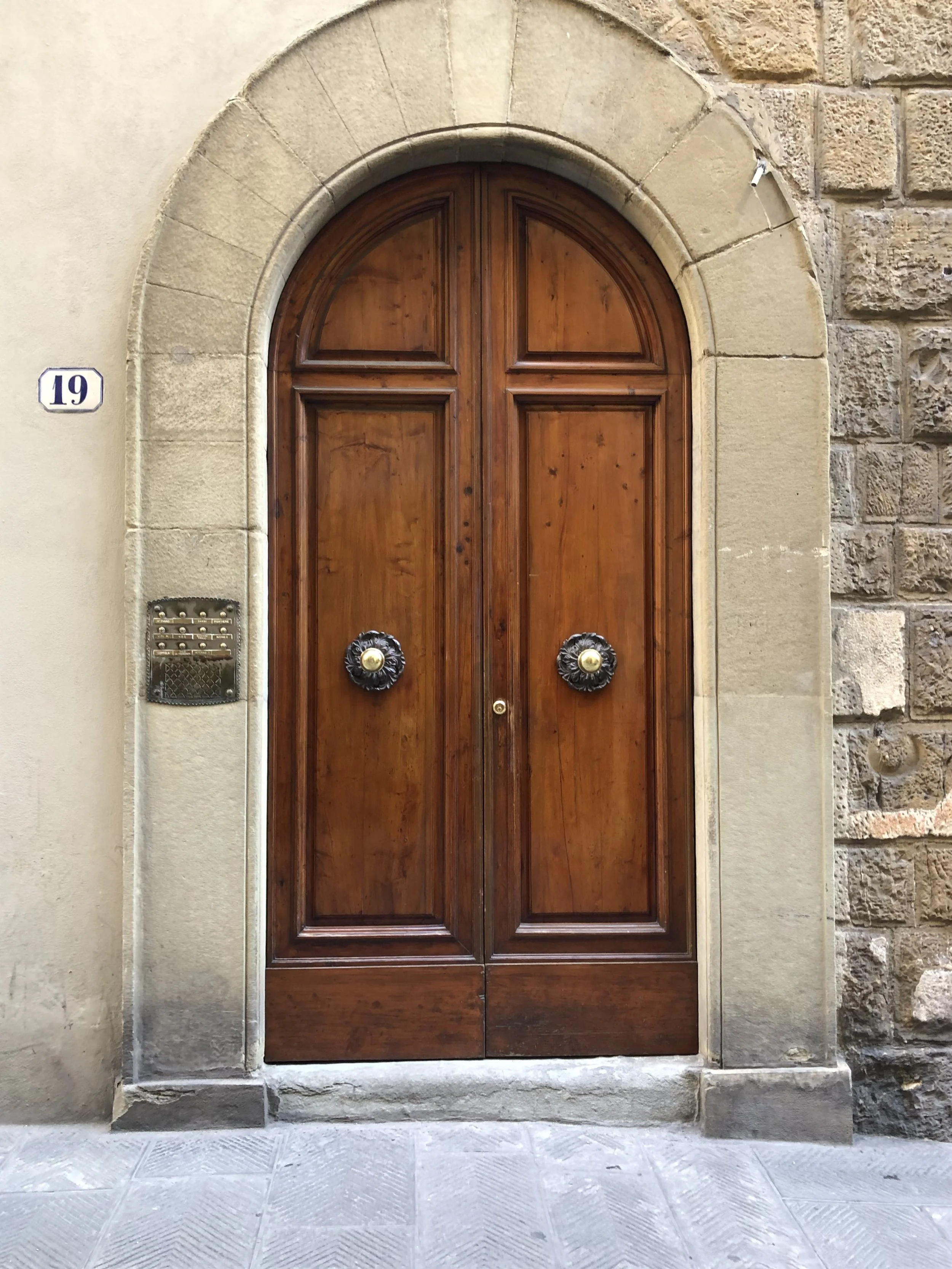
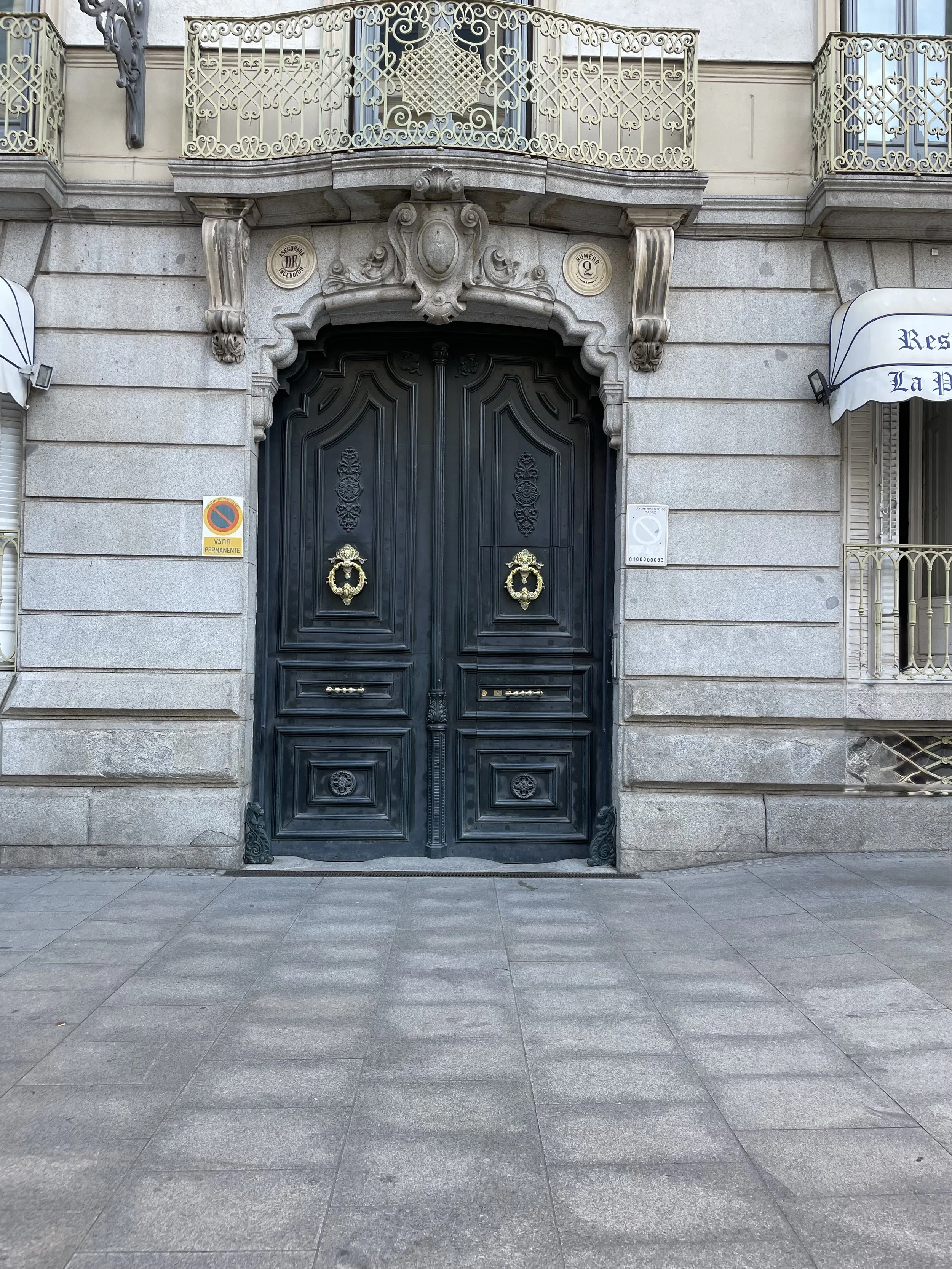
I have a thing about old doors. Not decorative doors — the kind you find in Madrid, enormous and centuries old, worn smooth in the places a thousand hands have touched them. Behind one of those doors, on a trip I still think about, was an apartment that stopped me completely. I’ve been trying to understand why ever since — and what it has to do with the homes I help people build.
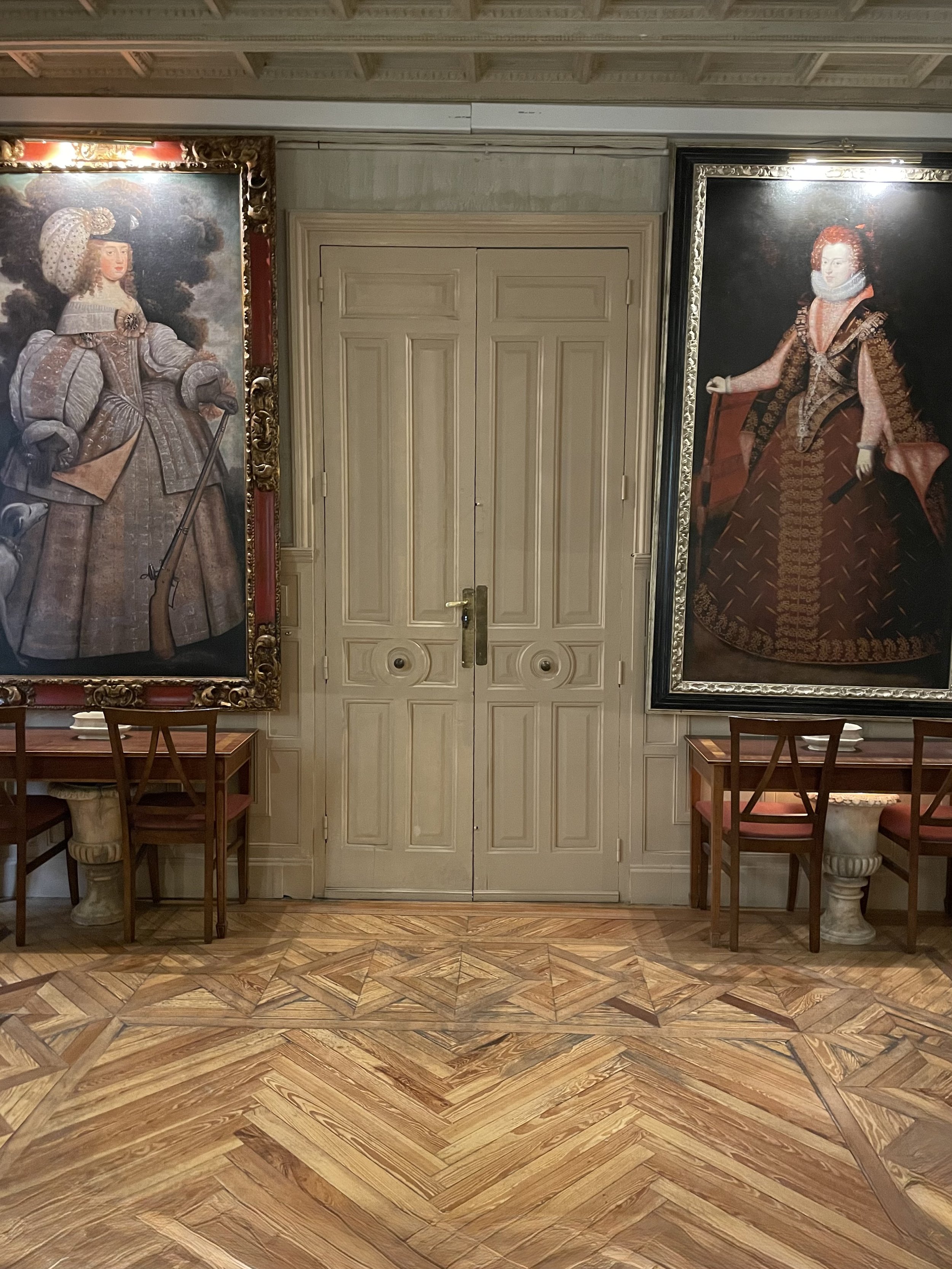
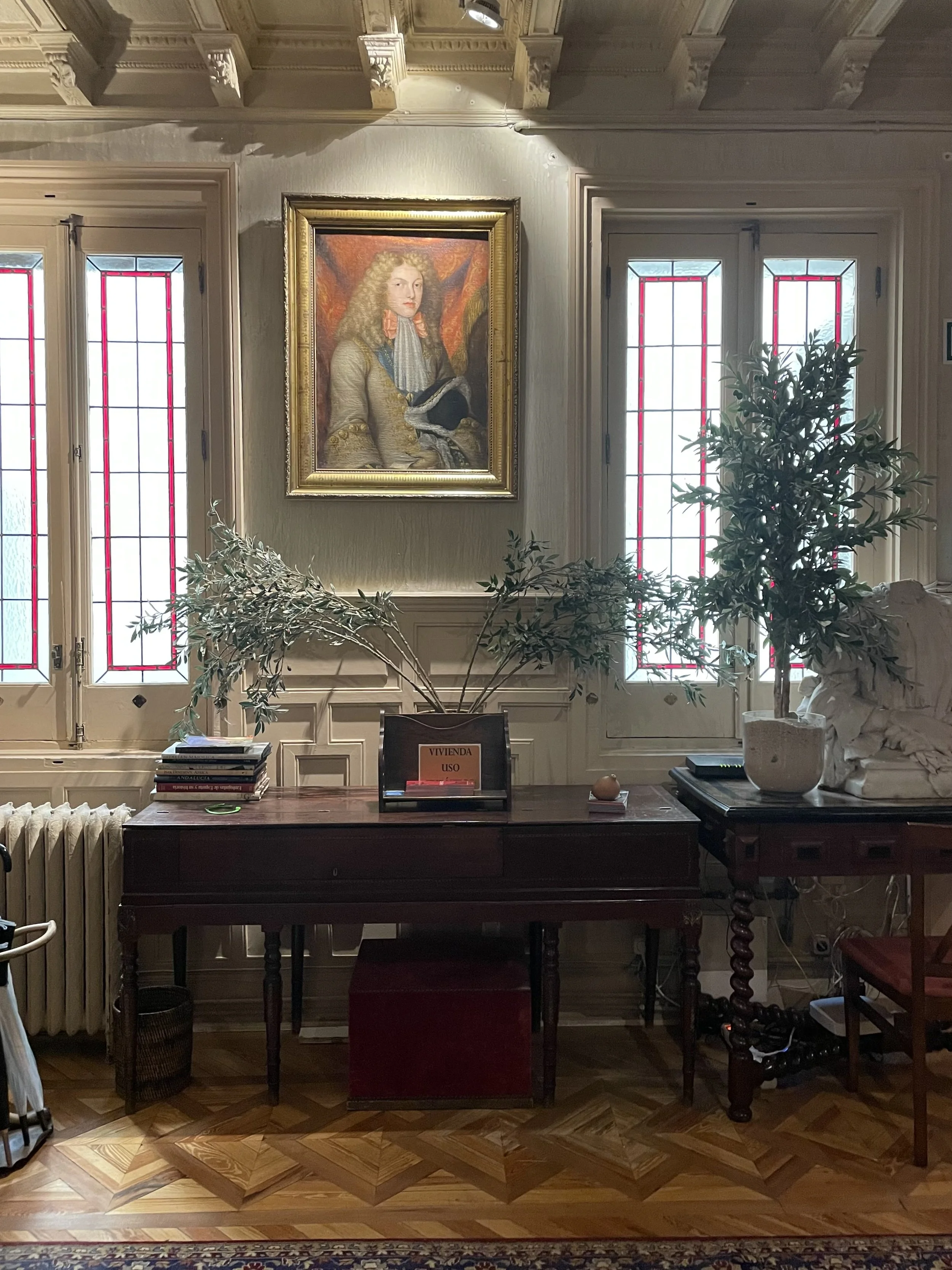
High ceilings. French doors. Juliet balconies overlooking a square where people were just living — coffee, conversation, the particular unhurried quality of a European morning. The Opera house across the way. Light moving through the rooms in that specific way that old buildings seem to understand and new construction never quite figures out.
I stood there and thought: this is exactly right.
I’ve had that feeling in other places too. A farmhouse in Chianti we return to when we can — stone floors, thick walls, the kind of quiet that settles into you after a day of too much noise. Taormina, where beauty feels almost unreasonable, where the view from a terrace makes you reconsider what you thought you knew about proportion and scale. San Sebastián, which surprised me completely — a sophisticated, elegant beach city with an almost Parisian seriousness about food and architecture and the quality of an ordinary afternoon.
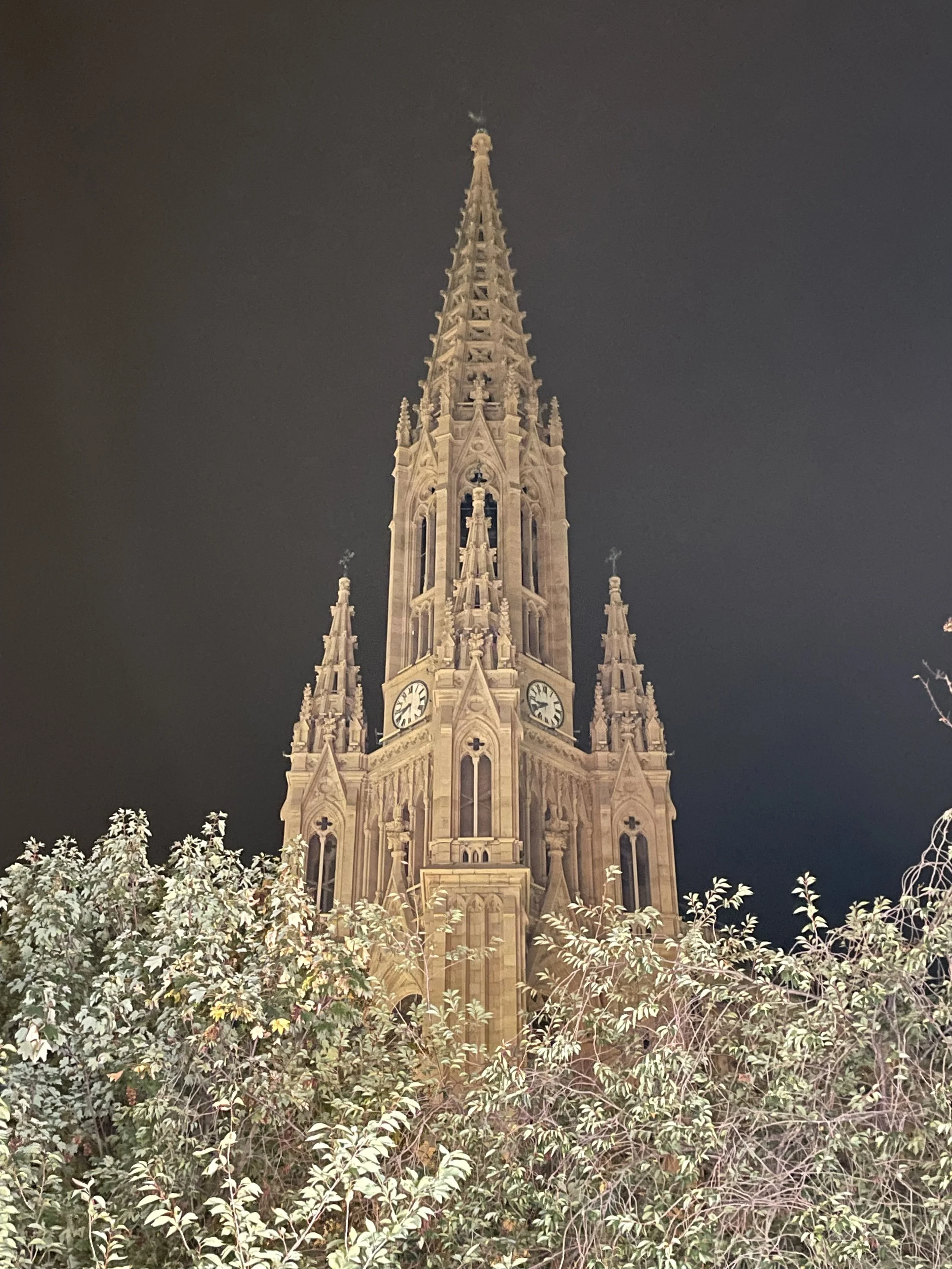
Every one of those places made me feel something I couldn’t quite name in the moment.
It took me a while to understand what they had in common.
None of them were trying.
That sounds simple. It isn’t. There is an enormous difference between a space that has been designed to impress and a space that has simply been lived in well. The Chianti farmhouse wasn’t decorated — it was accumulated, slowly, by people who understood what the land and the light and the stone were asking for. The Madrid apartment wasn’t styled — it was inhabited, over generations, in a way that left something behind in the walls.
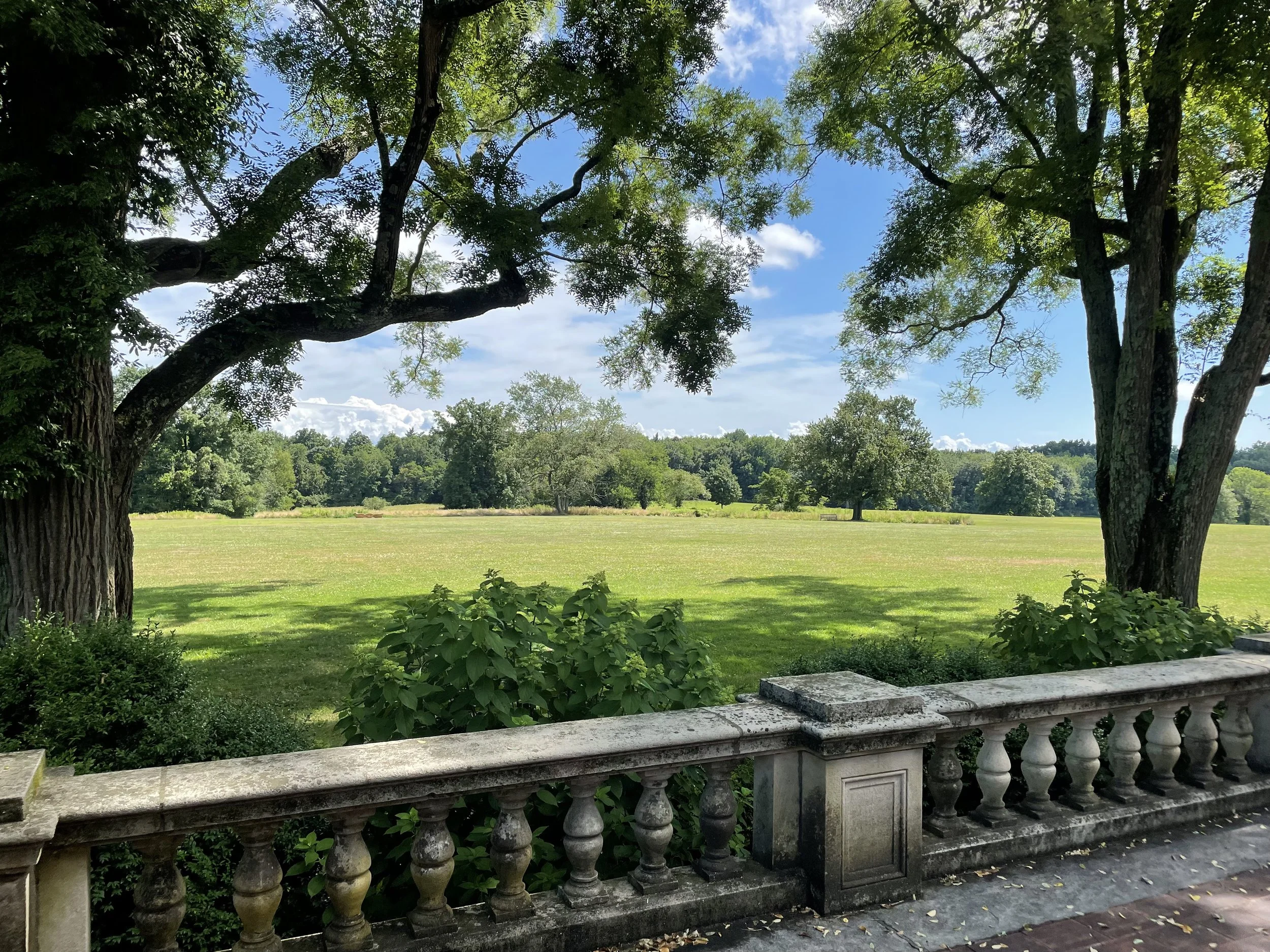
These spaces had history. Intention. A sense that every decision, made over decades or centuries, had been made in service of the life being lived inside them.
And they were completely indifferent to trends.
“None of them were trying.”
This is what travel teaches you, if you’re paying attention.
Beauty that lasts has nothing to do with what’s current. The farmhouse in Chianti is not concerned with what appeared in Architectural Digest last month. The apartment in Madrid predates every design movement you could name. San Sebastián’s old buildings were standing long before anyone thought to give a style a label.
What they have is something more durable than taste and more honest than trend.
They have character. Depth. The particular warmth of spaces that were built for human life — not for admiration, not for photography, not for anyone’s portfolio.
I think about this constantly when I’m working with clients.
Because most people have had that feeling somewhere. A hotel that made them exhale the moment they walked in. A villa they rented for a week that felt more like home than their actual home. A restaurant, a library, a friend’s apartment in another city that had something — some quality they couldn’t name but felt immediately.
And then they come home.
And the feeling evaporates.
Not because their home is bad. Not because they lack taste or resources or vision. But because nobody has asked the questions that those old buildings answer without even trying.
What does this space want to be? What does the light do here, and are we working with it or against it? What is the history of this place — not its literal history, but its character, its bones, what it’s asking for? Who lives here, and what do they need from these rooms at six in the morning and ten at night and on a Sunday when there’s nowhere to be?
The farmhouse in Chianti doesn’t have a design concept. It has an understanding. Of the land, the climate, the way Italians have always known how to live — slowly, beautifully, without apology.
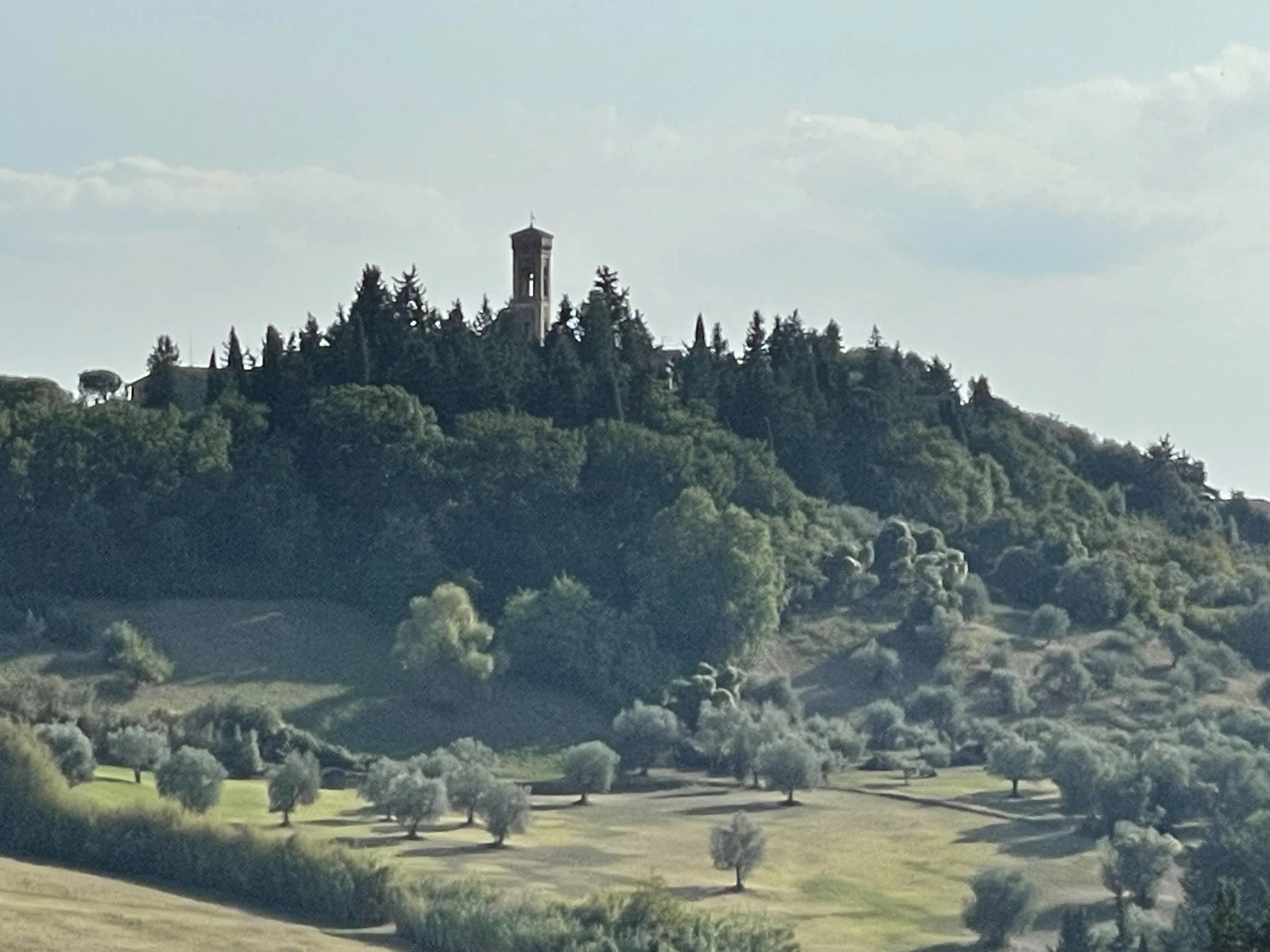
That understanding is what I’m always looking for in a project.
Not a look. Not a style. Not a reference image from a trip someone took.
The feeling behind the image. The quality that made you stop. The thing that was actually happening in that room in Madrid or that terrace in Taormina that made you think, even briefly — I want my life to feel like this.
I’ll tell you something that still makes me laugh a little.
I once fell in love with a door knob.
Not a house. Not a room. A door knob — the kind of small, perfectly weighted, entirely considered detail that stops you before you’ve even crossed the threshold. I stood there longer than was probably reasonable, turning it over in my mind, trying to understand why it felt so exactly right.
And then I looked up.
And fell completely in love with the house that went with it. Well maybe not completely-it needed a lot of work as it was in original condition from its’ construction in the late 1940s. But charm it did possess.
That’s not a coincidence. That’s what happens when every decision in a space has been made with the same care and intention — when nothing has been chosen carelessly or defaulted to. You feel it in the smallest things first. A knob. A hinge. The weight of a door as it closes behind you.
That feeling is not out of reach.
It just requires someone willing to follow it — all the way back to where it started, and all the way forward into the home it’s pointing toward.
The doors in Madrid were not the point.
But they were the beginning of understanding what was.
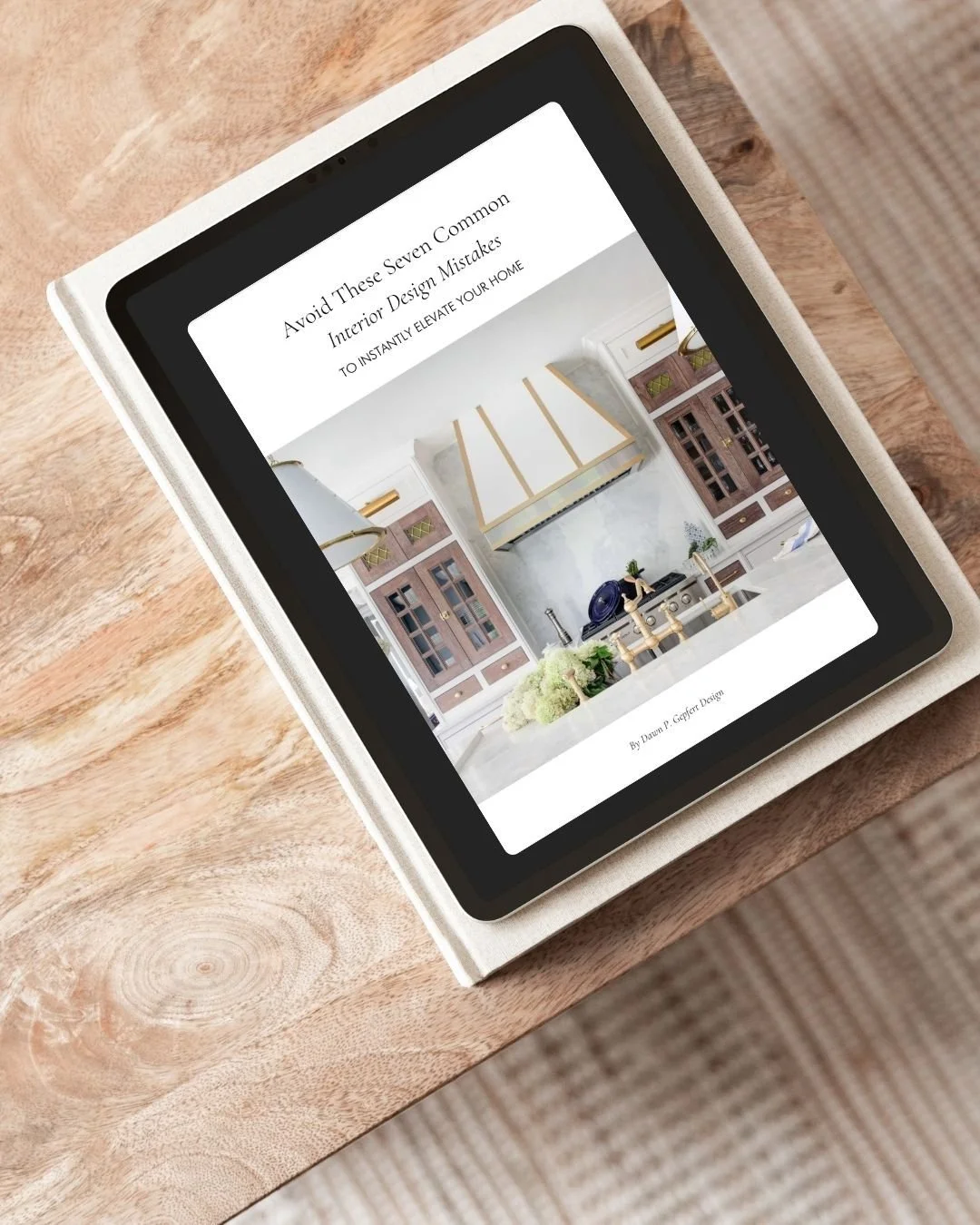
Get our free copy of ”Avoid These Seven Common Interior Design Mistakes, to Instantly Elevate Your Home”