What One Conversation Can Do: The Case for a Design Consultation Before You Spend Another Dollar
The cost of living with a room that doesn't work is higher than most people realize. On why one focused conversation is often the most valuable design investment you can make.
The Room Nobody Talks About Anymore
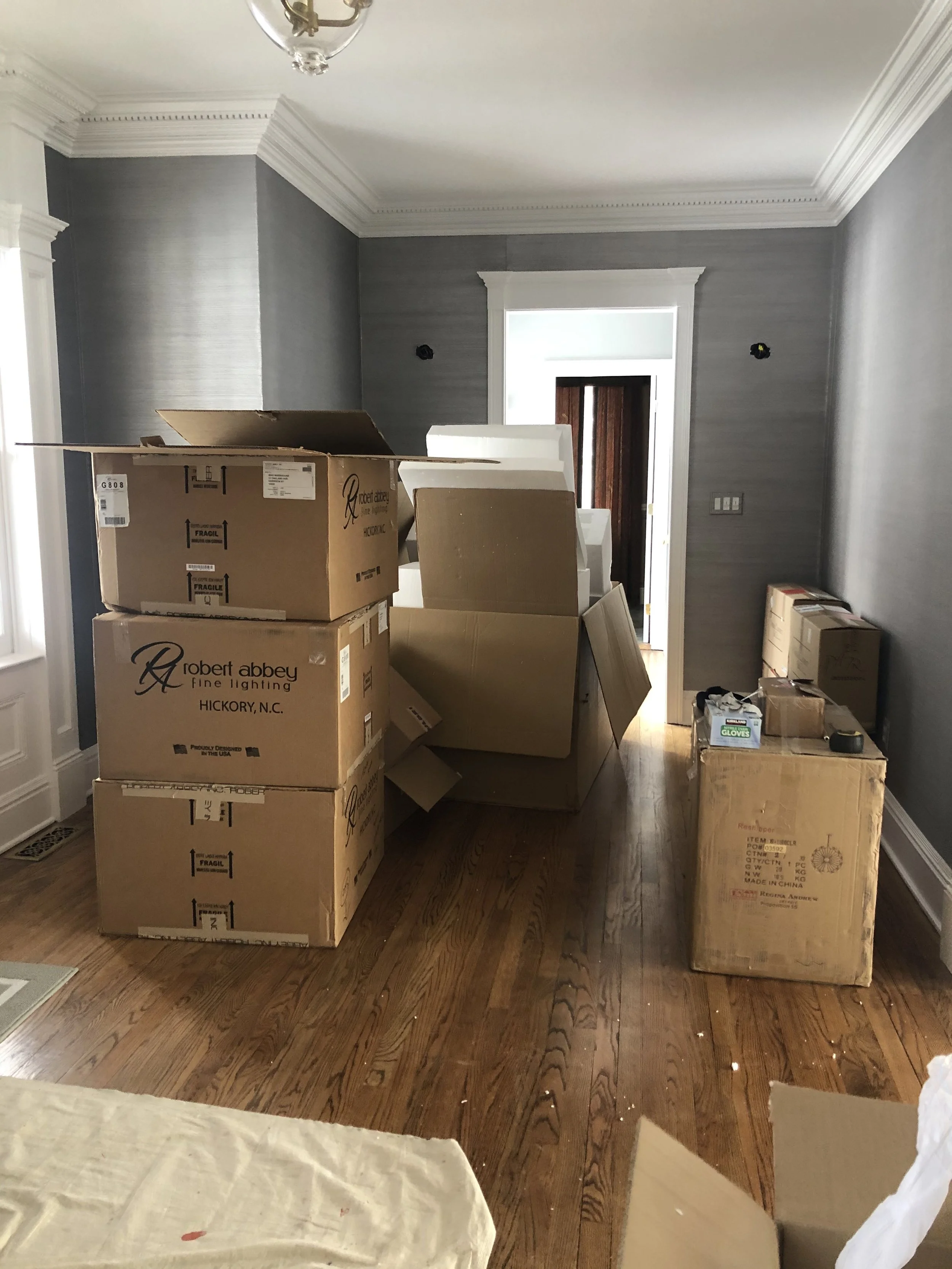
There is a room in almost every home I visit that nobody talks about anymore.
Not because it isn’t there. It is very much there. It shows up in the tour — the one where the homeowner walks me through the house pointing out what works and what doesn’t, what’s finished and what isn’t, what she loves and what she has quietly made her peace with.
And then we get to that room, and something shifts almost imperceptibly. The explanation gets a little shorter. The hand gesture is vague. “We just haven’t figured that one out yet” is the most common thing I hear, delivered in a tone that suggests “yet” stopped being accurate some time ago.
She has lived with it for two years. Maybe five. She has bought things for it and returned them. She has repainted it once, possibly twice. She has looked at it so many times that she can no longer see it clearly — which is part of the problem, and also entirely understandable.
At some point, the mental energy required to keep trying exceeds the discomfort of leaving it alone. So she leaves it alone. She closes the door, literally or figuratively, and gets on with everything else.
The Cost of Not Deciding
What I want to say to her — what I find myself saying more and more — is this: the cost of not deciding is higher than you think.
Not financially, though there is that too. The carrying cost of a room that doesn’t work is real — the furniture that sits wrong, the lighting that was never right, the finish decision that gets deferred another season because nobody has clarity on the direction yet.
But the cost I mean is subtler and more persistent. It is the low-grade friction of living with something unresolved. The way an unsettled room pulls at your attention even when you’re not in it. The slight deflation that happens when you walk past it. These things accumulate. They are small, and they are constant, and they are entirely solvable.
That is what a focused consultation is for.
What a Focused Consultation Actually Is:
One Hour vs. A Full Day: Which One Is Right for You
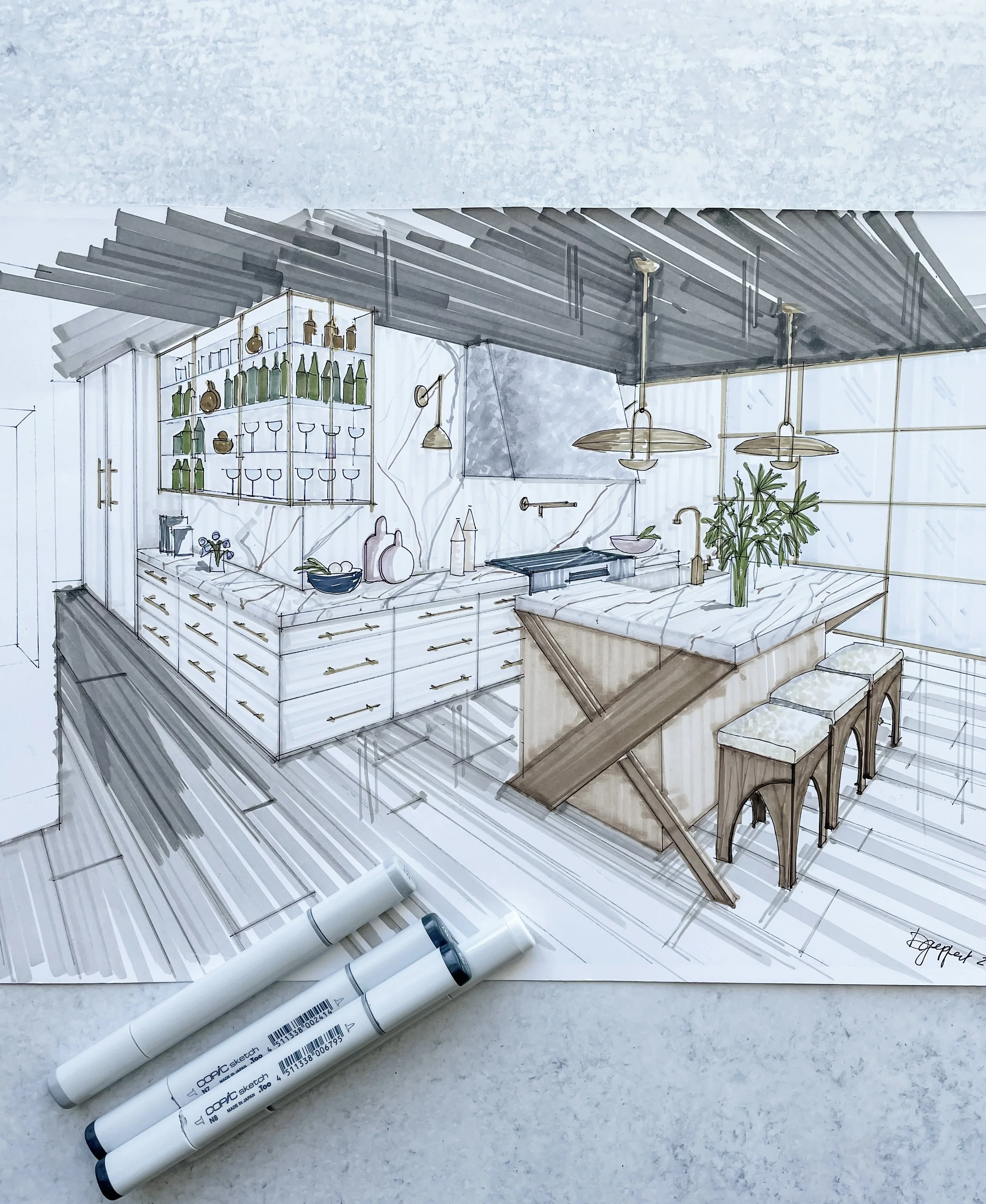
Depending on where you are with a project, that looks like one of two things.
If you have a specific, bounded problem — a finish decision you can’t commit to, a furniture arrangement that isn’t working, a paint color that has defeated you for longer than you’d like to admit — a one hour consultation is often exactly what it needs.
One hour of focused professional attention applied directly to the thing that is stuck. Not a mood board, not a shopping list. A clear answer and a specific direction so you can stop circling and start moving.
If the project is larger — a room or a space you are trying to pull together yourself but can’t quite get there — a design intensive is a different kind of conversation. We spend a full day working through the space together.
We look at what you have, what you need, what the room is actually asking for, and we build a plan specific enough that you can take it and execute it with confidence. You leave with clarity, direction, and a workable approach. Not more options. A plan.
What You Leave With
Both of these exist because I believe that access to professional design thinking should not require a full service commitment. Some projects don’t need that. Some clients aren’t ready for it. And some problems are genuinely solvable in a focused conversation with someone who has spent thirty years learning how to see what others have stopped noticing.
Clarity Is Its Own Form of Luxury
Clarity, it turns out, is its own form of luxury. And most people are far more starved for it than they are for more options.
You don’t need to have the whole project figured out. You don’t need a budget finalized or a contractor lined up or a clear sense of your style. You just need the room, and the willingness to look at it with fresh eyes.
One conversation. One clear path forward. That is what the right next step looks like.
The right questions first. The right space follows.
If you have a room you’ve stopped trying to fix, or a project you’re ready to finally move on, both services are available on my website. One hour for a focused problem. A full day for a fuller plan. Either way, you won’t leave without knowing exactly what to do next.
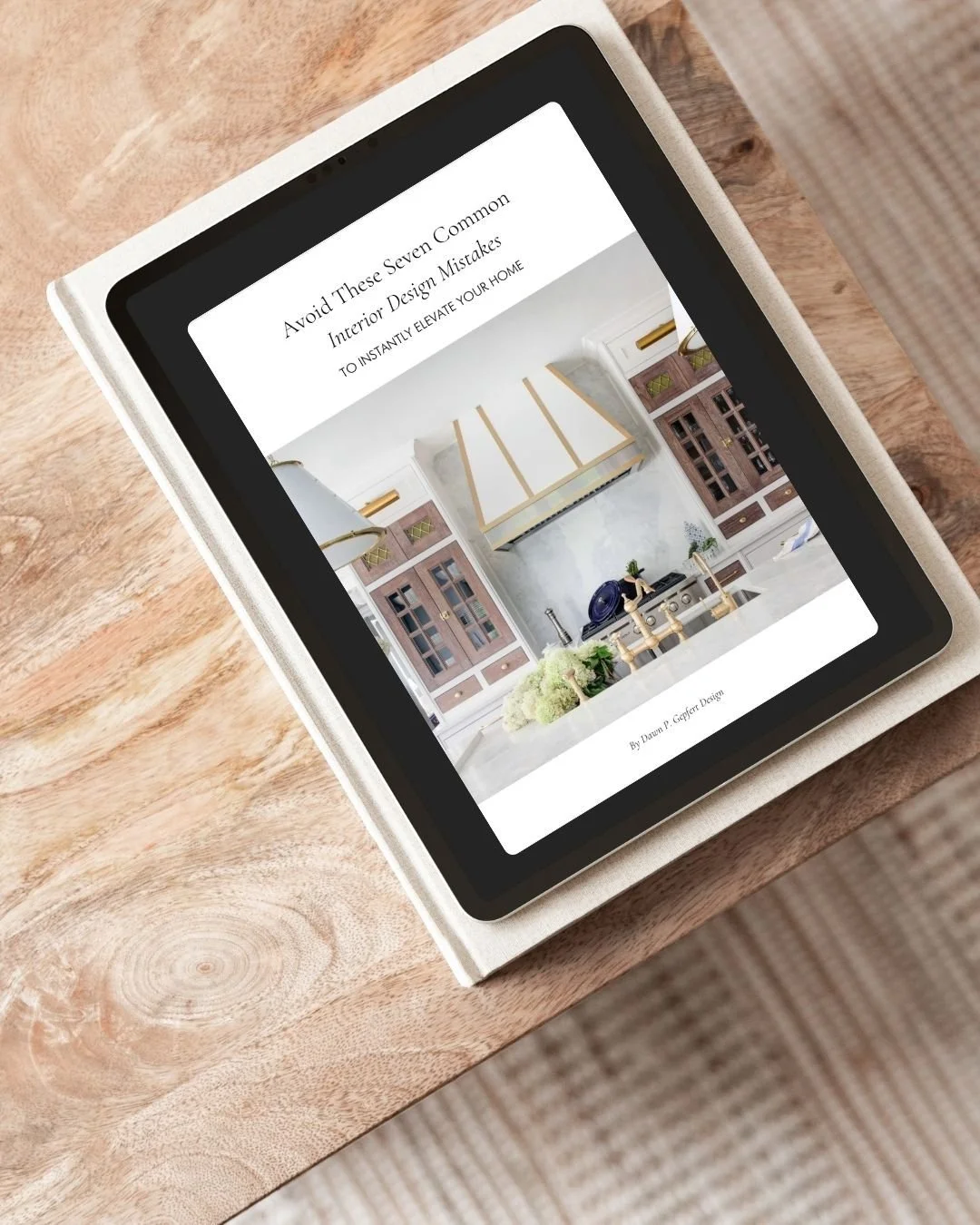
Get our free copy of ”Avoid These Seven Common Interior Design Mistakes, to Instantly Elevate Your Home”