4 Things to Expect When Hiring an Interior Designer
Have you ever wondered what exactly interior designers do for their clients? I know how utterly confusing it can be to hire an interior designer. The internet and social media are canvased in so much information, much of it conflicting and a lot of it just wrong. It’s easy to be confused. I am going to break down some services that interior designers can provide.
I would say that there are four broad overarching services that interior designers provide, functional design, aesthetic design, procurement services, and project management. Each of these is part of the interior design process. But first, we need to distinguish between interior designers and decorators.
The Difference Between Designers and Decorators

Many people use the words designer and decorator interchangeably. However, there is a big difference. It used to be that decorators were individuals who worked primarily on the decorative aspects of a space and soft goods such as window treatments, furniture, color, and upholstery.
And while designers also do some of those same things, the breadth of their knowledge and experience is quite large.
“ An interior designer is a professional who has acquired the expertise, knowledge, and skills, through a combination of education, experience, and examination, to create interior environments that meet the requirements of and present solutions for their clients. They have extensive knowledge of current codes, standards, and regulations and adhere to these in their work, while paying strict attention to the importance of accessibility, functionality, health, safety, and welfare to their clients.”
—Cidq-council for Interior design qualification
And yes, they make interiors beautiful too. What you can expect from your designer is greatly dependent on who you hire.
Are you hiring a professional who meets the definition above or someone who provides mood boards and decorative things?
So, depending on your needs and goals, you need to choose the appropriate professional for the job.
Functional Interior Design
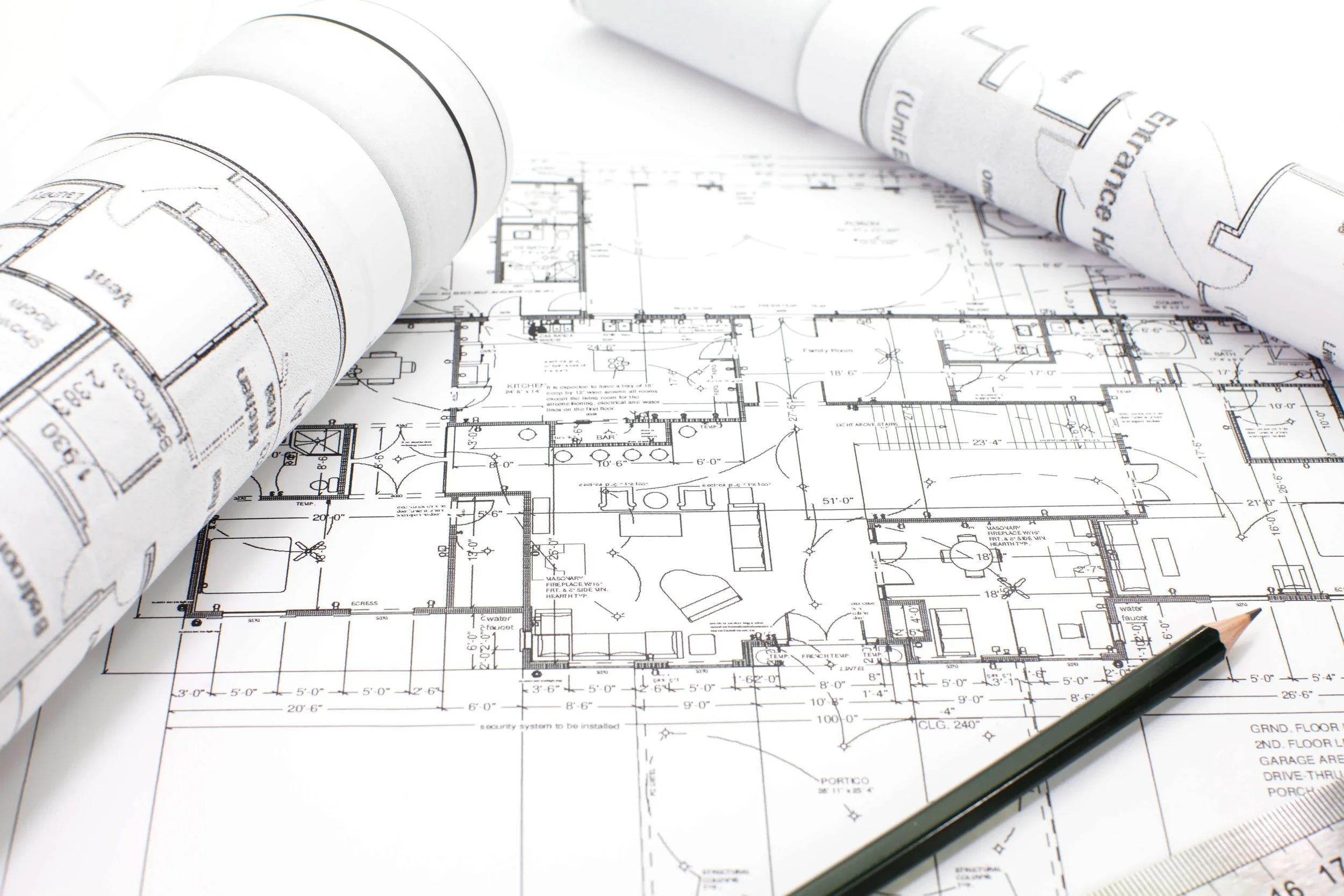
We all love to look at beautiful interiors--hence the crazy popularity of Instagram and Pinterest. But, without a strong functional foundation, even the most lovely space will not be satisfying and pleasant to be in.
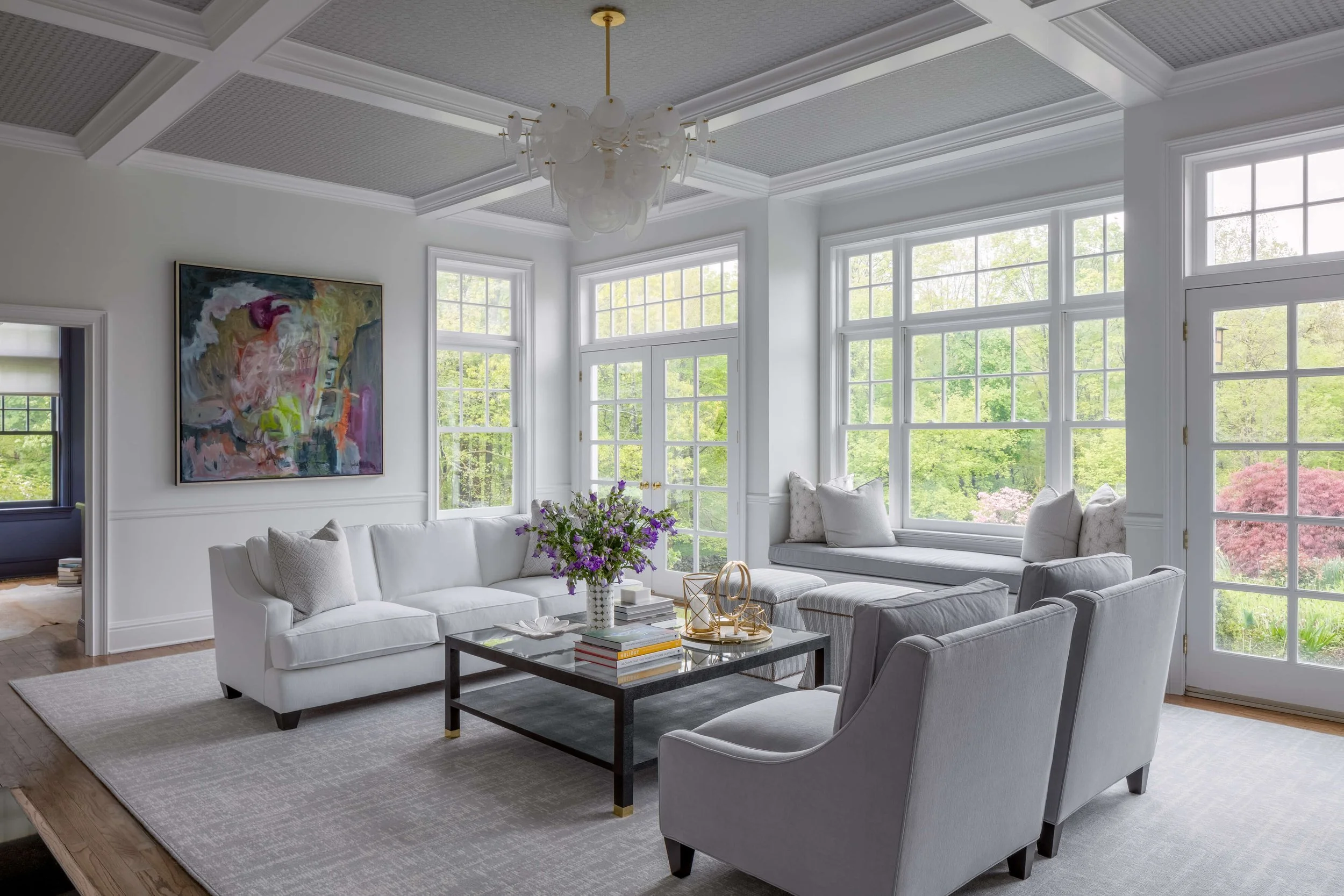
Successfully designed spaces must meet functional requirements as well as be aesthetically pleasing.
I am sure we have all had the experience of spaces that really are not functional-like a kitchen where the oven door blocks the traffic flow or a view down a hallway that perfectly frames the commode, laundry, or utility spaces that are inconvenient places.
Are things built or installed at the proper heights? If you have ever banged your head on an overhead vent hood you will know the answer to this.
Not all functional issues are layout-related, some can be the wrong choice of materials. You may love unhoned marble countertops but are you ready to be a slave to wiping up anything that spills on it before it stains?
Or maybe you love the look of all-white furniture but have 3 little boys and a large dog, how might you make that work without the pieces always looking dirty.
You can achieve your aesthetic goals while still creating a functional and healthy environment but it is important to establish those goals at the very beginning.
Interior Design Aesthetics
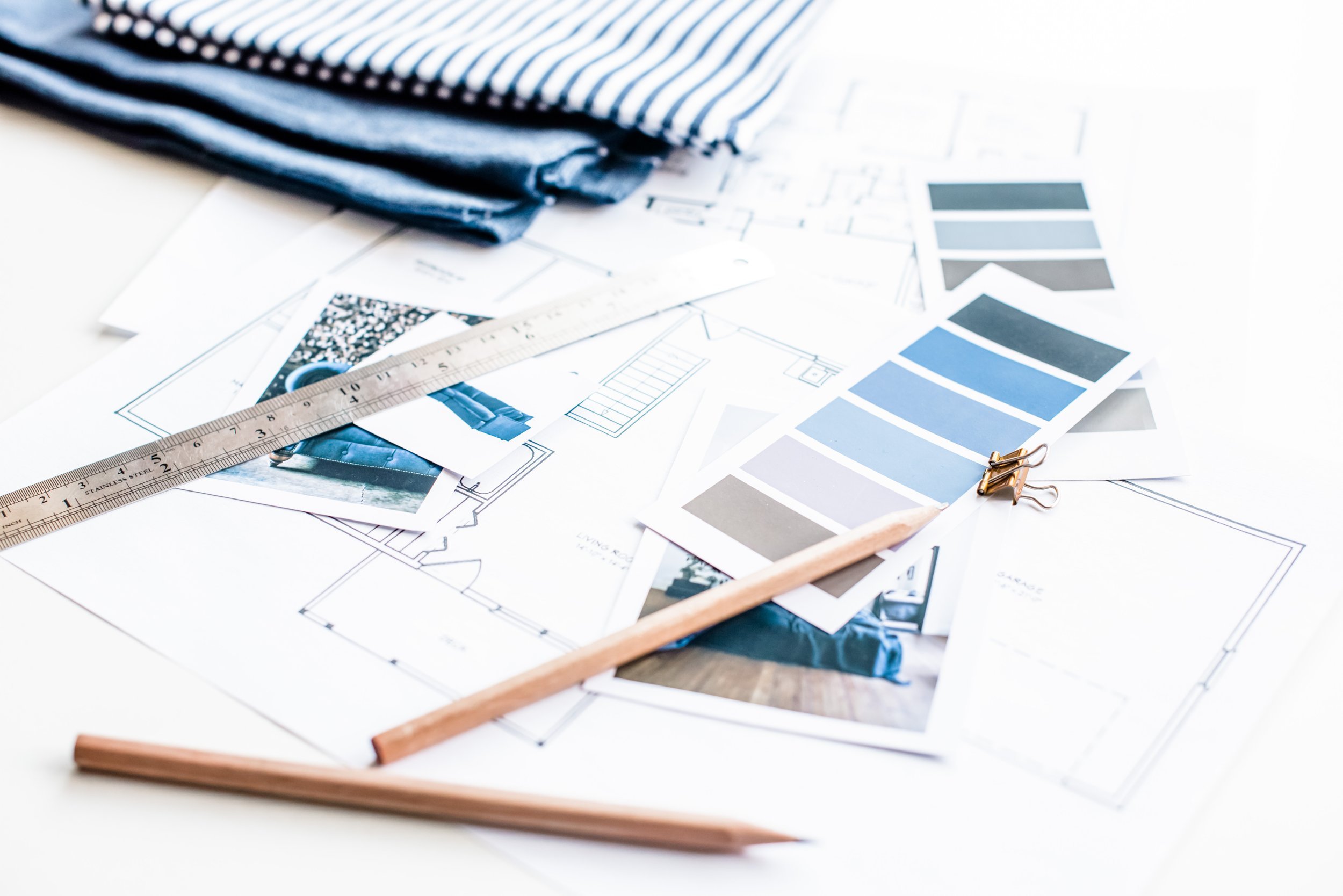
There are principles of design that guide the direction of design. They are simple and yet challenging. To the average person they are just words but to those who are trained, they are the tools in which space comes to life.
One of my favorite quotes comes from a long-time blogger and photographer of interior spaces, Holly Becker of Decor8. It was in reference to photographers and does own a camera makes you a photographer any more than owning a guitar makes you a musician.
The difference between improvisation and composition:
“Improvision is unconsciously creating, knowing a little, winging it, emotional and intuitive. Composing is being aware of rules, you can replicate your style,something that you can go back to again and again”.
And with the design, this is also true. When you fully understand the elements of design you can use them as tools that you are able to shape and create over and over again with a successful result each time.
Whereas winging it might work once in a while or if it is to only please yourself, it is not a repeatable process for creating spaces for a client.
In having this process, designers are able to focus on creatively solving each client’s unique design problems in an aesthetically pleasing manner.
Purchasing Furniture and Fabrics Through an Interior Designer
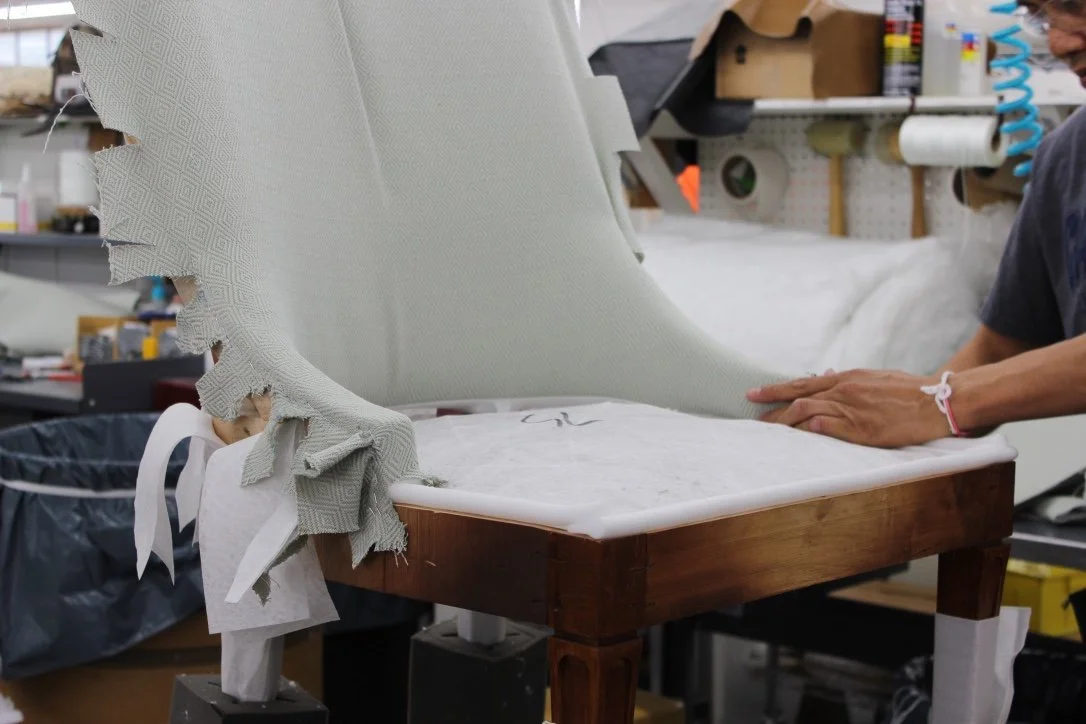
There are many designers who only design and do not purchase products for clients. This is the norm in the commercial design world for a variety of reasons.
There are commercial dealers who are solely dedicated to procuring furniture for commercial clients after the design team has submitted written specifications.
In the residential design market, the designer usually provides procurement services. In the old days, decorators exclusively purchased all products for their clients.
Today, there are many ways in which to purchase products for the home. There are retail stores, online stores, big box stores, etc…
While there may not seem to be a difference on the surface to a homeowner, there are some compelling reasons that it makes sense to purchase through a designer.
1. Interior designers have access to “trade” and unique pieces.
Designers have access to almost unlimited products. Most stores only carry a small curated number of products and you usually are stuck with whatever finishes or fabrics have been chosen for you by the vendor or store.
When you purchase through a designer, you will be getting the specific pieces in the correct finishes that the designer intended when creating the space.
.Designers have years of culled resources to find the perfect pieces for your space.
And when an existing piece isn’t quite “right”, we can have a custom and bespoke piece made or reimagined just for you.
After all, that is part of the magic of working with a professional designer-it’s having a space that is unique to you-not like a big brand furniture vignette.
2. Interior designers save you time.
It is no joke the time it takes sourcing products. Unless you have hours a day to spend combing the internet looking for “similar” pieces or going out in real life and combing retail stores and auction houses and then dealing with the lead times, delivery, etc….you may want to let that go.
Look, we do this all day long. We know how to source and find objects to complete your design--and it still takes a lot of time-
not to mention the amount of time tracking every item that goes into your newly designed space.
Your time could be spent in more profitable and enjoyable activities.
3. Interior designers save you money.
Yes, that’s what I just wrote. This may sound counterintuitive to you but, designers are able to bring better value to the items that they purchase.
Interior designers save you money by getting the most value from your investment.
For example, if you were to buy a $6,000 sofa from a popular chain home store, do you know the quality of the sofa you are buying?
If you were to spend the same amount of money or even less, you could know that you are getting a quality sofa with your choice of any fabric, customized to fit the space designed for you. Designers can get you the best value for your budget.
Speaking of budget...
One of the most important things when working with a designer is having a budget.
The budget needs to be discussed at the earliest possible time in a project and reviewed periodically. Spaces can be designed in a variety of budgets.
A realistic budget is important. By realistic, I mean how well a client’s expectation matches the financial reality of their budget.
In other words, if you expect a very high level of finish and product but your budget doesn’t match, compromises will need to be made- either value engineering or increased budget.
A seasoned professional designer will help you in choosing alternates when needed and prioritize the most important items to invest in.
Be aware that there is a minimum budget or expenditure to actually create a project. Being realistic, while not very romantic, is necessary. There are no furniture fairies sprinkling custom-made mohair chairs around the planet.
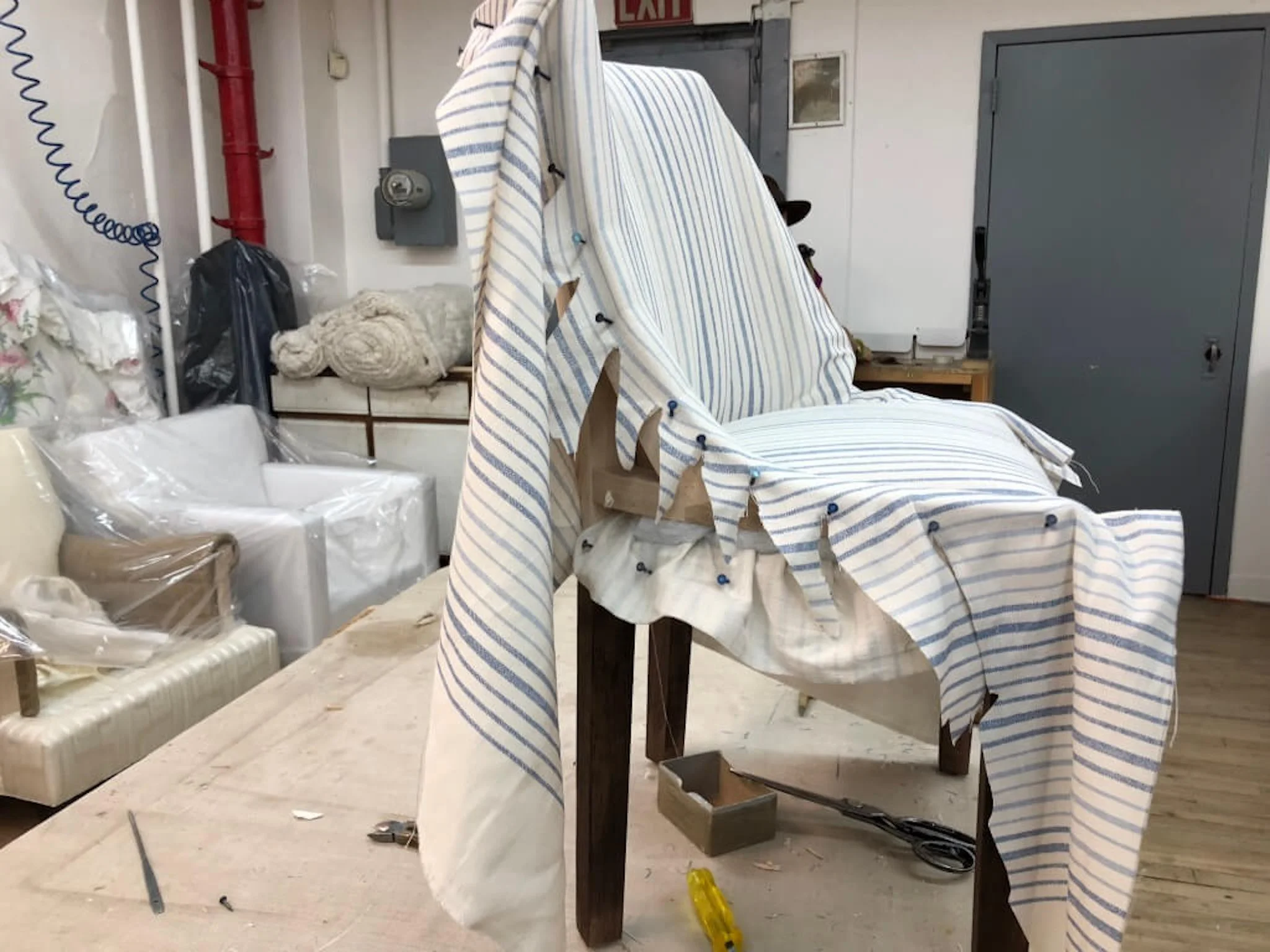
4. Interior design is a luxury experience
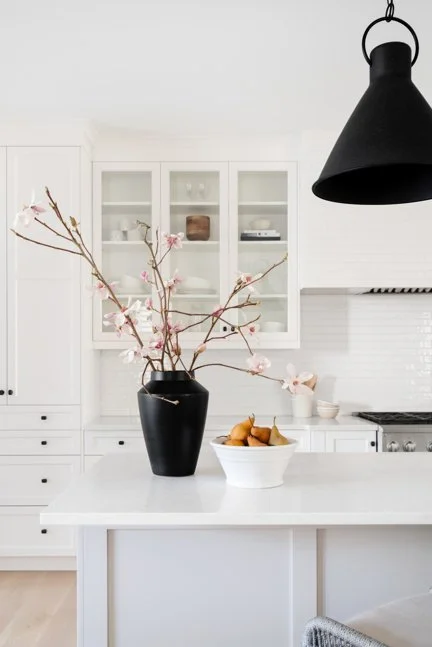
The favorite part of every full-service project is the big reveal. This is the big day when you walk into your space completely finished down to flowers and candles and champagne chilling.
Part of the process is also the experience. Designers take the time to really listen to your needs and desires and create a home that is beautiful, functional, and healthy. And while this finished project is the goal, the journey is as important.
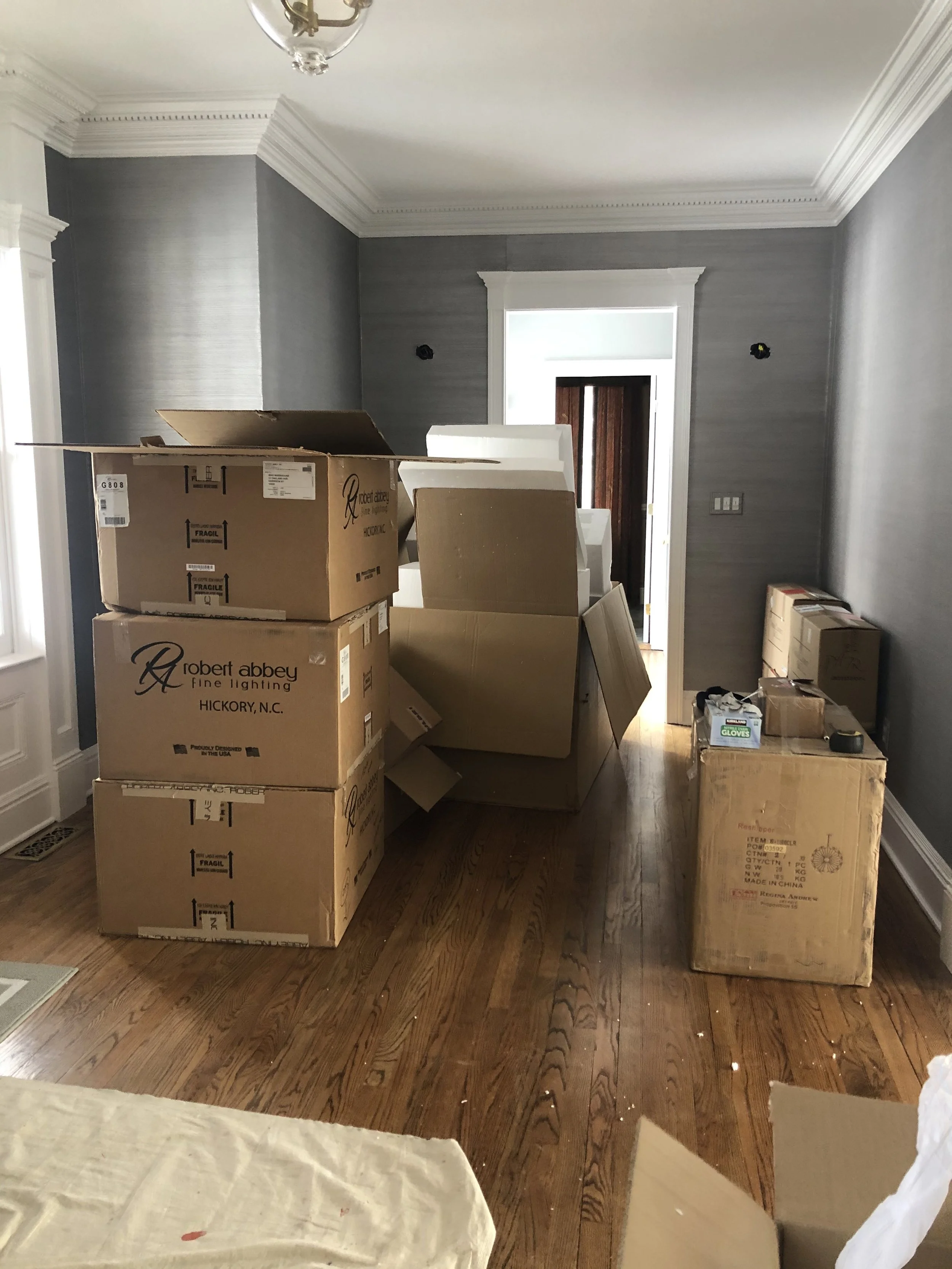
Interior designers do the heavy lifting and deal with getting all of your goods in good condition delivered right to the spot they need to be. They make sure it is styled and artwork hung, all of the mess is cleaned up and all you have to do is pop the champagne.
It is quite a different experience than loading your car up and schlepping all over town, dragging things into your home only to find they don’t look quite right. Then you have to schlep them back...or worse, you are stuck with them.
Interior Design Project Management
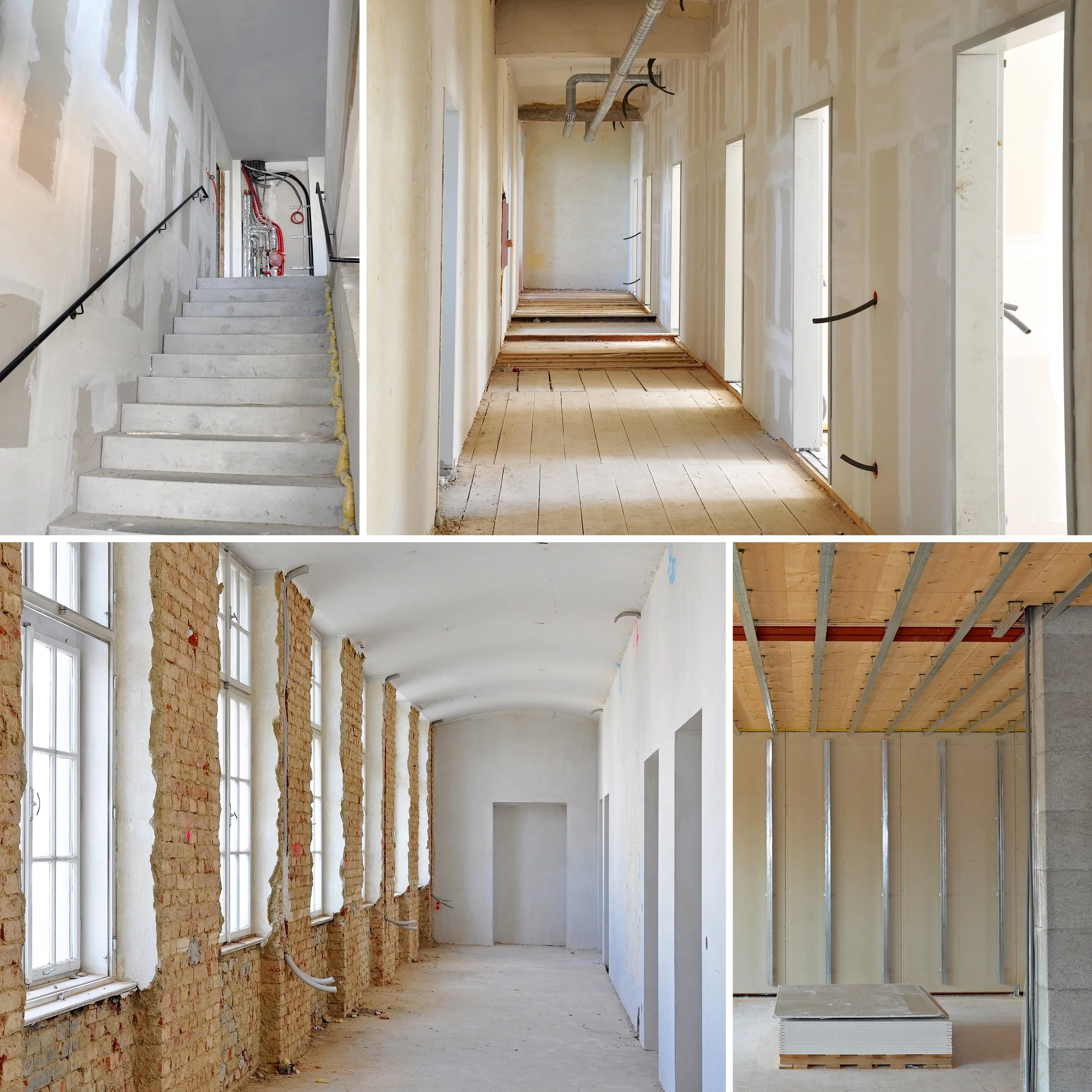
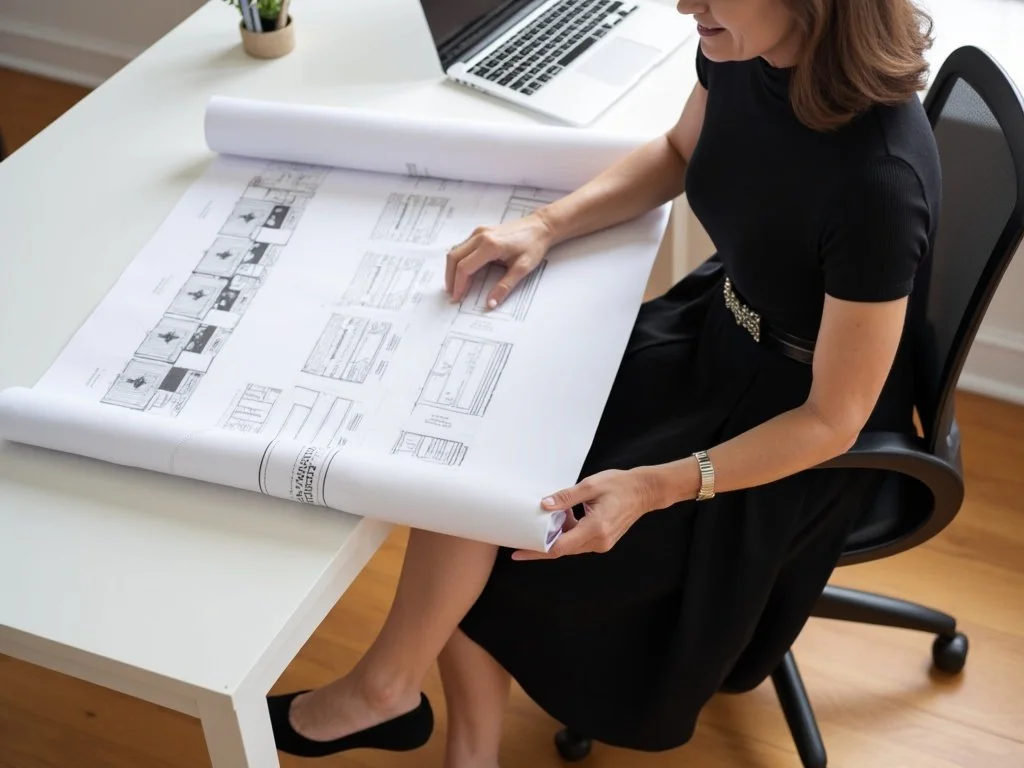
Depending on the size and scope of your home design project, someone is going to need to oversee the construction of the project.
Now I am not talking about the general contractor. His concern will be making sure his subs do their jobs and running the job site.
However, your contractor has his eye on his interest in the projects. Who will be making sure that the design that you have worked so hard on is actually carried out--especially the details?
Having your designer interact on a regular basis with the contractor can help ensure that the project is being carried out as designed.
Of course, having good construction docs and clear communication can help, but ultimately, you want to be aware of any changes or challenges before it becomes an expensive thing to fix or change.
Also, many times it is not until demolition occurs or a wall is opened that a problem is detected and a remedy needs to be figured out quickly so as to not slow down construction (which can have its own way of doing that).
It also means that you do not need to be jumping from whatever you are doing to deal with what might be happening on a job site.
With your designer involved in project management, you have someone to make sure that the execution portion goes as planned.
Also, many designers have milestones and benchmarks that they require to make sure that nothing gets overlooked during construction. It is a great investment for peace of mind.
Interior designers can offer a variety of services depending on the needs of the client and the designer's areas of expertise. Interior designers can design functional and aesthetically pleasing spaces and can assist in implementing their designs through product procurement and project management.
Interior design services can range from basic design consultation to a comprehensive luxury experience. It is completely in the client’s control to determine which is best for their project.
It is important to carefully choose your design professional based on their education, experience, and expertise-not just a pretty Instagram feed.
Want a free Home Assessment and Checklist to kick start your home design project?