What Gets Lost When Design Becomes Content
Saving images is not the same as having a vision
Most design advice is built for a screen. It has to catch your eye quickly, communicate simply, and travel well on social media. Those are reasonable goals for content — but they are not the goals of good design. And somewhere in that gap, something important gets lost.
There is more design content out there than ever.
Some of it is beautiful. Some of it is genuinely useful. But most of it is built to stop a scroll — and that changes what it can actually do for you.
To catch your eye, it has to be simple. To keep your attention, it has to be certain. To travel well, it has to photograph beautifully.
And that is not really how good design works.
Good design is not a moment.
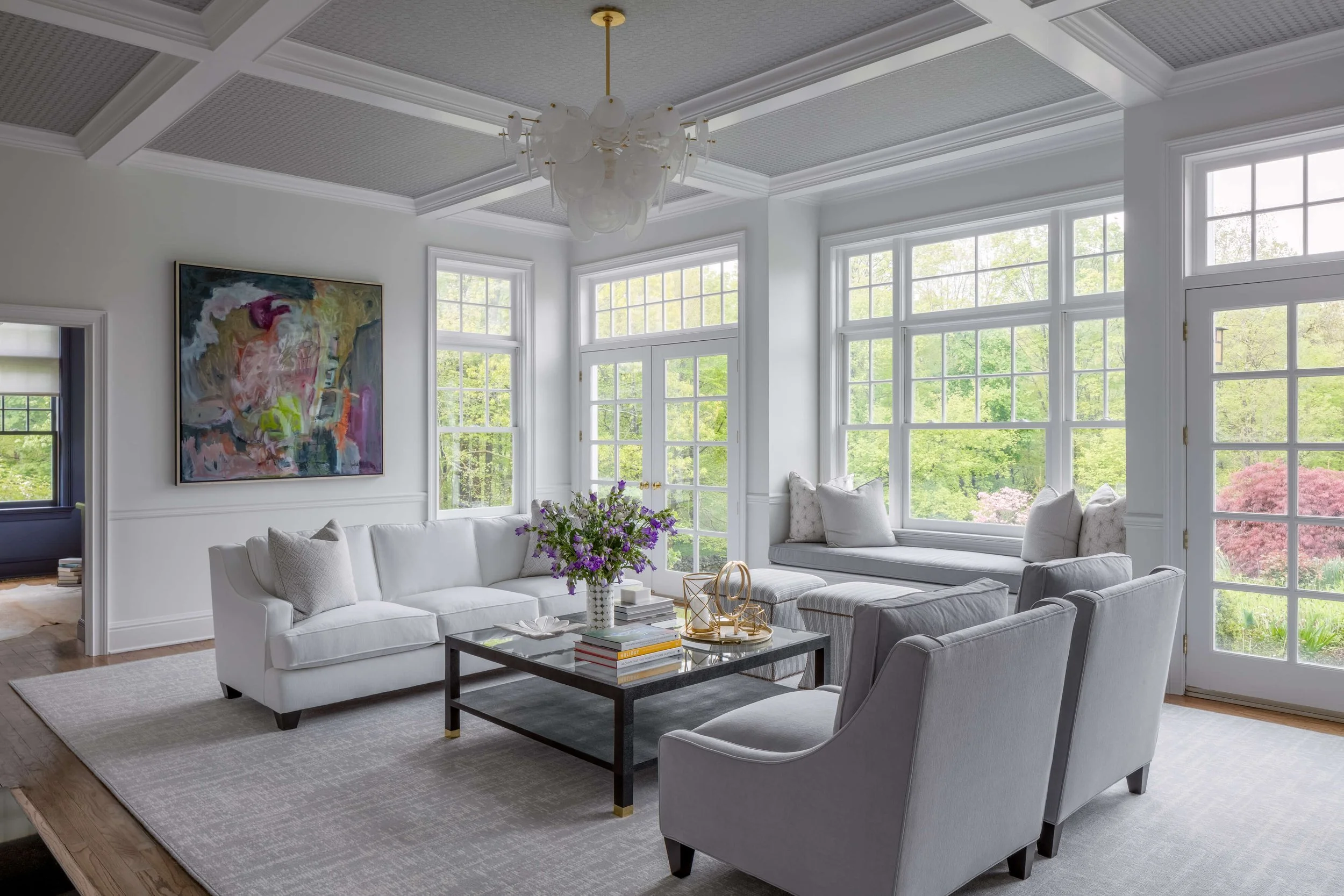
It's how a room feels at eight in the morning when you're still in your robe. It's how it holds a dinner party of twelve — and then holds you, quietly, after everyone leaves. It's how the light moves through it in January. How the scale registers in your body when you walk in. Whether the room is doing the work, or asking you to carry it.
That last part is almost impossible to show on a screen.
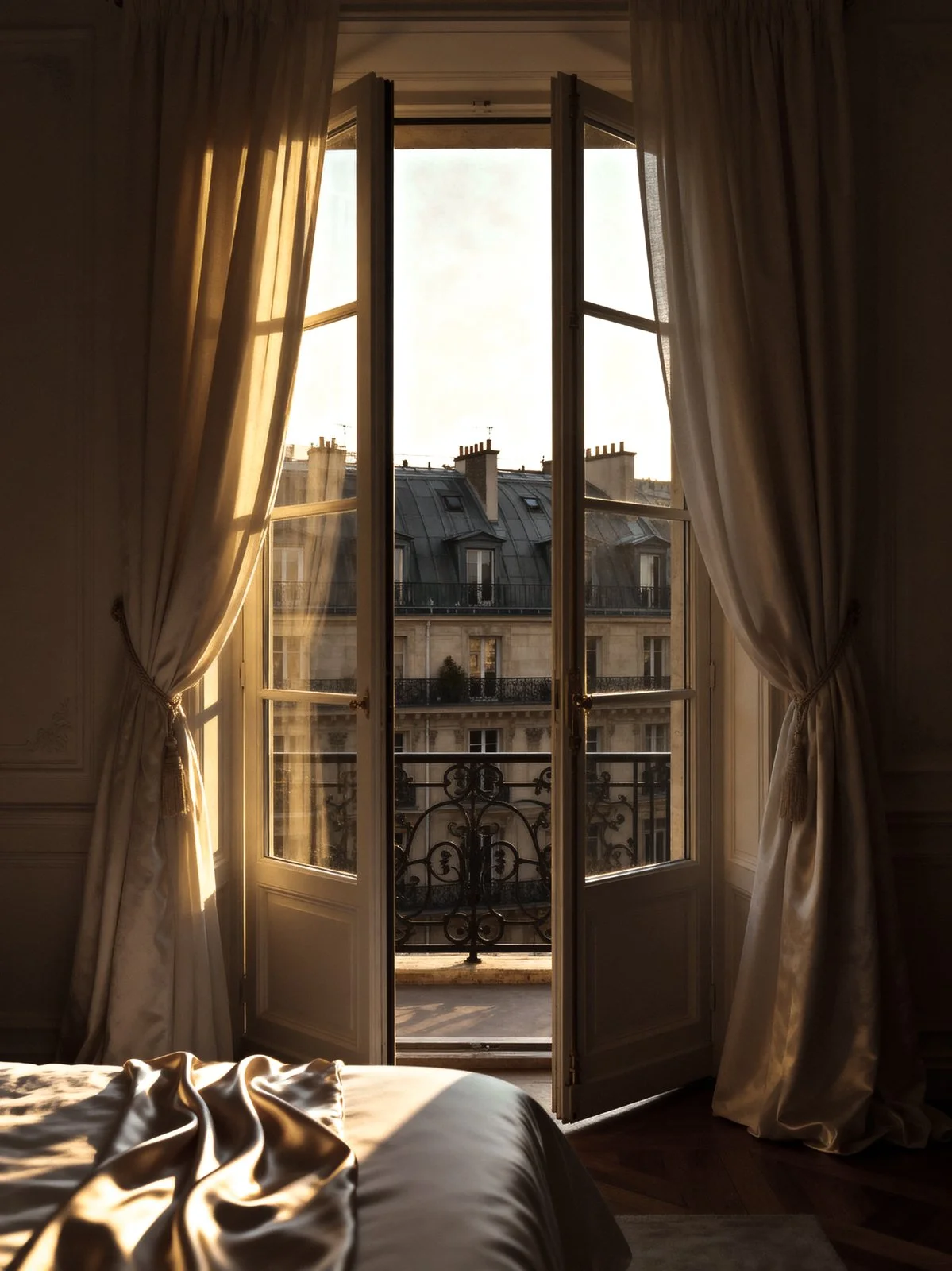
So what gets shown instead:
A paint color. A trend. A "designer secret." A fast opinion delivered with a lot of confidence and a well-chosen filter.
And people follow it. Buy from it. Build rooms around it.
And then wonder why their home still doesn't feel settled.
It's not a taste problem. It's not a budget problem. It's that what they were given was visual guidance — not design thinking.
A room can look stunning in a photo and feel exhausting to live in. A layout can seem fine in a rendering and be quietly wrong every single day. A trend can feel current in October and flat by spring.
Because design is not formulaic. It's contextual.
"A beautiful image is not a design strategy."
It asks different questions than Instagram does.
What is this architecture actually asking for? What does this family — this person — need from this specific room? How should it feel at breakfast? At a dinner you've been planning for weeks? On a Tuesday when no one's coming and you just need it to hold you?
Those questions don't fit in a caption.
But they are the questions that determine whether a home has staying power — or whether it just has good lighting in photos.
There's something else that gets lost when design becomes content.
We start mistaking visibility for expertise. We start confusing confidence for judgment. We start thinking that because something is everywhere, it must be sound.
But good design has never been about the loudest voice in the room.
It's about knowing what belongs. What works. What lasts. And often — what to leave out entirely.
The things that make a home genuinely beautiful in real life are rarely flashy.
“Proportion. Restraint. Flow. The way one room leads to the next. The sense that everything is in conversation with everything else. A space that supports your life rather than performing for an audience.”
That kind of beauty doesn't come from chasing what photographs well. It comes from someone who knows how to think — not just how to style.
So no, I don't think all design content is bad. There's plenty worth your time.
But something real does get lost when design is constantly flattened into content.
And home is too personal — and too important — to lose that.
A beautiful image is not a design strategy.
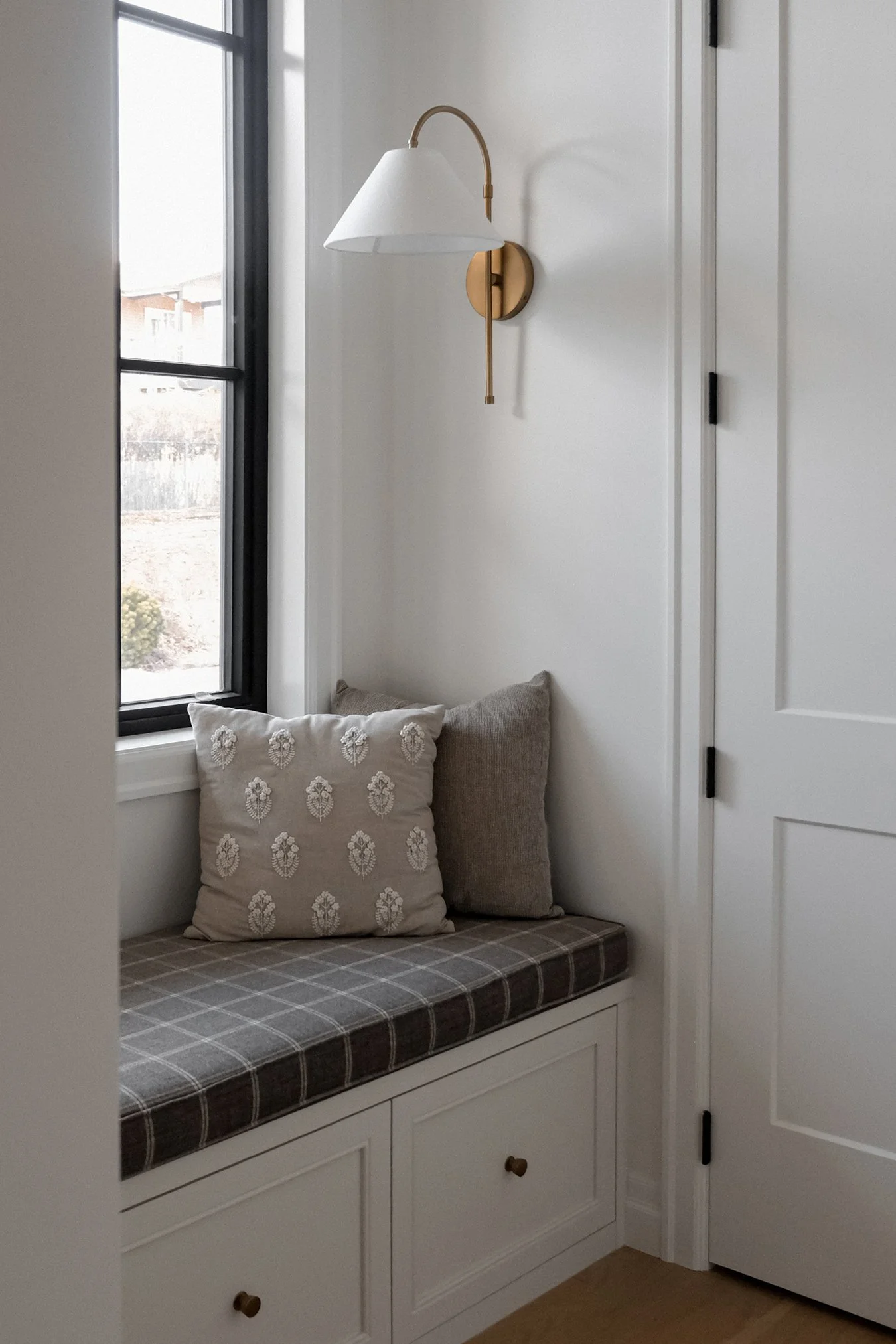
Your home is not a mood board. It is not a collection of well-curated moments. It is where your actual life happens.
And the homes that hold up — the ones with real ease, real soul, real staying power — are built on something that never once made the algorithm happy.
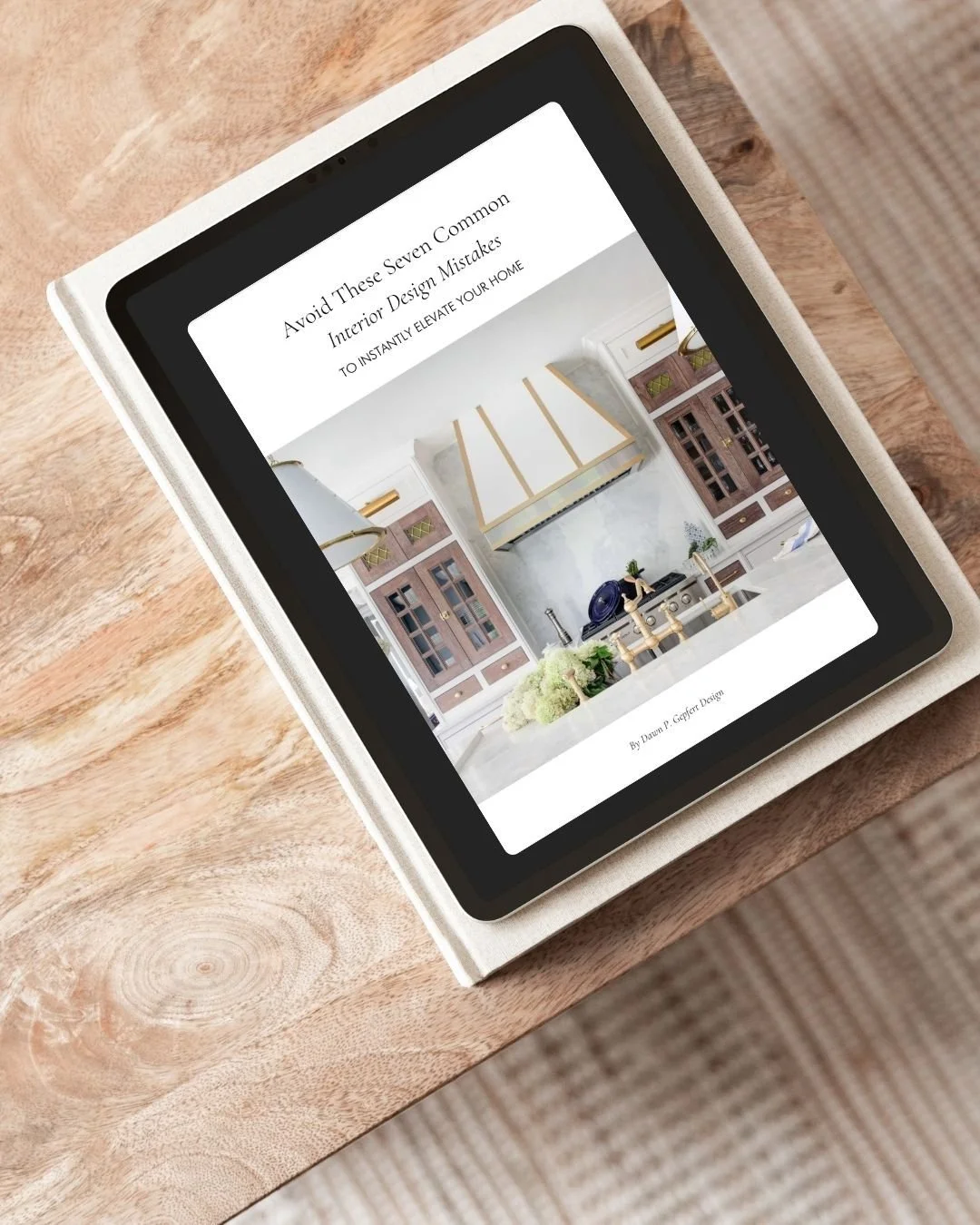
Get our free copy of ”Avoid These Seven Common Interior Design Mistakes, to Instantly Elevate Your Home”