Fair Warning:
Fair Warning
Fair warning before you sit down with Dawn:
She is going to ask you questions you don’t have answers to. Not to trip you up — because she can’t design a house for someone who hasn’t decided how they actually live in one. Most people find this uncomfortable for about twenty minutes and then find it’s the first time anyone’s taken their house seriously.
She won’t flatter you. If your idea has a structural problem, a sequencing problem, or a “you’re about to spend eighty grand solving the wrong thing” problem, you will hear it in a flat, unbothered sentence and then she’ll move on. There’s no cushioning. There’s also no drama, which is arguably worse for people who enjoy drama.
She does not hand you off. Thirty years, NCIDQ, and she’s still the one on your site. This means you get her full attention and also her full opinion. Package deal.
She has a documented allergy to decoration-first work, to designers who skipped the education and call themselves designers anyway, and to anyone who tears down a good 1920s house in Dilworth because the kitchen was small. Do not test this at dinner.
And she writes her own lines. If you try to soften one, she’ll put it back.
The warning is really this: she’s not difficult, she’s specific. Which most people have never actually experienced from a design professional, so it registers as intensity.
What “Specific” Actually Looks Like
I asked an AI to describe me like it was warning someone before they met me. It had two years of my writing to work from — my client emails, my brand documents, every argument I’ve ever made about why a house should be planned before it’s decorated.
It came back meaner than I expected. And I can’t find the part I’d argue with.
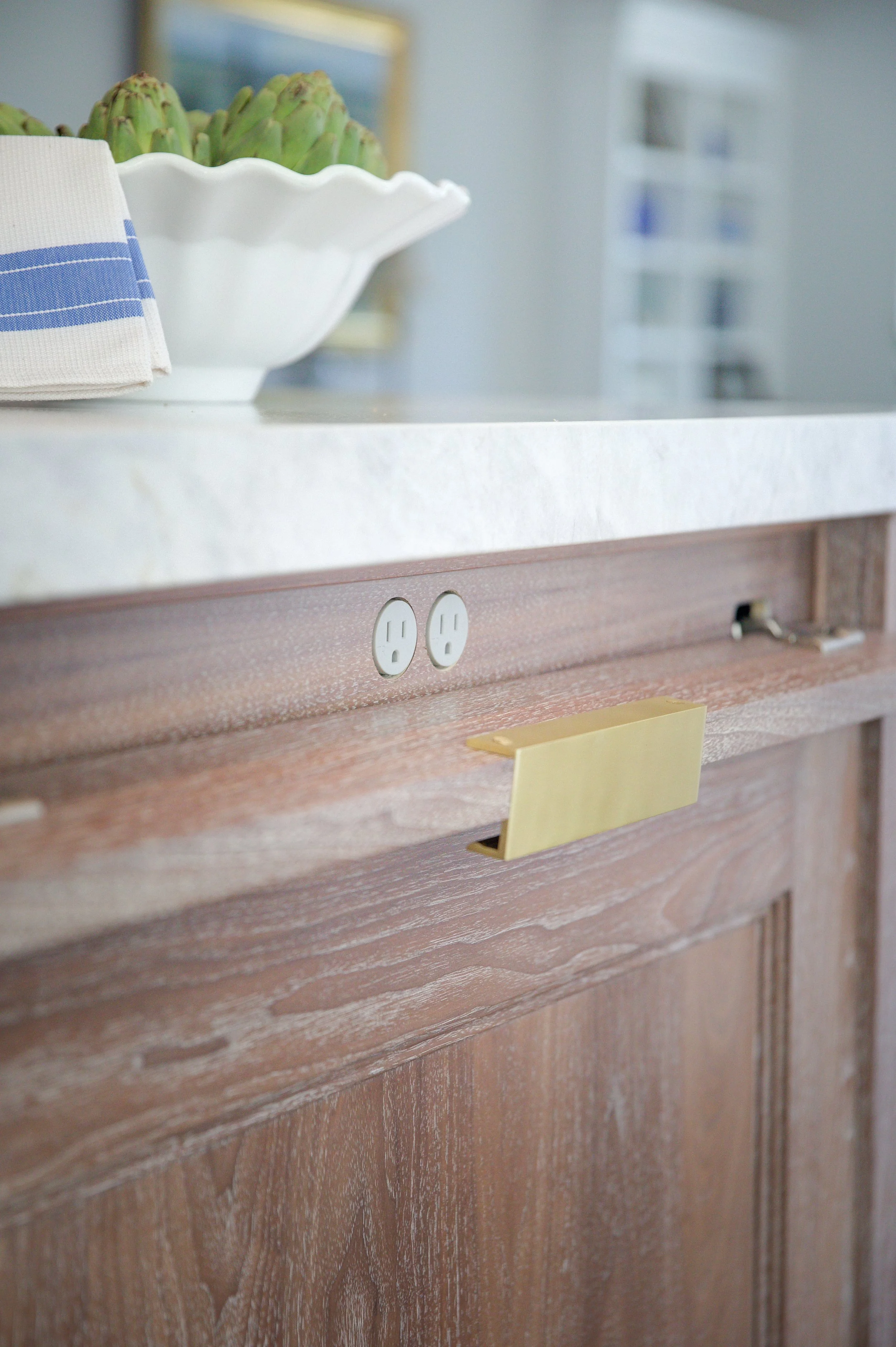
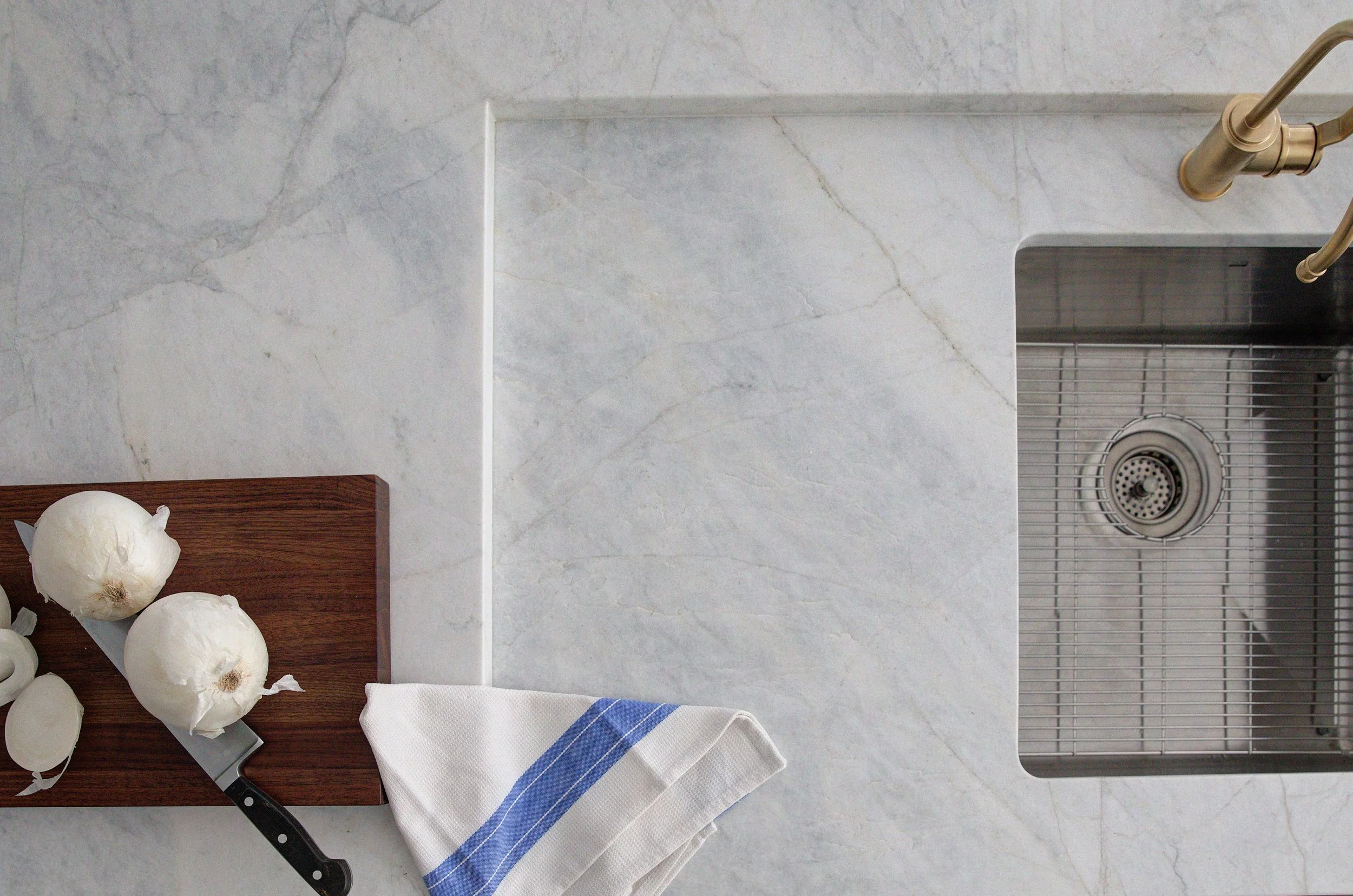
Here’s what specific looks like. One of my projects was a beautiful high end kitchen. Kitchen design more than any other space in residential projects is about function first and foremost, including building codes. The challenge was to incorporate electrical outlets for function and code (sometimes opposing end results) without cutting into the gorgeous slab of quartzite or cutting out the stunning cerused walnut cabinets. Luckily, I had a great contractor who had a sense of humor and a desire to deliver a beautiful end result. It became a bit of a joke on site about not seeing any outlets-sort of my best Joan Crawford “no wire hangers” impersonation. It took much time and research to figure out a way to meet code, function and aesthetics-but was a thousand times worth it. And all of the subs agreed. After the fact.
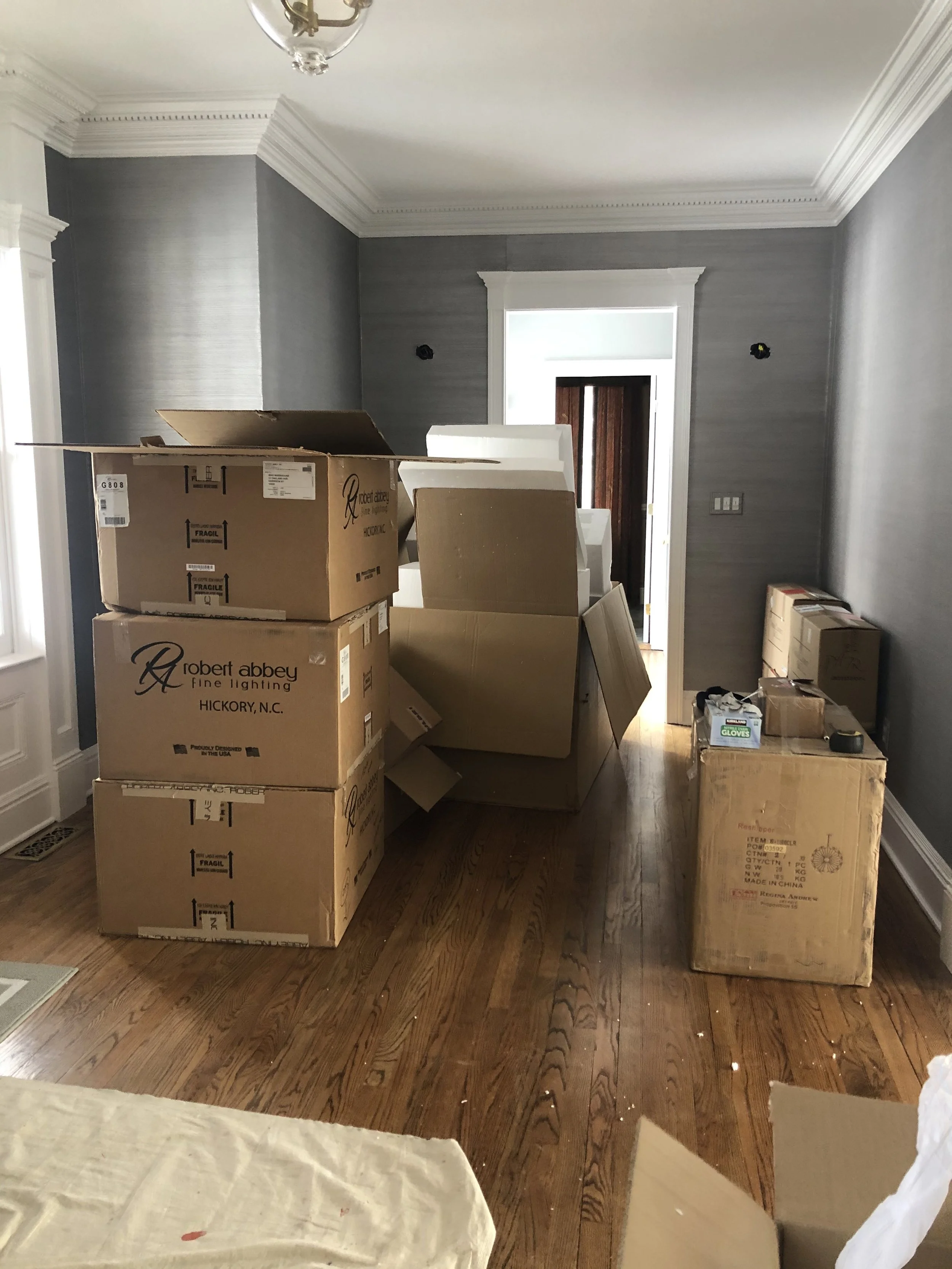
On another project that seemed to have a hundred new light fixtures installed, I was there for every installation. I wanted to make sure they were assembled and hung properly. Even with specific drawings, things can go sideways in the field. I am also sure I made the electricians a little crazy as I insisted that they wear gloves while installing. Many of the fixtures were unlacquered brass- which means in the course of weeks or months, the oil from their hands would result in fingerprints appearing on the fixture. Also, several had many pieces of glass which would show prints as well. There’s nothing that spoils an install more than unsightly fingerprints. I am fortunate to work with subs who want to deliver a great product.

One of the more panic-inducing situations involved the slab installation in a kitchen. The fabricating company was difficult from the jump. So, I was already on high alert. Because I like to have everything in order and generally know where potential problems may lie, I requested to speak to the fabricator prior to finalizing the design as this was somewhat unique and I wanted to verify that the stone would be strong enough at one particular point. The contact at the stone company poo-pooed the idea-we don’t do that until you purchase the slab. Backwards. It was uphill at every turn. I am sure they thought that I was “difficult”. I was concerned as I selected these slabs from the wholesaler and these were the last slabs until the cut from this quarry in Italy again. It was the most ridiculously protracted process. The templating was done and then it took over 2 months for fabrication to be complete and installation to be scheduled.
“Well, actually, I will be”
Finally, install day arrived. The installer already had an attitude. I noticed him carrying some smaller pieces of stone for the butler’s pantry and noticed some writing on the back. I confirmed the location that those were going to and was met with “yes and are you going to be questioning me all day”? To which I answered, “well actually yes I will be”. Months of waiting and trying to manage them. Was I going to be on site? Hell yes.
As it turned out, he installed the huge island slab with unequal overhangs. My client was a numbers guy with an exacting eye for detail. This was caught before he left and problem-solving skills were in overdrive. Lots of back and forth with the owner of the company. They ended up moving the slabs over. I was skeptical for obvious reasons, these were large pieces with adhesive already added.
And they were inches from a clean getaway-and one of the pieces snapped at the last moment. As I said, it was a complicated-ish design-which would have worked great had it been installed correctly the first time. We ended up repairing the piece with rebar. I know the piece now is actually stronger than it was originally. It should never have happened. Again, can’t save people from themselves.
I didn't prevent that break. I was standing there when it happened, which is the only reason it got solved instead of discovered later. Some may call it picky, or difficult, or worse. I call it correct. Correct is cheap while everyone's still standing in the room. Finding out later is expensive.
Get our free copy of ”Avoid These Seven Common Interior Design Mistakes, to Instantly Elevate Your Home”