Open Plan Is Not Always the Answer: What We Lost When We Took Down the Walls
What we traded for flow, light, and the appearance of modern living — and the architectural case for bringing some of it back.
When We Decided Walls Were the Enemy
At some point in the last twenty years, someone decided that walls were the enemy.
I am not entirely sure when it happened. One decade we had rooms — actual rooms, with doors and purpose and the quiet understanding that different activities deserved different environments. The next, we had a single enormous space in which cooking, eating, living, working, helping with homework, watching television, and having a private conversation were all expected to coexist peacefully, separated by nothing more than a change in flooring material and the optimism of whoever drew the plans.
We called it open plan. We called it flow. We called it modern.
What we sometimes forgot to call it was loud.
I have walked into hundreds of new construction homes in the last decade, particularly here in Charlotte where building has been relentless and the floor plans have a certain family resemblance.
Grand entry. Sight line straight through to the back of the house. Kitchen, dining, and living room merged into one ambitious space that photographs beautifully and functions, depending on the family, somewhere between adequately and chaotically.
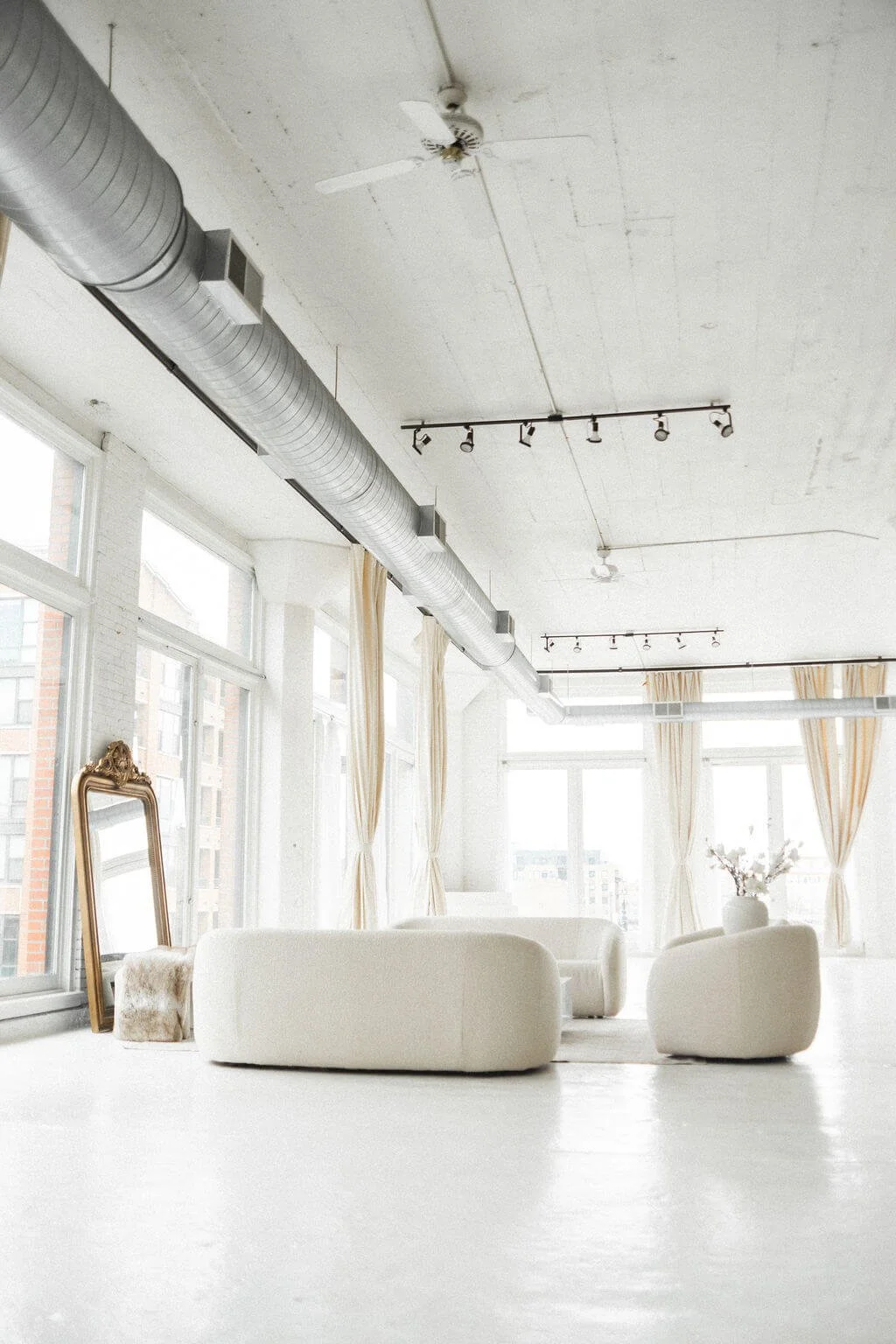
And I understand the appeal. I do. Natural light travels further. The person making dinner is no longer exiled to a separate room while everyone else is having a good time. Smaller square footage feels larger. For certain families, in certain homes, it works beautifully.
What Open Plan Actually Costs
But here is what gets lost in the open plan conversation, which is really a conversation that stopped happening about fifteen years ago because the answer had already been decided: intimacy requires enclosure. Not always. Not completely. But more than we’ve been willing to admit.
A dining room with walls and a door is a different experience than a dining area defined by a pendant light and a rug. Sit in both and you’ll feel it before you can explain it. One holds the conversation.
The other lets it drift toward the kitchen, the television, the dog, the general ambient noise of a household in motion. A room with walls says: this is happening here, and here is where we are, and for now the rest of the house can wait.
The Human Wiring Open Plan Ignores
There is a reason that feeling is not random. Humans are wired to respond to spatial enclosure in specific, predictable ways. Lower ceilings and defined boundaries create feelings of safety, intimacy, and rest. Volume and openness create energy, expansiveness, and occasion.
These are not matters of personal taste — they are principles that have shaped architecture for centuries, long before anyone coined the phrase open concept. When we ignore them in favor of what photographs well, we end up with homes that look right and feel slightly off, and nobody can explain why.
There is also the matter of acoustics, which is the thing nobody mentions in the listing but everyone notices by the third week of living there.
An open plan home with hard surfaces — and they all have hard surfaces, because hard surfaces photograph well — is a remarkably efficient sound distribution system. Every conversation, every notification, every culinary decision made at volume arrives everywhere simultaneously. It is less a home than a very attractive echo chamber.
What Rooms Are Actually For
And then there is the question of what rooms are actually for.
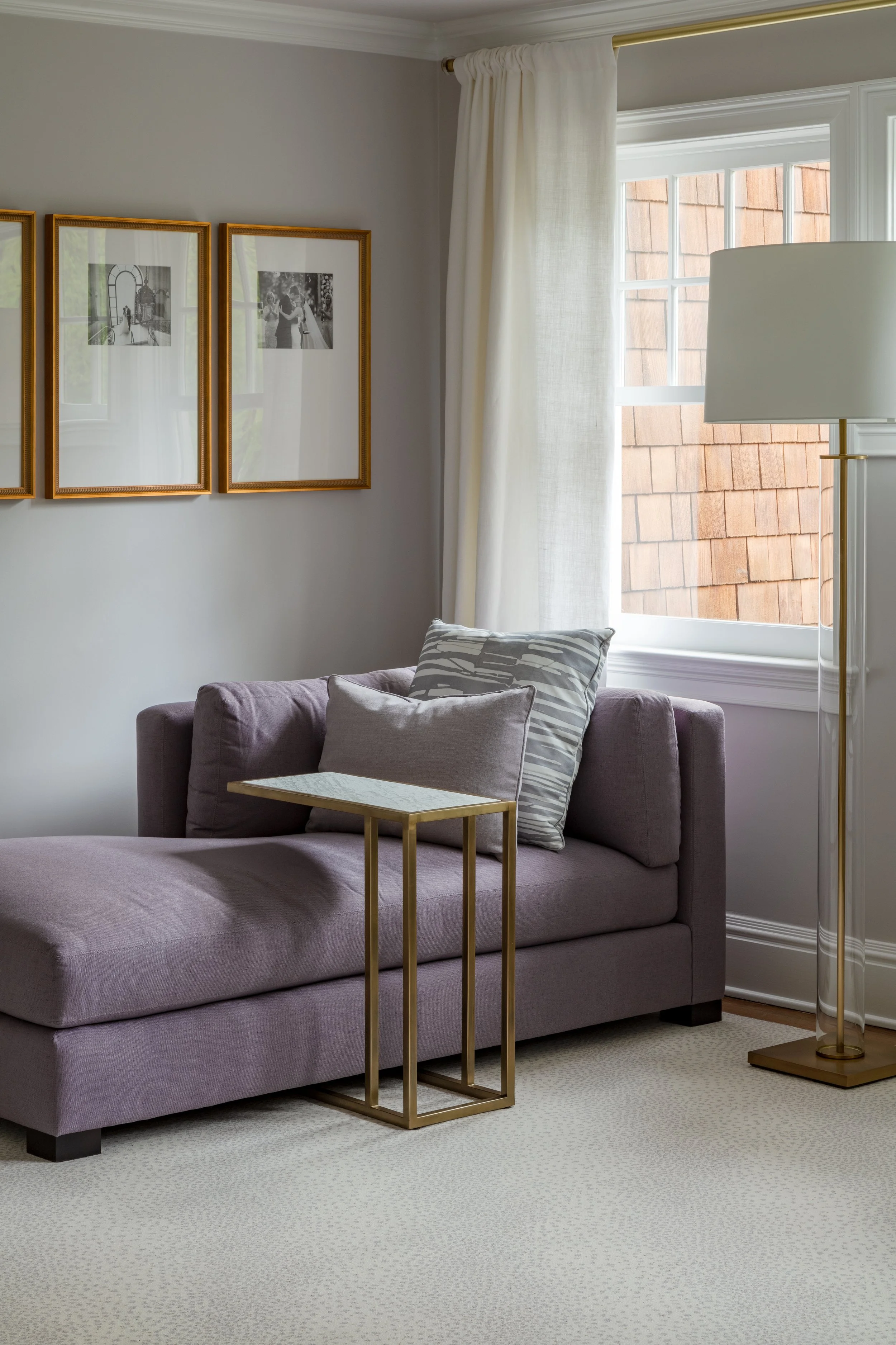
A library should feel like a library. A study should feel like a study. A sitting room that is just for sitting — not for eating or cooking or watching anything — is not a waste of space. It is a gift.
It is the room you retreat to when the rest of the house is in full operation and you need a place that is quiet and purposeful and yours. Those rooms require walls. They require the architectural commitment that says: this space has an intention, and the intention is not everything.
Frank Lloyd Wright and the Architecture of Contrast
I am not arguing for a return to the chopped-up floor plans of the 1970s, where every room was a separate event and the kitchen was a closet with a stove.
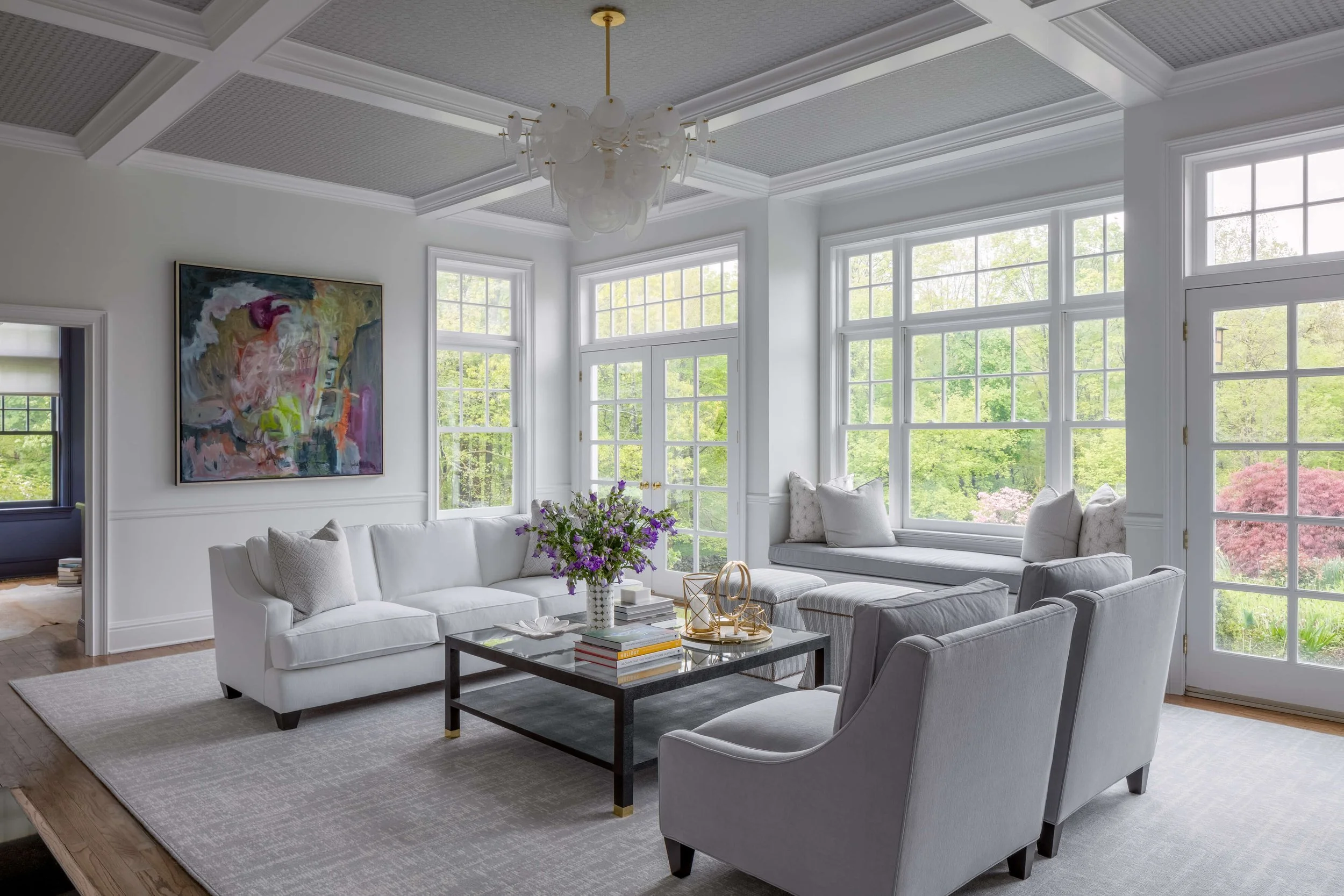
There is a version of connected, flowing space that is genuinely beautiful and genuinely livable. The best homes I have worked on have both — spaces that open to each other where it makes sense, and spaces that close off when they need to. Rooms that know what they are.
Frank Lloyd Wright understood this better than almost anyone. He used compression and contrast as deliberate architectural tools — moving occupants through a low, intimate entry before releasing them into a soaring, light-filled living space. The openness lands differently because the enclosure came first.
Space only registers against other space. Expansiveness needs something to expand from. A home where every room has twenty-foot ceilings has, effectively, no twenty-foot ceilings — because there is nothing smaller to measure them against. Contrast is not a stylistic choice. It is how spatial experience works.
The Question Worth Asking Before the Wall Comes Down
The question worth asking before you take down that wall — or before you sign off on a plan that already has — is not whether it will look more open. It will.
The question is what you are trading for that openness. What disappears when the wall comes down. What your life actually needs that a floor plan optimized for a listing photo may not have thought to ask about.
Not every wall that comes down should come down.
Some of them were doing something.
The right questions first. The right space follows.
Get our free copy of ”Avoid These Seven Common Interior Design Mistakes, to Instantly Elevate Your Home”