The Room That Almost Worked
Why Decorated Spaces Feel Different From Those That Are Designed

The Rooms That Interest Me Most
There is a particular kind of room that stops me every time.
Not the disastrous ones — those are easy. Anyone can see what’s wrong with a room that never had a chance. I mean the ones that almost worked. The ones where someone tried, and spent real money, and made considered choices, and still ended up with a space that feels like it’s missing something nobody can quite put their finger on.
Those are the rooms that interest me most. And in thirty years, I have walked into enough of them to know that “almost” is not random. There is always a reason.
It is usually not the thing everyone is looking at.
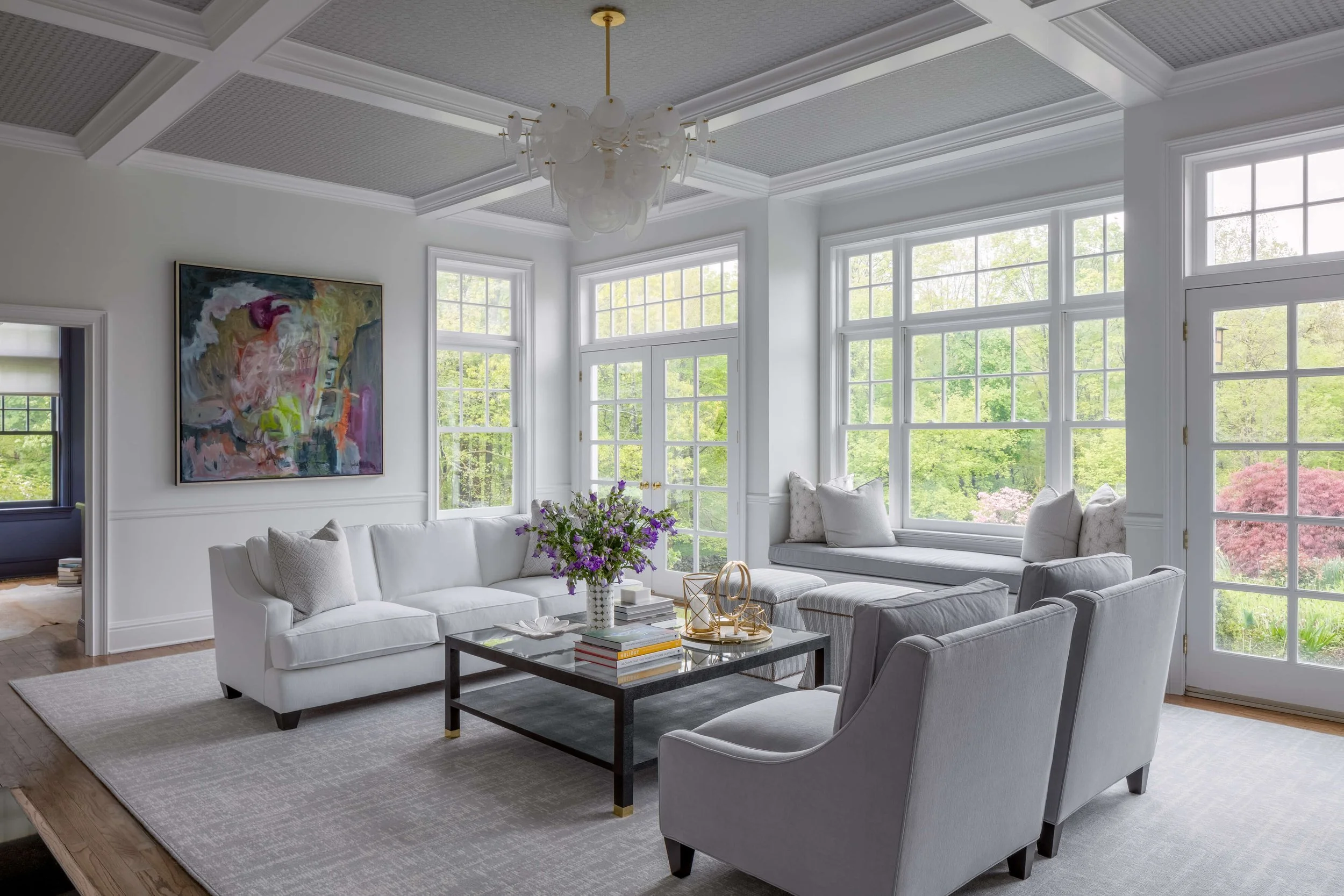
The sofa is fine. The rug is beautiful. The art was chosen carefully and hung at the right height. And yet the room doesn’t hold you. You sit in it when you have to and drift toward the kitchen when you don’t. Guests end up clustered in the hallway without quite knowing why. The room is present and accounted for, and somehow it still isn’t doing its job.
Decorated vs. Designed: Why the Distinction Matters
Here is what I have learned to look for: the thing that’s wrong is almost never a single object. It’s a relationship. Scale to architecture. Light to material. Furniture arrangement to how people actually move through a space. The room was decorated — meaning things were chosen and placed — but it was not designed, meaning nobody asked what the room was supposed to do before deciding what should go in it.
That distinction matters more than most people realize.
What Thirty Years Teaches You to See
A decorated room starts with objects. A designed room starts with questions. How does the light move through here in the morning versus the evening? Where do people naturally want to sit and why is the furniture fighting that instinct? What is the architecture actually asking for and are we listening to it? What should this room feel like at 7pm on a Tuesday when it’s just you, and what should it feel like at 8pm on a Saturday when it’s full of people you love?
Those questions don’t have obvious answers. But they have specific ones. And the answers change everything — the furniture plan, the material choices, the lighting layers, the scale of what goes on the walls. A room designed around the right questions looks inevitable when it’s finished. You can’t always say why it works. You just know it does.
What Thirty Years Teaches You to See
This is where training and experience do something that instinct and inspiration alone cannot. Knowing that a room feels cold is not the same as knowing why. When I walk into a space that isn’t working, I am not looking at what’s there — I am looking at what’s missing. The layer of light that was never added. The grounding element the furniture arrangement keeps floating without. The architectural feature the room is organized around that isn’t actually strong enough to carry that weight. The ceiling height that needed to be addressed before a single piece of furniture was chosen.
These are not things you find on a mood board. They are things you learn to see — through formal training, through years of built work, through understanding how space and light and human beings interact at a level that goes deeper than aesthetics.
Humans are wired to respond to spatial conditions in specific, predictable ways. Enclosure creates safety and intimacy. Volume creates energy and occasion. The relationship between a ceiling and a floor, between a window and a wall, between one room and the next — these things produce feelings before they produce photographs. When a room almost works but doesn’t quite, it is almost always because something in that wiring has been ignored. Not maliciously. Just unknowingly.
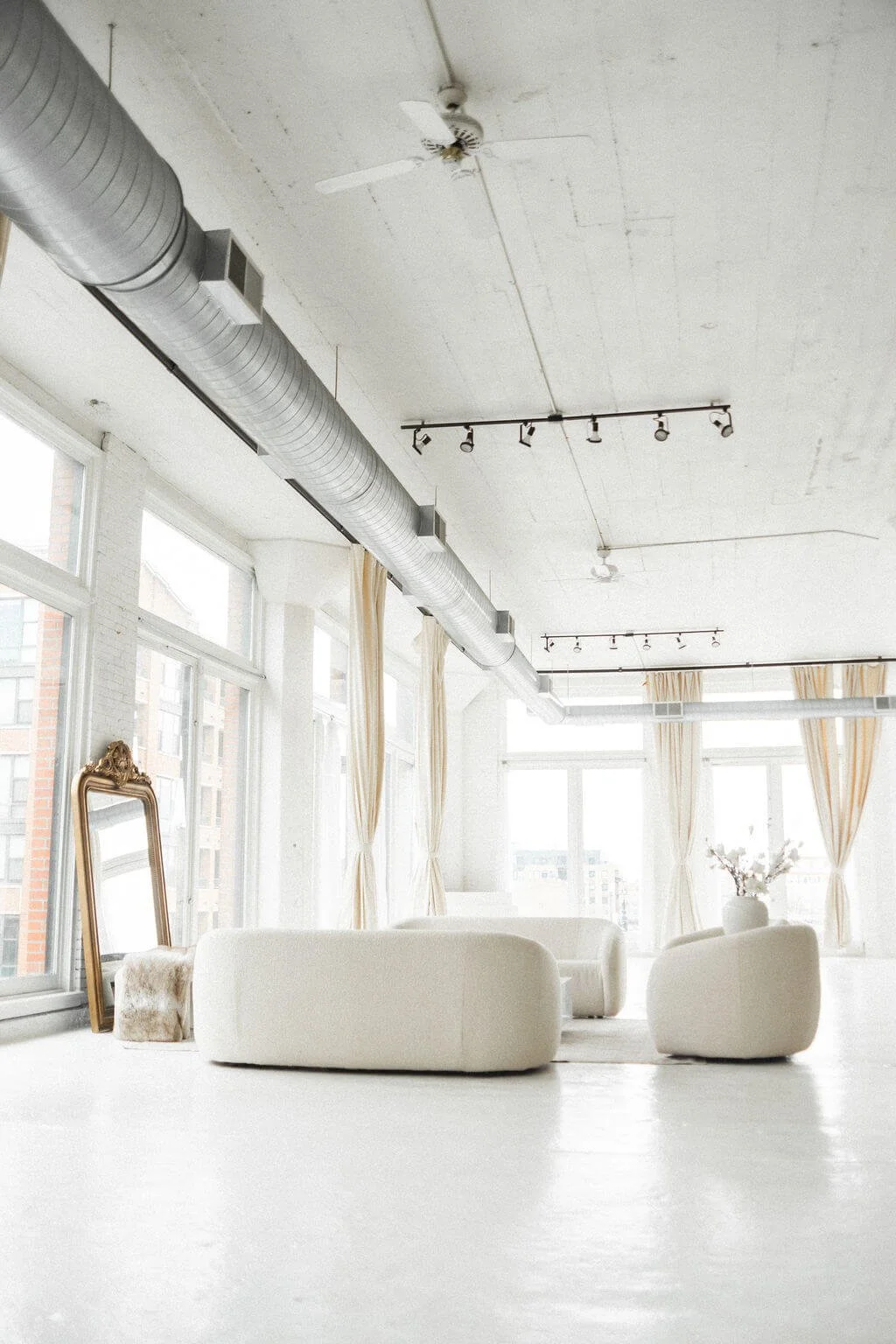
Why the Fix Is Almost Never What It Appears to Be
The fix, when you find it, is usually simpler than expected. One decision that should have come first. One relationship between elements that nobody thought to question. One thing that was optimized for appearance rather than experience.
That is the difference between a room that looks finished and a room that feels done.
The right questions first. The right space follows.
If you have a room that almost works — one that has everything it’s supposed to have and still feels like something is missing — that is exactly the kind of problem a focused consultation is designed to solve. Sometimes the answer is closer than you think. It just needs the right set of eyes.
Get our free copy of ”Avoid These Seven Common Interior Design Mistakes, to Instantly Elevate Your Home”